






When Apples Meet Chocolate: 10 Everyday Food Duos That May Help Your Body Get More Out of What You Eat
expert, nutritionist
You've probably already eaten the right combination without even realizing it. Nutrition science has spent the last two decades quietly confirming what grandmothers seemed to know by instinct: certain everyday foods work better as a team than they do alone. Pairing them the right way can help your body absorb more of what it's already getting from your plate — no supplements, no special shopping list, just a bit of kitchen know-how.
A retired physical therapist who has eaten scrambled eggs with tomato most mornings for the past thirty years put it simply when she once described her routine to a local nutrition workshop: she never planned it as an "anti-aging" breakfast, she just liked the taste — and was surprised to learn years later that the pairing had a name in nutrition circles. Small, unplanned habits like hers are often exactly the kind of thing researchers are now trying to explain.
Here are ten combinations worth knowing about.
1. Tomato + Egg — Antioxidants for Skin That Ages a Little Slower
Fried eggs with onion and tomato are more than a quick breakfast. Tomatoes and onions supply selenium, while eggs fried in a little vegetable oil contribute vitamin E. Selenium and vitamin E are two of the antioxidants dermatologists point to most often when discussing diet and skin aging — a 2022 review in the journal Antioxidants found that the two nutrients appear to work together to help protect skin cells from the oxidative stress linked to premature aging (On the Potential Role of the Antioxidant Couple Vitamin E/Selenium in Skin and Hair Health). Cooking tomatoes also changes their nutrient profile in a useful way, as explained in Food That Is Healthier Cooked Than Raw.
2. Tomato + Olive Oil — Support for Skin Elasticity
The star nutrient here is lycopene, the pigment that gives tomatoes their red color, and it's fat-soluble — meaning it's absorbed far better alongside a source of fat like olive oil. A 2024 review in the Journal of Nutrition and Metabolism describes lycopene as one of the most potent dietary antioxidants and links it to potential benefits for skin, heart, and metabolic health (Lycopene: A Potent Antioxidant with Multiple Health Benefits). Worth knowing: olive oil itself contains quercetin, a compound covered in 11 Foods That Help or Hinder Iron Absorption — a good one if you're also watching your iron intake.
3. Avocado + Spinach — A Combination Worth Considering for Eye Health
Spinach is rich in lutein and vitamin A, while avocado supplies the healthy fats that help the body absorb fat-soluble nutrients like lutein more efficiently. Together, nutritionists often flag this pairing as supportive of long-term eye health, particularly for the retina. For more on how these two work in a broader "green" diet context, see Why Are Nutritionists All Over the World Paying Attention to the Mediterranean Diet, and for more everyday sources of these same nutrients, 7 Types of Vegetables That Heal the Body.
4. Chicken + Carrot — A Simple Boost for Seasonal Immunity
Carrots are one of the richest everyday sources of beta-carotene, which the body converts into vitamin A — a nutrient with a well-documented role in maintaining the immune system's first lines of defense, according to a 2021 review in Frontiers in Nutrition (Functions of Immunity-Building Nutrients). Chicken, meanwhile, is a useful source of zinc, another mineral with a well-studied connection to immune function (Zinc and Immunity: An Essential Interrelation). If colds are already going around your household, see Why Should You Eat This Carrot Mixture Right Now?
5. Beef + a Glass of Red Wine — An Old European Habit With Some Science Behind It
This one comes with a big caveat: alcohol carries its own health risks, and no nutritionist would recommend wine as a "treatment" for anything. That said, red wine's resveratrol content has been studied for a possible role in supporting healthy cholesterol levels and cardiovascular function, as summarized in this review published in Heart Failure Reviews (Resveratrol and Red Wine, Healthy Heart and Longevity). If you already enjoy an occasional glass, moderation is the operative word — see 5 Unusual Weight Loss Tricks That Work for how Foodwhisper frames the "moderate glass" approach.
6. Salmon + Red Wine — A Pairing Some Link to Mood
Salmon is one of the best dietary sources of the omega-3 fats EPA and DHA. Some meta-analyses have found a modest, statistically favorable association between omega-3 intake and mood — a 2019 meta-analysis in Translational Psychiatry reported an overall beneficial effect on depressive symptoms, though the authors themselves note the evidence across trials is mixed and dose-dependent (Efficacy of Omega-3 PUFAs in Depression: A Meta-Analysis). For more on getting omega-3s from food, see Can You Take Omega-3 Fatty Acids If You Have Gout?
7. Yogurt + Flaxseed — A Gentle Combination for Digestion
Yogurt supplies probiotics — live bacteria that support a balanced gut microbiome — while flaxseed contributes fiber and plant lignans that feed those same bacteria. Researchers describe this kind of pairing as "synbiotic": the fiber essentially gives the probiotics something useful to do (study on synbiotic combinations of flaxseed and probiotic bacteria). Half a glass of plain, unsweetened yogurt with a spoonful of ground flaxseed is plenty to start with — for more on what yogurt can and can't do for you, see Does Yogurt Really Work Miracles and Can It Also Harm You?
8. Oatmeal + Apple — A Combination Nutritionists Like for Heart Health
Oats contain beta-glucan, a soluble fiber with one of the better-established health claims in nutrition: the FDA has long recognized that at least 3 grams of oat beta-glucan a day, as part of a diet low in saturated fat, may help support healthy cholesterol levels. Adding a fresh apple brings in flavonoids that some research links to additional cardiovascular support (Bioactive Oat β-Glucan Reduces LDL Cholesterol). More on this in 7 Healthy Carbohydrates You Can Eat Without Worry.
9. Green Tea + Lemon — A Simple Antioxidant Habit
Green tea's catechins, particularly EGCG, have been studied for antioxidant and general immune-supportive properties (Green Tea Catechins: Their Use in Treating and Preventing Infectious Diseases). The European Food Safety Authority has also reviewed green tea catechins for safety, which is worth knowing if you drink it regularly (EFSA Scientific Opinion on Green Tea Catechins). A squeeze of lemon adds vitamin C and makes the tea more pleasant to drink daily — a cup of tea with the juice of half a lemon is a reasonable place to start, sour as that combination is.
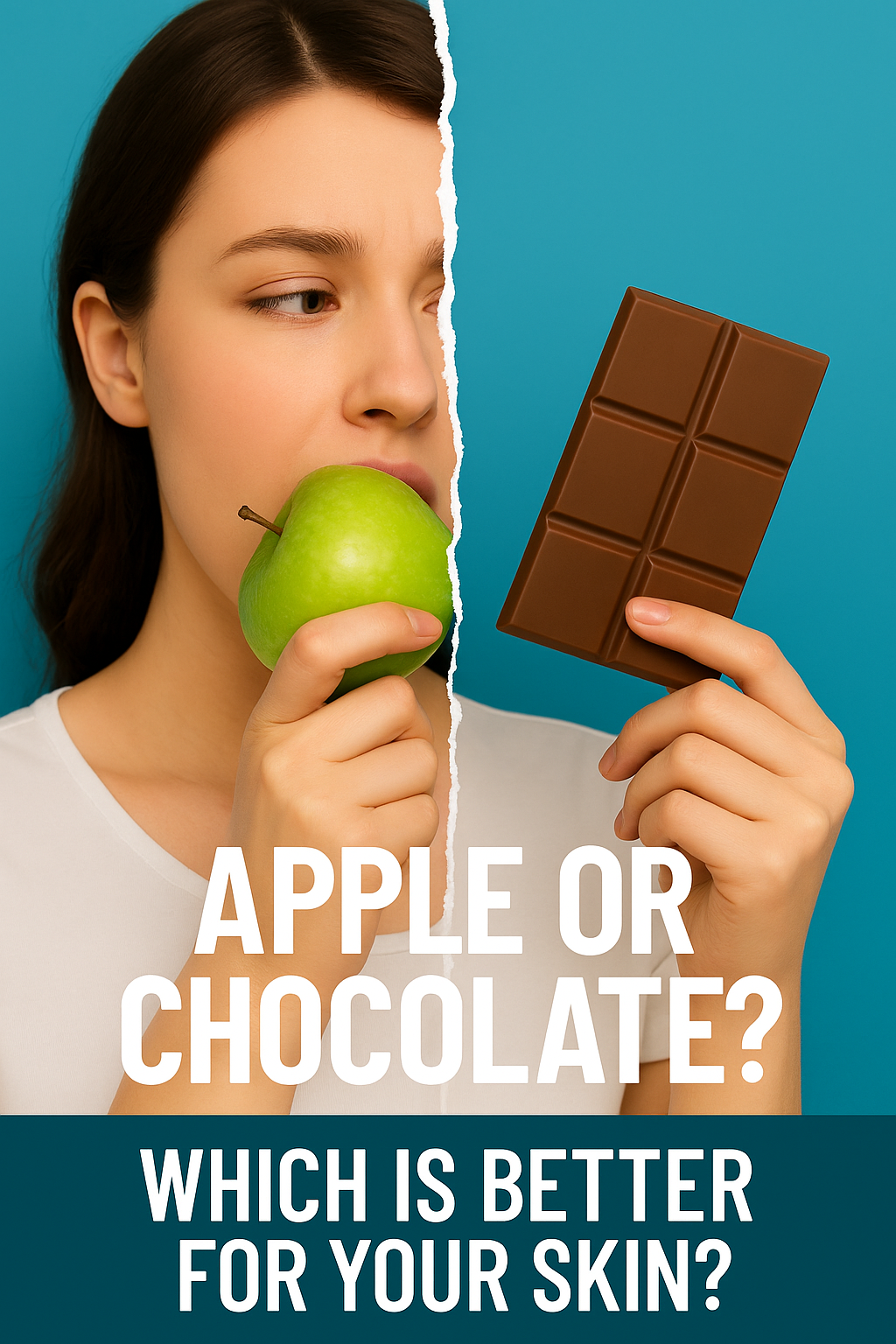
10. Apple + Chocolate — Proof That "Healthy" Doesn't Have to Mean Bland
The quercetin in apple skin has anti-inflammatory properties — a peeled apple has roughly ten times less of it than one eaten with the skin on, according to 4 Mistakes in the Kitchen That Make You Lose Nutrients. Pair that with a square or two of dark chocolate: cocoa flavonoids have been studied for a possible favorable association with cardiovascular health, including a widely cited Harvard School of Public Health systematic review (Chocolate and Prevention of Cardiovascular Disease: A Systematic Review). Keep portions modest — dark chocolate is still calorie-dense — and if you want a fuller take on how chocolate fits into a healthy dessert, see A Dessert That Is Actually a Medicine. Next time, try apples with their skin on, dipped in a warm dark chocolate fondue — most of the fruit's nutrients sit just under the peel.
Information on this website is for educational purposes only and is not medical advice.
expert, nutritionist
 Would you like to be informed about news on the website?













|

