




3 Ingredients, 1 Smoothie: Why Nutritionists Keep Coming Back to This Morning Blend of Blueberries, Carrots and Apple
expert, nutritionist
Three ingredients. One blender. Five minutes. That's really all it takes to make one of the simplest, most talked-about morning drinks in the wellness world right now — and the reason people stick with it isn't hype, it's how good it makes an ordinary weekday morning feel.
One of our readers described it best: after two weeks of starting her mornings with this exact combination, she noticed she wasn't reaching for a mid-morning coffee refill anymore, and her usual afternoon energy dip seemed to arrive later — and softer — than before. She's not alone; variations of this blueberry-carrot-apple blend show up again and again in reader comments and nutrition forums as a low-effort habit that people say actually sticks.
The Recipe
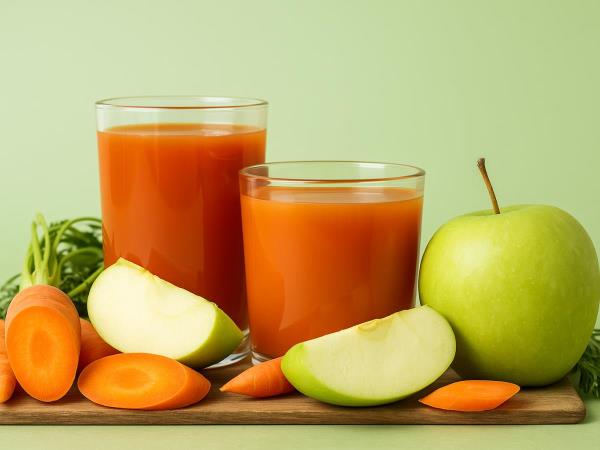
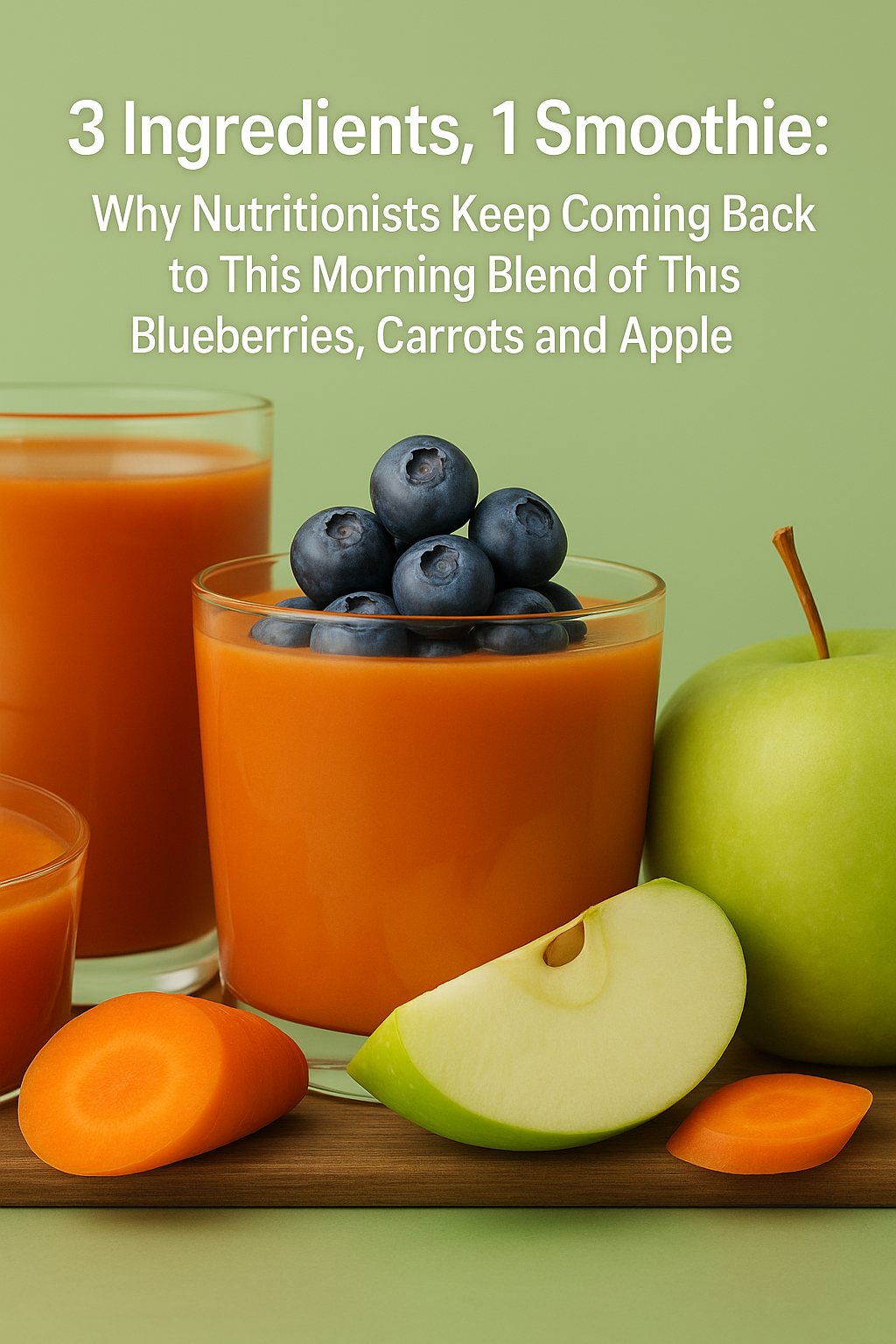
This could not be simpler to put together:
- A handful of blueberries (frozen works fine, and so does home-preserved compote)
- 2 carrots
- 1 apple, unpeeled — just wash it thoroughly first to remove surface residue
Preparation:
Add all the ingredients to a blender. (If you're using frozen blueberries, take them out the night before so they're back to room temperature by morning — a very cold smoothie first thing isn't the most comfortable way to start the day.) Blend until smooth and drink on an empty stomach, ideally at room temperature rather than icy cold.
Why Carrots Earn Their Spot in This Blend
Carrots are one of the most nutrient-dense vegetables you can put in a blender, and their reputation for supporting eye health isn't just folklore — it comes down to their beta-carotene content, which the body converts into vitamin A. According to a detailed overview from All About Vision, vitamin A may help protect the cornea, support the eyes' natural defenses against bacteria and viruses, and ease symptoms of dry eye — though it's worth noting that most people already get enough vitamin A through a normal diet, and severe deficiency (where the clearest benefits show up) is rare.
We've covered carrots in much more depth before — including whether it's possible to overdo it in Can Eating Too Many Carrots Actually Be Bad for You?, and how preparation method changes their nutritional profile in Did You Know Some Vegetables Are Healthier Cooked Than Raw? — both worth a read if you want the full picture.
The Case for Blueberries
You don't need a lab to guess that blueberries are packed with antioxidants — that deep purple color is basically nature's label. The pigments responsible, called anthocyanins, are the subject of a steadily growing pile of research. A 2024 review covered by Medical News Today points to studies linking regular blueberry consumption with modestly lower blood pressure in some populations, alongside research suggesting blueberries and cranberries together may help support healthier fasting blood sugar levels in people managing diabetes. Tufts University's Health & Nutrition Letter similarly reported on a clinical trial in which postmenopausal women who consumed the equivalent of about a cup of blueberries a day for eight weeks saw measurable improvements in blood pressure and artery flexibility.
It's important to be clear here: this is "may help as part of an overall healthy diet" territory, not a replacement for medication or medical care — but it's a genuinely encouraging body of evidence for such an easy habit to build. We go deeper on this in How Blueberries Went From "Superfood" to Something Closer to a Miracle Ingredient.
And Then There's the Apple
Don't peel it. That's really the main takeaway here — most of an apple's fiber, including a compound called pectin, is concentrated in and just under the skin. According to Healthline's breakdown of apple pectin research, this soluble fiber acts as a prebiotic that feeds beneficial gut bacteria, and has been linked in early studies to improved feelings of fullness, more balanced blood sugar response, and support for healthy cholesterol levels. Some research reviewed in the same piece also associates pectin with easing both constipation and diarrhea, since it forms a gel that helps normalize stool consistency.
Put Together, What Does This Blend Actually Offer?
None of these three ingredients is a miracle food on its own, and no single smoothie is going to replace a balanced diet or medical treatment — that's worth saying plainly. But stacked together, you're getting a genuinely nutrient-dense combination: antioxidant-rich anthocyanins from the blueberries, beta-carotene and fiber from the carrots, and prebiotic pectin plus vitamin C from the unpeeled apple. Early research on these individual ingredients points toward possible support for heart health, digestion, blood sugar stability and general antioxidant intake — reasons enough for many people to make this their regular morning ritual.
Try it consistently for three or four mornings and pay attention to how you feel — many readers report noticing a difference in energy and digestion within just a few days. As always, if you have a health condition or take medication, it's worth checking with your doctor before making major changes to your diet.
Information on this website is for educational purposes only and is not medical advice.
expert, nutritionist
 Would you like to be informed about news on the website?













|

