





The Egg-Free Mayonnaise Hack That's Quietly Taking Over Home Kitchens
expert, nutritionist
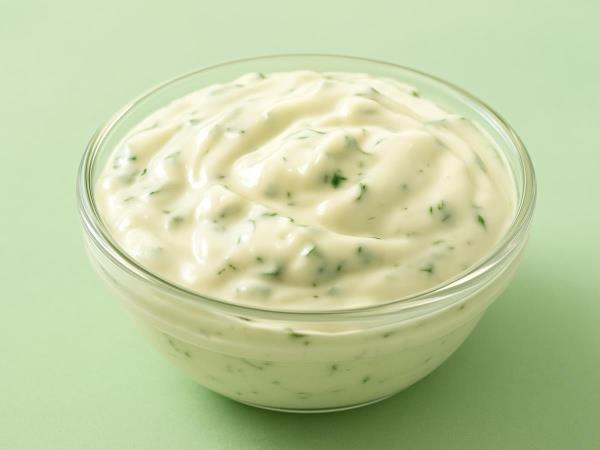
Forget everything you think you know about mayonnaise. The world's most popular condiment is usually built on raw eggs, a long shelf-life additive list, and — if you read the fine print on a store-bought jar — flavorings and preservatives that plenty of nutritionists would rather you skip. There's a simpler way, and it starts with an ingredient more commonly found in smoothies and baking than in salad dressing: ground flaxseed.
One Home Cook's "Why Didn't I Try This Sooner" Moment
A reader who shared her experience in a plant-based cooking forum described swapping her usual jarred mayonnaise for a flaxseed-based version after a family member was told to cut back on processed foods. "I was skeptical it would even emulsify," she wrote, "but after the first batch, I haven't bought a jar since — my sandwiches taste fresher, and I actually know what's in the bowl." Her experience echoes a broader trend: as more people scrutinize ingredient labels, egg-free, flaxseed-based mayonnaise has become one of the more popular swaps in home kitchens experimenting with whole-food alternatives.
Why People Are Rethinking Store-Bought Mayonnaise
Mayonnaise is used in a thousand different ways around the world — as a sandwich spread, a salad binder, a dip, even a marinade base. But many nutritionists point out that supermarket versions often lean on artificial flavorings, preservatives, and stabilizing agents to keep the product shelf-stable for months. That's one reason a growing number of home cooks are opting to make their own mayonnaise from scratch, where every ingredient is one they chose themselves.
For those who want to go a step further, there's a version that skips eggs entirely and uses ground flaxseed instead. Flaxseed brings its own nutritional resume to the table: it's naturally rich in omega-3 fatty acids, along with vitamin E, potassium, magnesium, manganese, and a range of antioxidants and amino acids — all wrapped into a tiny seed that's been part of human diets for thousands of years.
What the Research Says About Flaxseed
Flaxseed's reputation isn't just kitchen folklore. According to a nutrition overview published by the Mayo Clinic, flaxseed and flaxseed oil are among the richest sources of alpha-linolenic acid (ALA), a plant-based omega-3 fatty acid, and research links omega-3 intake to heart health. A review published in the peer-reviewed journal Nutrients and archived on the National Library of Medicine notes that flaxseed is also one of the best dietary sources of lignans — plant compounds with antioxidant properties — alongside fiber, vitamins, and minerals.
According to a nutrition breakdown from Healthline, a single tablespoon of ground flaxseed contains meaningful amounts of thiamine, copper, manganese, and magnesium, along with roughly 2 grams of fiber. It's worth noting that most of this research is preliminary or based on small studies — flaxseed is a nutritious addition to a balanced diet, but it isn't a treatment for any medical condition, and anyone with specific health concerns should check with a doctor or registered dietitian before making major dietary changes.
Six Ingredients, No Eggs
The beauty of this recipe is its simplicity. There's no raw egg to worry about, no hard-to-find ingredients, and no need for a stand mixer — just a blender or immersion blender and a few minutes of patience.
Ingredients:
- 2 tablespoons flaxseed meal (ground flaxseed)
- 60 ml (¼ cup) water
- 125 ml (½ cup) neutral vegetable oil
- 2 tablespoons mustard
- Juice of half a lemon
- Salt, sugar, turmeric, and saffron, all to taste (optional)
If you can't find pre-ground flaxseed meal, whole flaxseeds can be ground in a coffee or spice grinder in seconds.
Instructions:
- Mix the flaxseed meal with the water in a small saucepan and warm gently over low heat, stirring constantly, until the mixture thickens into a paste.
- Remove from the heat and let it cool completely to room temperature — adding warm flax paste to oil can cause the mixture to separate instead of emulsifying.
- Transfer the cooled paste to a blender. Add the salt and, if using, a little sugar.
- With the blender running on low, slowly drizzle in the vegetable oil in a thin, steady stream until the mixture thickens and turns creamy — this is the same slow-emulsification technique used in classic mayonnaise recipes.
- Add the lemon juice and mustard, and blend briefly to combine.
The finished mayonnaise will be a shade darker than the store-bought version, but a small pinch of turmeric solves that cosmetically while adding a subtle, golden warmth to the flavor.
Store-Bought vs. Homemade: What's the Real Difference?
Homemade flaxseed mayonnaise won't have the multi-month shelf life of a supermarket jar, which relies on preservatives to stay stable at room temperature before opening. What it offers instead is full control over the ingredient list — no artificial flavorings, no added stabilizers, and no eggs, which makes it a useful option for people managing an egg allergy or following a plant-based diet. As with any homemade, preservative-free condiment, it should be kept refrigerated and used within about a week.
Ways to Use It
This mayonnaise works anywhere the classic version would: spread on sandwiches, stirred into potato or egg salad, thinned slightly as a dip for raw vegetables, or used as the creamy base for a homemade salad dressing. Because the flavor is slightly nuttier than traditional mayonnaise, it also pairs particularly well with roasted vegetables and grain bowls.
Information on this website is for educational purposes only and is not medical advice.
expert, nutritionist
 Would you like to be informed about news on the website?













|

