





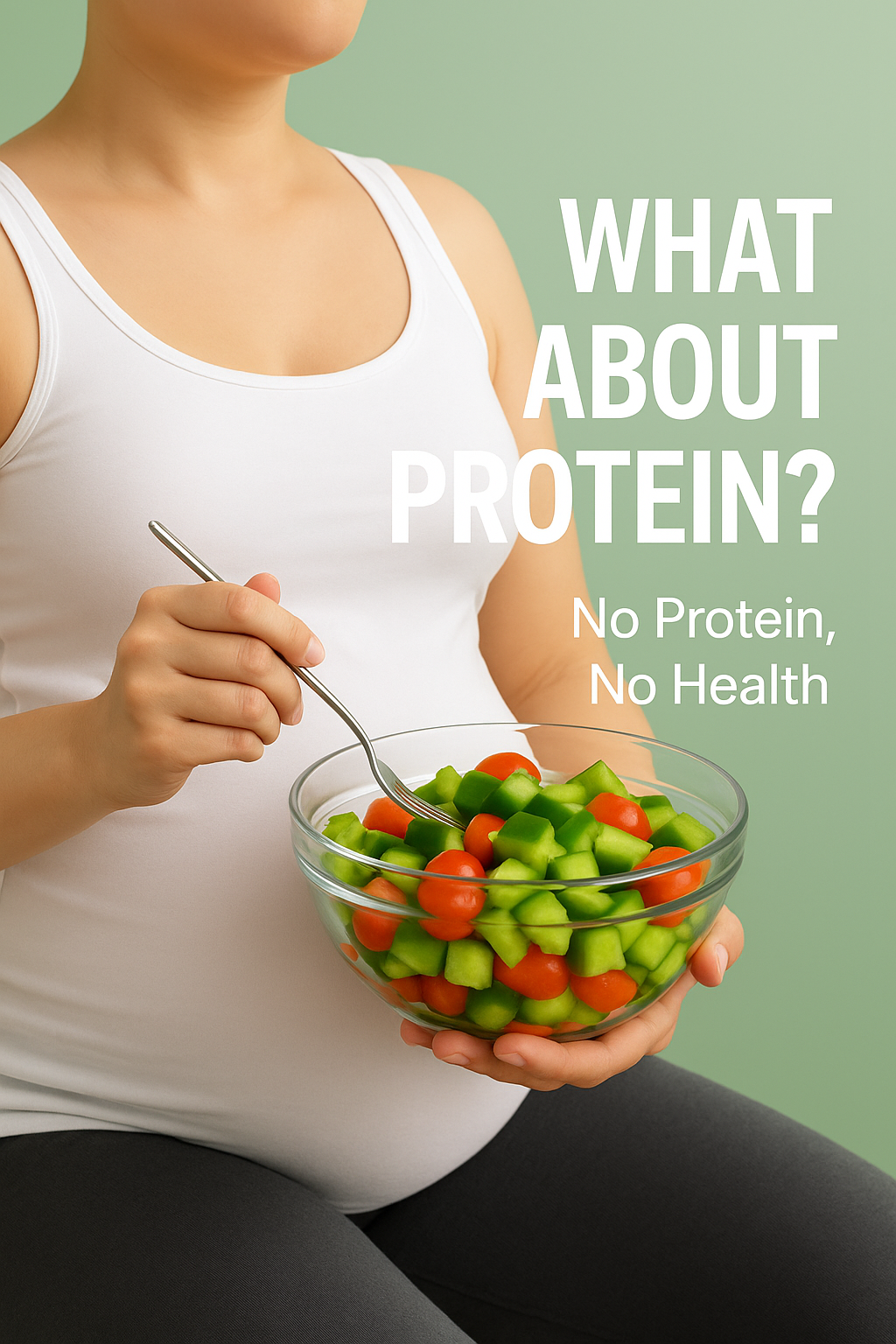


No Protein, No Health: Why This Nutrient Is Essential for Every Cell in Your Body
expert, nutritionist
Ask a nutritionist which single nutrient they'd never let you skip, and protein usually tops the list. The word itself comes from the Greek "protos" — "first" or "most important." That's not a marketing slogan; it's a fairly accurate description of what protein does inside your body. It isn't just fuel for gym-goers chasing bigger muscles. It's the literal building material of nearly every cell you have.
When intake falls short, the signs tend to show up quietly at first: slower wound healing, a dip in immune resilience, gradual muscle loss, even trouble concentrating. So it's worth understanding how much you actually need, where to get it, and whether it matters if it comes from meat, fish, or plants.
Even elite athletes who are constantly asked about their diets circle back to the same basics. Dwayne "The Rock" Johnson, for instance, has spoken publicly about structuring his day around frequent protein-rich meals — lean meats, fish, eggs, and complex carbohydrates like sweet potatoes — to support recovery from his training. Whether or not your own goals involve a gym at all, the underlying principle he's describing is one that applies to pretty much everyone: consistent protein intake throughout the day supports recovery and steady energy.
Why Your Body Needs Protein Every Single Day
Think of protein as the bricks in a house that's constantly being rebuilt. Every day, your body uses it to repair muscle, skin, hormones, and enzymes (the natural catalysts behind countless reactions in your body). Unlike fat, protein isn't something your body stockpiles for later — there's no real "reserve tank." That's precisely why regular intake matters, and not only for athletes.
According to dietary reference values published by the European Food Safety Authority (EFSA), healthy adults should aim for around 0.83 grams of protein per kilogram of body weight per day, a figure broadly consistent with the commonly cited 0.8–1.2 g/kg range. For a 70-kilogram adult, that works out to roughly 58–80 grams a day. People who train intensively often need meaningfully more — up to around 1.4–2.0 g/kg, according to sports dietitians who work with elite athletes.
Research consistently links adequate protein intake to better preservation of lean muscle mass, particularly during periods of calorie restriction or aging — one of the reasons it's treated as a nutritional priority rather than an optional extra. As always, individual needs vary with age, activity level, and health status, so this is general guidance rather than a personal prescription.
Animal vs. Plant Protein: Which Is Actually Better?
Protein comes from a wide range of foods. The most familiar sources are meat (chicken, turkey, beef), along with fish, eggs, and dairy. These are often called "complete" proteins because they contain all the amino acids your body needs. Amino acids are essentially the building blocks — like small Lego pieces — that your body assembles into protein.
There are 20 amino acids in total, and nine of them are classified as essential, meaning your body can't produce them on its own: histidine, isoleucine, leucine, lysine, methionine, phenylalanine, threonine, tryptophan, and valine. Without a dietary source, your body simply can't build everything it needs. (For a full breakdown of what each one does, the Cleveland Clinic's overview of amino acids is a solid reference.)
Plant proteins — beans, lentils, peas, nuts, seeds — are genuinely rich sources, but individually they're often missing one or two amino acids. That's why combining them matters: rice with lentils, or corn with beans, for example. This isn't a modern discovery — ancient food cultures figured it out through trial and error. Indian cuisine has long paired lentils with rice; Mexican cuisine, beans with tortillas.
What does the science say about mixing sources? A large pooled analysis covering more than 715,000 people across 32 studies found that people who ate more plant protein had measurably lower rates of heart disease and lower overall mortality risk than those who leaned heavily on other sources — you can read the fuller breakdown in Foodwhisper's piece on plant proteins and longevity. Most nutritionists today land on a similar conclusion: rather than picking a side, a varied mix of plant and animal protein tends to serve most people best.
The Best Protein Sources You Probably Already Have at Home
Walk into any gym and you'll hear plenty about protein powders — but nature already has cheaper, simpler options. Chicken breast delivers around 31 grams of protein per 100 grams, an egg has about 6 grams, and 100 grams of salmon provides roughly 20 grams.
On the plant side, 100 grams of lentils contains around 9 grams of protein, beans 8–10 grams, and almonds an impressive 21 grams. That might look like less per gram of food, but plant sources usually come bundled with fiber, which does its own quiet work for digestion.
Denmark offers a real, current example of protein sourcing being rethought at scale: as part of a national pilot launched under the 2025 Danish Finance Act's school meals initiative, official guidelines for school and daycare meals now explicitly steer kitchens toward meals containing more legumes and less meat, for both health and climate reasons. It's an early-stage program still being evaluated, but it's a useful sign of where institutional nutrition thinking is heading.
Protein and Your Energy Levels Throughout the Day
One common misconception is that protein is only relevant to muscle. In reality, it plays a real role in how stable your energy feels across the day. Eat a slice of bread made mostly of refined carbohydrates (fast-digesting sugars, essentially), and your blood sugar tends to spike quickly — then drop just as fast, which is often what triggers that next wave of hunger.
Pair that same bread with an egg, a handful of nuts, or a piece of meat, and blood sugar tends to rise more gradually and stay steadier. That generally translates into fewer hunger spikes and steadier energy. This lines up with a broader body of research on protein's role in satiety — a review in the American Journal of Clinical Nutrition found that higher-protein meals are reliably associated with greater perceived fullness, even if the effect on total daily calorie intake varies from person to person.
What About Protein and Weight Management?
Many people only start paying attention to protein once they're trying to lose weight — and there's a real reason for that. Protein tends to be more filling than fat or carbohydrates, largely because it's digested more slowly, which can help take the edge off hunger between meals.
A review published in the British Journal of Nutrition concluded that higher protein intake — generally toward the 1.2 g/kg end of the range rather than the 0.8 g/kg minimum — is associated with better preservation of muscle mass during weight loss, along with modest improvements in blood pressure and other metabolic markers. This is one reason diets like the Mediterranean pattern, built around fish, eggs, legumes, and nuts, tend to perform well for both weight and long-term health — though as with any dietary change, it's worth discussing significant shifts with a doctor or dietitian, especially if you have an existing health condition.
Where protein sources come from also seems to matter for metabolic health specifically. Large cohort studies, including the Kuopio Ischaemic Heart Disease Risk Factor Study, have found that shifting even a small share of daily protein from animal to plant sources is linked to a meaningfully lower risk of developing type 2 diabetes over time, while diets especially high in animal protein have, in some studies, shown the opposite association. The research here is still evolving and results vary by study population, but the general pattern favors variety with a meaningful plant-protein share, rather than any one dramatic number.
How to Fit More Protein Into Your Day Without Overhauling Everything
The real obstacle for most people usually isn't a lack of protein-rich foods — it's not knowing how to work them into an already busy day. Data from EFSA's food consumption surveys shows that European diets remain heavily built around refined carbohydrates — bread, pasta, sweets — often at the expense of more balanced protein intake, even though most adults do technically meet the minimum recommended amount.
The fix doesn't have to be dramatic. Start small: swap a plain croissant for one with yogurt or an egg on the side. Trade a bag of chips for a handful of almonds. At lunch, try replacing half your usual portion of potatoes with peas or lentils. None of these changes feel like a sacrifice, but over time they tend to show up as steadier energy, better sleep, and fewer cravings for sugar.
Protein Is a Foundation Worth Paying Attention To
Protein isn't reserved for people lifting weights at the gym — it matters for anyone who wants to hold onto strength, energy, and resilience as they age. It's a structural material for your body, a steady source of energy, a support for your immune system, and, for many people, a genuinely useful tool in managing weight.
Making a habit of pulling protein from a mix of sources — meat, fish, dairy, legumes, and nuts — is one of the more reliably useful things you can do for your long-term health. Whether that's an apple with a spoonful of peanut butter, a plate of lentils alongside chicken, or a simple boiled egg as a snack, small everyday choices like these tend to add up to something real over time.
In a world overflowing with nutrition trends, it's often the fundamentals — like getting enough protein, from varied sources, every day — that quietly do the most for long-term health.
Information on this website is for educational purposes only and is not medical advice.
expert, nutritionist
 Would you like to be informed about news on the website?















|

