






When the Weather Turns: 5 Foods That May Help Your Body Handle the Swing From Summer Heat to Autumn Chill
expert, nutritionist
One day it's still shorts-and-sandals weather, the next you're digging out a jacket for the walk to the car. If you've felt unusually tired, foggy, or just "off" this week, you're not imagining it — and you're far from alone.
Just a few days ago, temperatures were still climbing past 30{-15696}C (86{-15696}F), the tail end of a summer that brought several serious heat waves. The human body is remarkably good at adapting to change, but long stretches of heat can quietly wear down how we feel — and, some researchers note, how our bodies cope more generally. And whatever applies to hot spells tends to apply in reverse to cold snaps, too. Right now we're sitting squarely between the two, with daily swings large enough that it's worth paying a little extra attention.
Many of us have felt some version of this: stepping from a sun-baked street into an over-air-conditioned shop, or leaving a warm office into a suddenly crisp evening, and feeling a small jolt — a shiver, a stuffy nose, a headache that fades once the body catches up. Building-health guidance from HVAC and hospital sources generally recommends keeping the gap between outdoor and indoor (or cooled) temperatures to no more than about 8{-15696}C, precisely because bigger jumps ask a lot of the body's temperature-regulation system. This time of year, we're getting that kind of swing every single day — just more gradually, between warm afternoons and cold nights. It isn't the temperature itself so much as the constant back-and-forth that seems to leave the immune system a little unsettled, unsure which seasonal threats to prepare for first.
With that in mind, here are five foods that nutritionists often mention as pleasant, simple additions to an autumn routine — not a cure for anything, but a tasty way to support the body through the transition.
1. Figs — a traditional favorite for chest comfort
Figs have long been a staple of autumn eating across the Mediterranean, and folk nutrition has always paired them with the changing seasons. They're naturally sweet, rich in fiber, and packed with minerals like potassium and copper, along with plant compounds that some traditional and early-stage research has looked at in connection with respiratory comfort — though robust clinical evidence in humans is still limited, so this is best thought of as a supportive, traditional pairing rather than a proven remedy. A simple dessert of fresh figs with a spoonful of cream, or a spoonful of fig jam on toast, is an easy way to enjoy them; dried figs and fig leaf tea are popular alternatives too. WebMD's overview of fig nutrition notes that figs are a good source of fiber and several key nutrients, though it's worth watching portion sizes given their natural sugar content, especially for anyone managing blood sugar. Grapefruit and cranberries are often mentioned in the same breath as figs for their similar nutrient profile — and honestly, they're just as pleasant to eat on a cool afternoon.
2. Dark chocolate — a small treat that circulatory health researchers keep coming back to
Dark chocolate rarely needs an excuse, but this time of year it earns one. Its flavonols — plant compounds also found in tea and red wine — have been studied for their possible role in supporting healthy blood vessel function, and some research suggests they may modestly support blood flow. According to the Harvard T.H. Chan School of Public Health's Nutrition Source, cocoa flavonols have been linked to cardiovascular benefits when chocolate is enjoyed in moderation, ideally choosing brands with a higher cocoa percentage and lower added sugar. That's a welcome bit of science on the days when your blood vessels are being asked to expand and contract more than usual as you move between warm indoors and a chilly outside. A relaxing warm bath with a square or two of dark chocolate is a small, low-effort ritual — and dark chocolate's gentle warming effect makes it just as fitting once the truly cold days arrive. As with any treat, moderation matters, and it's not a substitute for a balanced diet.
3. Warming herbal teas — an old Nordic habit worth borrowing
In Scandinavia, it's common to reach for aniseed tea as the days shorten, sometimes blended with rosemary, cinnamon, and dried ginger. Star anise in particular contains antioxidant compounds such as quercetin and shikimic acid, which Healthline's overview of star anise notes have traditionally been used to support the body during cold and flu season, alongside its digestive benefits — though the outlet is careful to note that more rigorous research is still needed to confirm many of these effects. A warm mug of this kind of tea is a cozy, low-calorie way to build a small ritual into the darker months, best treated as a comforting habit rather than a medical treatment.
4. Colorful salads — an easy way to load up on antioxidants
Keeping the body resilient through seasonal transitions is, in large part, simply a matter of consistent nutrition. Leafy greens, radishes, tomatoes, and carrots are all rich in antioxidants and vitamin C, nutrients that Healthline's review of vitamin C research associates with healthy immune cell function, alongside a role in skin and tissue health. A generous, colorful salad a few times a week is a simple habit that pays off well beyond this particular season — and it pairs naturally with the vitamin-C-and-iron-absorption trick Foods That Improve Nutrient Absorption describes for getting more out of plant-based meals.
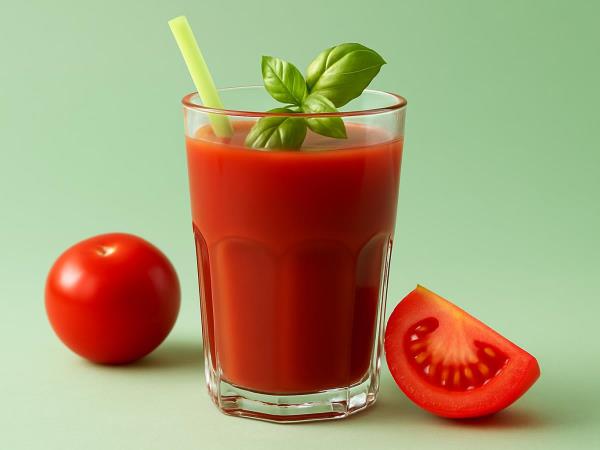
5. Tomato juice — a simple glass with a lot going on
Tomatoes are rich in carotenoids, including lycopene, compounds involved in the body's production of vitamin A. A well-seasoned glass of fresh tomato juice is a comforting, low-calorie way to work more of these into your day, and many people find it genuinely warming and satisfying on a cool afternoon. If you want to get the most out of it, Foodwhisper's own piece on nutrient-absorption pairings points out that pairing tomatoes with a source of healthy fat — a drizzle of olive oil or a few slices of avocado — can meaningfully boost how much lycopene your body actually absorbs, echoing the old habit of dressing tomato salad in olive oil. And if you're looking for more ways to work this humble juice into your routine, Quick Tricks for Better Health and a Perfect Body has a few more ideas.
A gentle reminder
None of this replaces a balanced diet, good sleep, hydration, or medical advice from your doctor — these five foods are simply pleasant, easy additions that many people enjoy leaning on as the seasons shift. If you're dealing with a persistent cough, fever, or other symptoms that feel like more than ordinary seasonal fatigue, it's always worth checking in with a healthcare professional rather than relying on food alone.
Information on this website is for educational purposes only and is not medical advice.
expert, nutritionist
 Would you like to be informed about news on the website?














|

