




5 Everyday Foods That Are Quietly Dulling Your Smile — And You're Probably Eating One Today
expert, nutritionist
Some foods affect your teeth without you ever realizing it. The tricky part is that these are often things we eat almost daily, so the effect builds up quietly in the background. If a brighter smile is on your radar, dentists suggest paying closer attention to a few everyday culprits.
Even famous, camera-ready smiles aren't immune. Radio and TV host Ryan Seacrest has spoken publicly about being self-conscious over his coffee-stained teeth, admitting to People magazine, "I drink very strong black coffee and my teeth, sometimes you can see it." According to the report, his Wheel of Fortune co-host Vanna White ended up gifting him whitening strips after he mentioned the problem to her. If a daily black-coffee habit can leave a visible mark on a face seen by millions, it's easy to see how it might do the same for the rest of us.
So which foods deserve a second look? Here are five common ones dentists flag most often — and why rinsing your mouth afterward matters more than you'd think.
1. Crackers
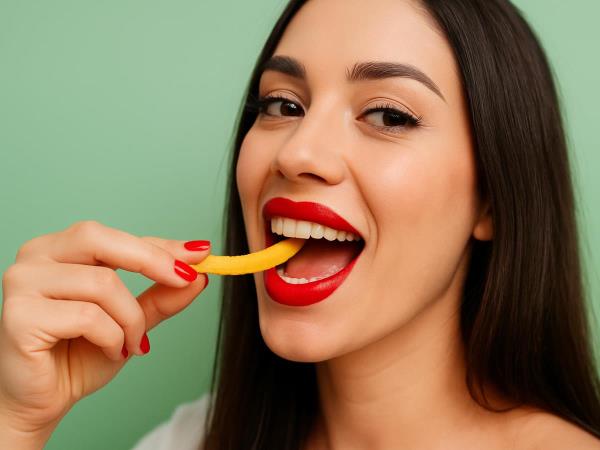
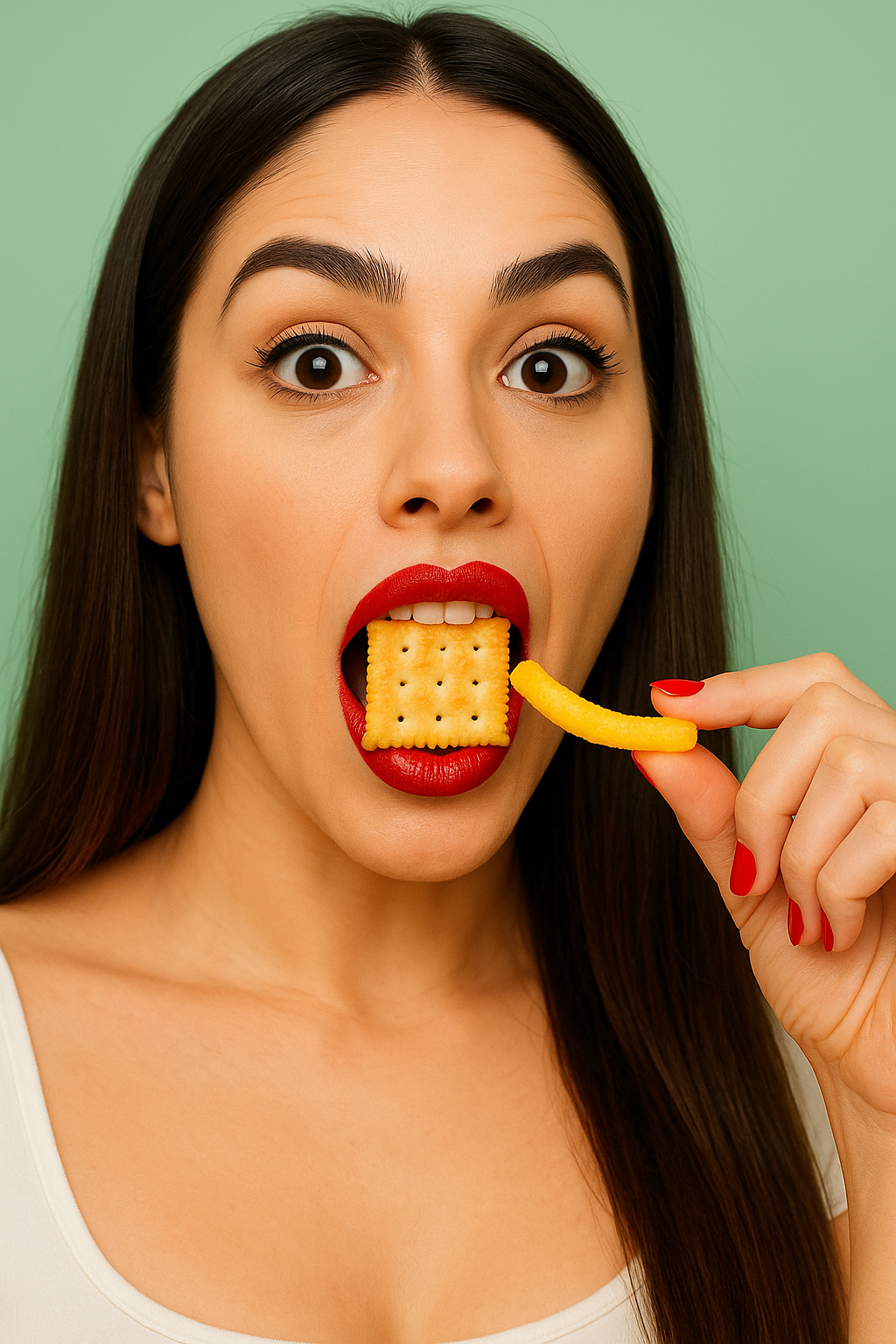
Crackers are one of the biggest hidden culprits behind dull, discolored teeth. They're loaded with refined carbohydrates, which break down into sugar almost as soon as you start chewing — and that sugar is exactly the kind of fuel that feeds bacteria on the tooth surface. Research on staining and enamel surfaces notes that pigmented, sticky foods that linger in the mouth tend to have the biggest cosmetic impact — and starchy snacks like crackers often cling to teeth longer than people expect.
2. Balsamic Vinegar
Balsamic — or the more common herb-based vinegar — is a familiar addition to countless dishes, especially salads. Unfortunately, it's also acidic, and that acidity can gradually soften the outer layer of enamel. Healthline reports that according to Rene Y. Dell'Acqua, DDS, the high acid content in foods like vinegar can allow enamel to break down, which makes it easier for a stain to set in. Colgate's oral care guide lists balsamic vinegar among the most common dressing-related offenders. If you want to cut back, try dressing your salad with lemon juice instead — it adds brightness without the deep, dark pigment.
3. Pickled Cucumbers
Pickles are a favorite for anyone who loves a sour bite, but the vinegar they're cured in isn't especially kind to enamel. If you can't resist them, brushing your teeth after a serving is a reasonable habit to build — partly because pickle brine is acidic, and partly because a minty toothpaste afterward can also help take the edge off your appetite for seconds.
4. Coffee and Tea
Coffee and tea drinkers are often easy to spot by their teeth. The effect tends to be most noticeable in people who start the day with a cup on an empty stomach. Unfortunately, there's no real shortcut around this one — Fortune spoke with a dentist who explained that even thorough brushing right after a cup doesn't undo much of the effect, since the pigments involved bind to enamel quickly. CNET's interview with board-certified dentist Dr. Anjali Rajpal adds that darker roasts and more concentrated coffee, like espresso, tend to stain more than lighter brews, and that a straw can help reduce direct contact with teeth. If you're looking for an alternative pick-me-up, Foodwhisper has a piece on a natural drink that can help you feel more awake without relying on coffee, and another on oil pulling, a traditional practice some people use alongside their regular oral care routine.
5. Ketchup
Tomatoes contain an acid that's easy to overlook because it doesn't always announce itself. Sometimes it's mild enough that you'd never guess this barely noticeable tanginess could contribute to enamel erosion over time. TheraBreath's oral health blog describes ketchup as a "triple threat" because it combines dark pigment, acidity, and a texture that clings to teeth. Pairing tomato-based dishes with something like balsamic vinegar, as in a tomato-and-balsamic salad, can compound the effect. If you're curious about how preparation changes a tomato's properties, Foodwhisper has an article on why some vegetables, tomatoes included, may behave differently cooked versus raw.
The Takeaway
None of this means you need to give up coffee, ketchup, or salad dressing — these are everyday foods enjoyed safely by most people as part of a normal diet. But if a brighter smile matters to you, a few small habits can help: rinse with water after eating or drinking anything acidic or deeply pigmented, wait a little before brushing so you're not scrubbing softened enamel, and keep up with regular dental checkups. As always, if you have specific concerns about your teeth, a dentist is the best person to ask.
Information on this website is for educational purposes only and is not medical advice.
expert, nutritionist
 Would you like to be informed about news on the website?








|

