




10 Everyday Eating Habits Your Stomach Already Knows — Even When You Ignore Them
expert, nutritionist
You already know the feeling: you rush out the door with no breakfast, inhale lunch at your desk in four minutes flat, and by 9 p.m. you're standing in front of the fridge wondering how you got there. Your stomach noticed every one of those moments, even if you didn't. Here are ten small, well-known habits that quietly make the biggest difference — and why so many of us still skip them.
Even people whose job depends on discipline build in room for imperfection. Dwayne "The Rock" Johnson, famous for a famously regimented weekly diet, is just as famous for the opposite: a standing Sunday "cheat meal" of pancakes, French toast and sushi that he treats as sacred, not shameful. As he put it when sharing one of his indulgent weekends, "Don't cheat yourselves, treat yourselves. Enjoy your cheat meals, my friends." It's a useful reminder before we get into the list: consistency, not perfection, is what these habits are really about.
1. Don't skip breakfast
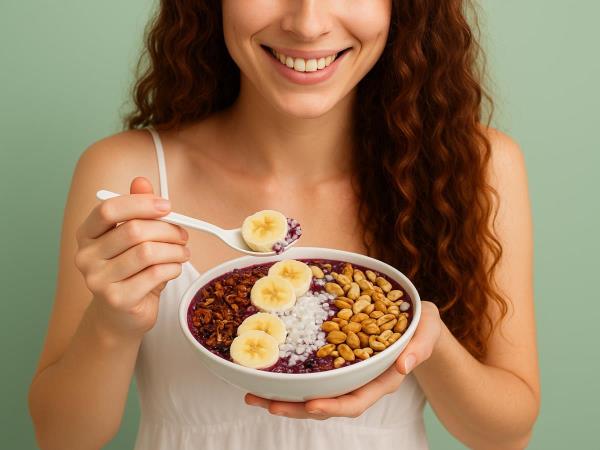
Breakfast helps re-engage your metabolism and digestive system after a night without food, and gives your body an early source of energy for the day ahead. Research summarized by the journal Advances in Nutrition found that eating breakfast, compared with skipping it, tends to support steadier glucose and insulin responses throughout the day. One of our readers put it simply: after years of skipping breakfast "for time," she found that a five-minute bowl of oats made her far less likely to raid the vending machine by 10 a.m.
2. Go easy on fast food
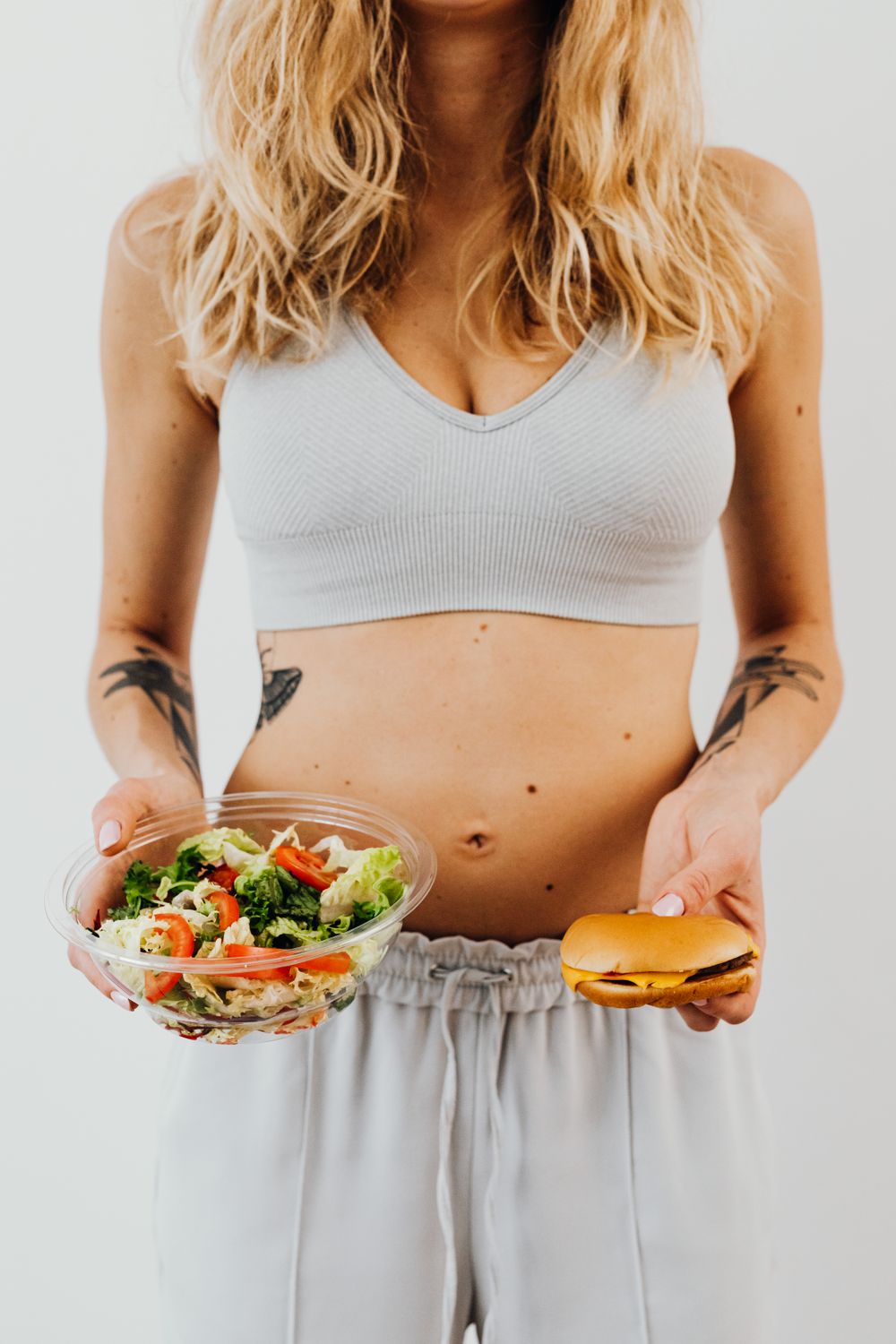
Fast food is designed to be eaten quickly — and that's part of the problem. It takes the brain roughly 20 minutes to register fullness, and research on eating speed has repeatedly linked fast eating with a higher likelihood of overeating. In a rushed meal, that 20-minute lag is an eternity — plenty of time to clear a tray before your stomach has a chance to say "enough." If you do enjoy fast food occasionally, Foodwhisper's own look at what fried food does to your heart is worth a read for ideas on making it less of a daily habit.
3. Favor fresher, less processed food
Food that travels a long way from farm to plate often relies more heavily on preservatives, colorants and other additives to stay shelf-stable — which is one reason nutritionists generally steer people toward fresher, less processed options. A widely cited 2019 NIH-funded study found that people eating a diet high in ultra-processed foods consumed noticeably more calories per day than those eating minimally processed meals, even when both diets were matched for calories, sugar, fat and fiber on paper.
4. Listen to your stomach — not just your thirst
When real hunger hits, a glass of water won't fix it. Your stomach is asking for food, not fluid. Keeping something simple on hand — an apple, a small handful of dried fruit (unsweetened, ideally) — can stop a manageable hunger pang from turning into a raid on the nearest vending machine an hour later.
5. Eat more vegetables — the right way
Every doctor, dietitian and well-meaning relative will tell you to eat more vegetables, and they're not wrong — but variety matters more than volume, and how vegetables are cooked matters too. Frying, smoking and heavy roasting all add fat and calories that can blunt the benefit. Interestingly, some vegetables are actually easier for your body to use once cooked: Foodwhisper has a good breakdown of which foods are healthier cooked than raw, spinach and kale among them.
6. Don't skip meals to "save up"
Telling yourself you'll skip lunch and "make up for it" with a modest dinner rarely works out that way in practice. Skipped meals tend to show up later as a much bigger dinner and less control over portions — often catching people off guard by how much more they end up eating than planned.
7. Stay hydrated — but there's no need to overdo it
Dehydration is a genuine, well-documented headache trigger — the connection between low fluid intake and headaches is one of the more consistent findings in this area, and steady sipping throughout the day is an easy way to stay ahead of it. On the flip side, more isn't automatically better: drinking water far faster than the kidneys can process it can dilute sodium levels in the blood, a rare but real condition called water intoxication. Clinical sources such as Medical News Today note that, to stay well clear of that risk, it's sensible not to exceed about one litre of water per hour — a pace that's easy to hit with regular sipping and hard to hit by accident.
8. Enjoy dessert — just pair it thoughtfully
You don't have to ban sweets to eat well. Many nutrition-minded readers find that having dessert alongside or right after a balanced meal — rather than as an isolated snack hours later — makes it easier to stop at a reasonable portion, since it isn't competing with genuine hunger. It's less about rigid timing rules and more about not asking dessert to also serve as your snack.
9. Rethink the soda habit
Sodas and other sweetened, carbonated drinks add a lot of sugar (or artificial sweeteners) with very little nutritional payoff, and the sodium in many diet and flavored versions can add up quickly too. Foodwhisper's look at healthy-sounding foods that aren't as healthy as they seem covers this in more detail, including why artificial sweeteners can leave you craving more sugar rather than less.
10. Nobody's perfect — and that's fine
Careful eating is a physical habit, but it's a psychological one too. Building in one guilt-free day a week — like Dwayne Johnson's famous Sunday pancake stack — isn't a failure of discipline; for a lot of people it's exactly what makes the other six days sustainable. Eat what you love on that day, because the structured week will be back soon enough.
Information on this website is for educational purposes only and is not medical advice.
expert, nutritionist
 Would you like to be informed about news on the website?












|

