


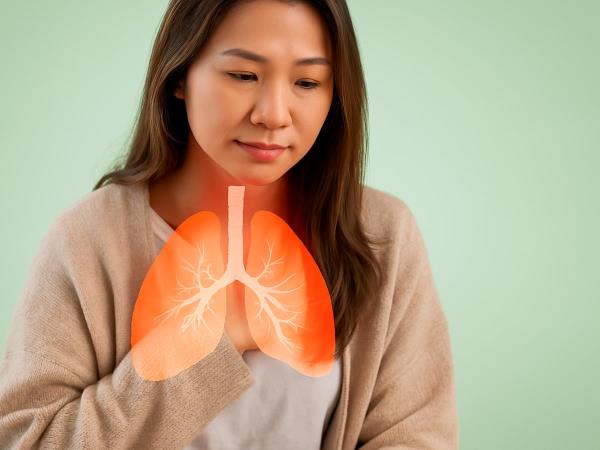



Your Lungs Are Eating With You: 17 Everyday Foods That May Help Protect Your Airways from Inflammation
expert, nutritionist
A friend of ours who's spent years coaching a local running club noticed something odd a few winters ago: the runners who snacked on apples and citrus through cold season seemed to power through their sessions with far fewer coughing fits than the ones who didn't. It wasn't a scientific study — just an observation — but it turns out there's real research behind why that might not have been a coincidence.
Every day, we take around 20,000 breaths, and with each one, we let in dust particles, exhaust fumes, viruses, bacteria, and other irritants. The World Health Organization (WHO) reports that almost the entire global population — around 99% of people — breathes air that exceeds its recommended air-quality limits.
So it's little wonder that respiratory conditions such as asthma, chronic bronchitis, and COPD (chronic obstructive pulmonary disease) remain a significant public health concern worldwide. The encouraging part: a number of studies suggest that everyday foods may help support your lungs, ease inflammation, and make breathing a little easier over time.
Here are simple foods, many of which are probably already in your kitchen, that researchers have looked at in connection with lung health.
- Apples — a small daily habit linked to stronger lungs
The old saying about an apple a day may have more truth to it than we give it credit for. Apples are rich in vitamin C and flavonoids — natural plant compounds that help protect cells from damage. Several population studies have linked regular apple intake to a slower decline in lung function, particularly among former smokers, and to a reduced likelihood of developing COPD and other diet-related conditions. A comprehensive review published in Nutrition Journal found consistent associations between apple consumption and better pulmonary function, and researchers writing in the European Respiratory Journal found that people who ate more apples and fruit generally showed a measurably slower ten-year decline in lung function, an effect that was even more pronounced in ex-smokers. - Beets and beet greens — a natural way to support oxygen flow
Beets are rich in dietary nitrates, compounds that the body converts into nitric oxide, which helps relax blood vessels and may improve oxygen delivery throughout the body, including the lungs. Research summarized by the National Institutes of Health notes that beetroot supplements have been associated with improved physical performance and better lung function markers in people with certain chronic lung conditions.
Beet greens themselves are rich in magnesium, potassium, vitamin C, and carotenoid antioxidants. In folk tradition, they were often simmered into a tea to soothe a cough or sore throat — a use that lines up with their chlorophyll and antioxidant content. - Strawberries — a sweet ally against age-related lung decline
Strawberries aren't just a treat — they're rich in vitamin C and anthocyanins, the red pigments that also act as powerful antioxidants. Researchers from Johns Hopkins Bloomberg School of Public Health, presenting findings at the American Thoracic Society's International Conference, found that people with the highest intake of anthocyanin-rich fruit (like strawberries, grapes, and blueberries) experienced a notably slower age-related decline in lung function compared with those who ate the least, an effect that was strongest in people who had never smoked or had already quit. - Brazil nuts — small, but rich in selenium
Selenium is a mineral the body relies on for a well-functioning immune system, and Brazil nuts are among the richest natural sources — a single nut can supply more than 100% of the recommended daily amount. According to a research summary from Healthline's review of lung-health nutrition research, higher selenium status has been linked to better antioxidant defenses and immune function relevant to lung health, though because Brazil nuts are so concentrated, nutritionists generally recommend limiting intake to one or two per day. - Chili peppers — spicy support for clear airways
Chili peppers contain capsaicin, the compound responsible for their heat. Beyond flavor, capsaicin is thought to help thin mucus and support easier clearing of the airways, which is part of why spicy foods have long been used in folk remedies for colds across many cultures, including in traditional immune-boosting recipes that pair chili with garlic, honey, and ginger. - Edamame — a staple of Japanese diets, easy on the lungs
Edamame (young soybeans) are rich in isoflavones — natural plant compounds studied for their potential role in respiratory health. A study of Japanese adults found that people with COPD had markedly lower isoflavone intakes than healthy peers, and that higher isoflavone intake was associated with better lung function and less shortness of breath. If edamame isn't available, soy milk offers a similar isoflavone profile. - Flaxseed — a traditional remedy for a nagging cough
Flaxseed has long been used in folk medicine, often simmered into a soothing drink for dry or wet coughs. When soaked in water, flax releases a gel-like mucilage that can coat and calm irritated airways. It's also a plant source of omega-3 fatty acids, which are broadly associated with lower inflammation. - Ginger — a root that helps open things up
Ginger has been used for centuries as a natural remedy for colds and congestion, and modern research continues to explore how its active compounds may support clearer airways and reduce inflammation in the bronchial passages. It's a common ingredient in traditional chest and cough remedies, and it's also central to warm immune-boosting drinks combining ginger with citrus and other anti-inflammatory foods. - Green tea — natural support during allergy season
Green tea contains quercetin, a plant compound with natural antihistamine-like properties, which may make it a helpful addition to your routine if pollen season tends to leave you sniffling. It's also rich in EGCG, an antioxidant catechin; a small clinical study found that EGCG extract reduced markers of lung tissue scarring in people with pulmonary fibrosis over a two-week period, according to research indexed on PubMed. - Grapes — antioxidant support, especially the dark ones
Dark grapes are another rich source of anthocyanins and proanthocyanidins, the same class of antioxidants credited with supporting lung tissue in the strawberry and blueberry research above. Diets that regularly include grapes and other dark berries have been associated with better preserved lung function over time in long-term European cohort studies. - Mushrooms — an underrated source of vitamin D
Mushrooms are one of the few natural plant-based sources of vitamin D, a nutrient the lungs rely on for healthy immune signaling. Some research has linked adequate vitamin D status to better exercise tolerance and oxygen delivery, particularly in people managing chronic respiratory conditions. In folk tradition, mushroom broths were sometimes referred to as a "lung tonic." - Olive oil — the Mediterranean diet's liquid gold
Olive oil is central to the Mediterranean diet, which has repeatedly been linked to better respiratory health. A study of 871 people found that high olive oil intake was associated with a reduced risk of asthma, likely thanks to its concentration of oleic acid and antioxidant polyphenols. In Greek folk tradition, a spoonful of olive oil mixed with honey before bed was a common remedy for a scratchy throat — and there may be something to that pairing. - Pumpkin — a smart choice, especially for smokers
Pumpkin's vivid orange flesh is packed with carotenoids like beta-carotene, lutein, and zeaxanthin, which have antioxidant and anti-inflammatory properties. According to research reviewed by Healthline's nutrition team, higher blood carotenoid levels are associated with better lung function, and this may matter especially for smokers, whose carotenoid levels tend to run notably lower than nonsmokers'. - Red cabbage — a colorful bowl of support for city dwellers
Red cabbage owes its vivid color to anthocyanins, the same antioxidant pigments found in berries and grapes, and higher anthocyanin intake has been linked to a slower decline in lung function in long-term studies. It's a vegetable that nutritionists often recommend for people living in areas with heavier air pollution, alongside its solid fiber content, which has separately been linked to better lung function. - Salmon — nutrition from the sea
Salmon and other fatty fish are rich in omega-3 fatty acids, compounds with well-documented anti-inflammatory effects. Research has linked higher omega-3 intake to fewer COPD symptoms and improved lung function, and an omega-3-rich diet has also been associated with reduced symptom burden in people with asthma. If salmon isn't available, sardines and mackerel offer a similar omega-3 profile. - Tomatoes — a simple ally for people managing asthma
Tomatoes are one of the richest dietary sources of lycopene, a carotenoid antioxidant associated with reduced airway inflammation. As part of the Ageing Lungs in European Cohorts (ALEC) study led by Imperial College London, researchers found that adults who ate more than two tomatoes a day showed a measurably slower ten-year decline in lung function, an effect that was strongest among former smokers. Lycopene is even more available to the body when tomatoes are cooked, such as in a sauce. - Turmeric — the golden spice with a track record
Turmeric owes much of its reputation to curcumin, a compound with strong antioxidant and anti-inflammatory properties. A study of nearly 2,500 people found that higher curcumin intake was associated with meaningfully better lung function, an effect that was especially notable among smokers. In Indian households, a teaspoon of turmeric stirred into warm milk has long been a traditional evening remedy for a cough — a tradition echoed in modern turmeric-based warming drinks.
Affordable, natural support for your lungs
Even as outdoor air quality remains a growing concern almost everywhere, there's a lot within reach that doesn't require expensive supplements. Apples, beets, ginger, pumpkin, and even humble red cabbage are foods you can find in almost any grocery store, and a reasonable body of research suggests they can be a meaningful part of supporting your respiratory health over time.
Scientific research over the past several years increasingly backs up what folk wisdom seems to have sensed all along: that the plate in front of you can be part of caring for your lungs, alongside not smoking, staying active, and getting medical care when you need it. It's little wonder that households have long reached for flaxseed tea or honey-and-olive-oil at the first sign of a cough — what once looked like a family habit is, in many cases, now backed by evidence.
Information on this website is for educational purposes only and is not medical advice.
expert, nutritionist
 Would you like to be informed about news on the website?











|

