


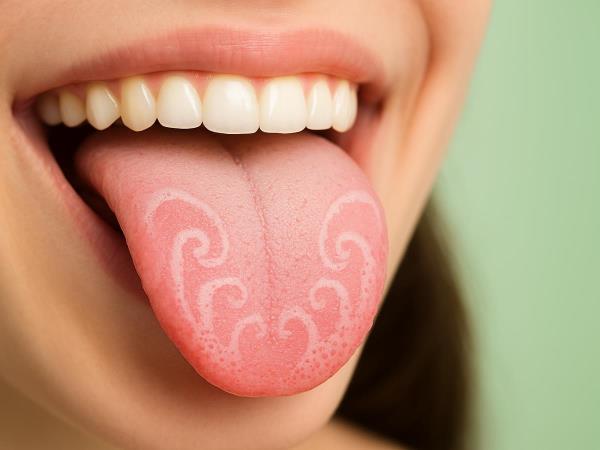




Your Tongue Never Lies: The Morning Coating Almost Everyone Has — And What It's Quietly Telling You
expert, nutritionist
You brush. You floss. Maybe you even use mouthwash twice a day. And yet your breath still isn't quite right, and there's a pale, slightly fuzzy coating sitting on your tongue every morning. If that sounds familiar, you're not alone — and you're not doing anything wrong. You're just missing one step that most oral hygiene routines quietly skip.
Even Wellness-Obsessed Celebrities Swear By It
Tongue cleaning isn't a fringe idea. It's a staple of Ayurvedic morning routines, and it has found its way into the daily rituals of more than one high-profile wellness advocate. Gwyneth Paltrow has spoken publicly about incorporating oil pulling and tongue scraping into her morning routine, following the guidance of Ayurvedic practitioners who recommend it as a simple way to freshen breath and support oral hygiene, as reported by the South China Morning Post. You don't need a celebrity budget or a cabinet full of products to do the same thing — just a spare thirty seconds and, if you like, an actual tongue cleaner.
Why the Tongue Matters So Much
Brushing your teeth, cleaning your body, and following elaborate detox routines won't do much good if your tongue is left "dirty." The tongue's surface is covered in tiny bumps called papillae, and they're extremely good at trapping food debris, dead cells, and bacteria — which is exactly why it tends to collect more microorganisms than any other surface in your mouth. According to the Wikipedia summary of tongue-cleaning research, bacteria living on the tongue may account for as much as 80–85% of cases of bad breath.
A coated tongue is often simply a normal, harmless build-up of food residue, bacteria, and dead cells — something nearly everyone notices first thing in the morning. It's frequently linked to bad breath (halitosis) and, when oral hygiene is neglected for long periods, can contribute to gum irritation and a higher risk of cavities. The Cleveland Clinic notes that scraping the tongue is one of the most effective daily steps for keeping bad-breath-causing bacteria in check, alongside brushing and flossing.
Some traditional and alternative-medicine practices go further, suggesting that a heavily coated tongue can be an early signal of broader imbalances in the body — from sinus issues to digestive troubles. It's worth being cautious with claims like these: they're rooted mostly in traditional systems like Ayurveda rather than in robust clinical evidence, so think of a coated tongue as a useful hygiene cue rather than a diagnostic tool. If you notice a coating that's unusually thick, persistently discolored, or accompanied by pain, that's a conversation for your dentist or doctor — not a home-remedy project.
If you wake up and immediately notice a white film across your tongue, that's simply a sign that a normal population of bacteria has been quietly growing overnight — every mouth does this to some degree, and it's exactly why the habit below exists.
How to Clean Your Tongue Properly
You can make your own tongue cleaner in a pinch — even the rounded edge of a spoon works — or buy a dedicated tongue scraper, which comes in either metal or plastic. A good cleaner does two things at once: it lifts the coating away, and it gently massages the tongue's surface, which many people find noticeably improves mood and digestion, since the tongue hosts a number of acupressure-related points recognized in traditional practice.
According to Harvard Health, tongue scraping is done with a simple raking motion, drawing the tool from the back of the tongue toward the tip — and it's worth going gently, since scraping too hard can irritate the tissue. Ideally, aim to clean or gently massage your tongue three to five times a day, and always rinse your mouth thoroughly afterward.
A Simple Habit, A Fresher Start
None of this needs to be complicated or expensive. A clean tongue takes seconds, costs next to nothing, and is one of the few oral hygiene habits that pays off almost immediately — in fresher breath and a noticeably cleaner-feeling mouth. As with any change to your routine, if you have ongoing oral health concerns, a dentist is always the right first call.
Related reading on Foodwhisper:
- Foodwhisper: Why Chew Oil in the Mouth? — a closer look at oil pulling and what current research says about its effect on oral bacteria.
- Foodwhisper: Warning Signs of Vitamin B12 Deficiency — including changes in tongue texture worth knowing about.
Information on this website is for educational purposes only and is not medical advice.
expert, nutritionist
 Would you like to be informed about news on the website?















|

