





This Tiny Orange-Like Fruit Packs 10x More Vitamin C Than an Orange — and You Can Grow It on Your Balcony
expert, nutritionist
Picture a fruit said to contain three times more vitamin A than carrots, ten times more vitamin C than oranges, and by far the highest vitamin E content of any fruit or vegetable analyzed so far. It sounds like a marketing exaggeration — but the kumquat is a real fruit, and one you can grow yourself, even in a pot on a balcony.
A friend's first-hand experience
A friend of mine, who has spent years as an amateur botanist growing exotic plants, first got me hooked on kumquats. After about two weeks of eating the fresh fruit regularly, he told me he noticed his skin felt visibly more hydrated and elastic — and it wasn't from any cream. "I didn't think a fruit could do that," he said. Once I looked into what kumquats actually contain, it started to make sense.
A Fruit Known to Both Ancient Greece and Tibet
There are very few medicinal plants that appear in the historical records of both ancient Greek and Tibetan medicine. For centuries, healers in both traditions reached for it to ease a wide range of ailments — yet today it's largely forgotten in most Western kitchens. That plant is the kumquat, also known by the folk names "dog thorn" or "Japanese orange" in some regions.
Have you ever seen one growing? It's a fairly low-maintenance plant that can be grown from a seed right on your own balcony. It needs plenty of sun but can tolerate temperatures down to about –10{-15696}C (14{-15696}F). It fruits in spring and summer, and in older writings its fruit was sometimes called an "elixir of life."
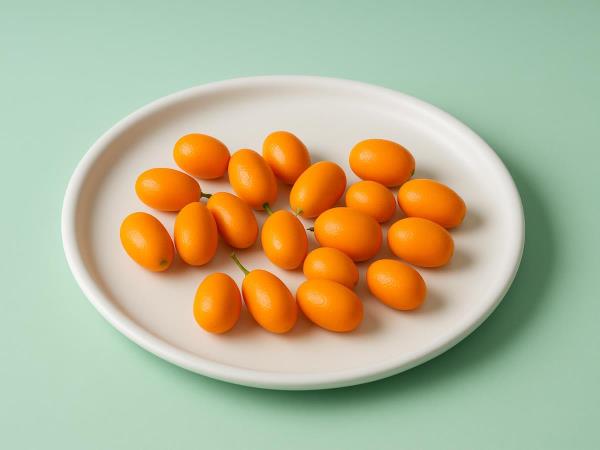
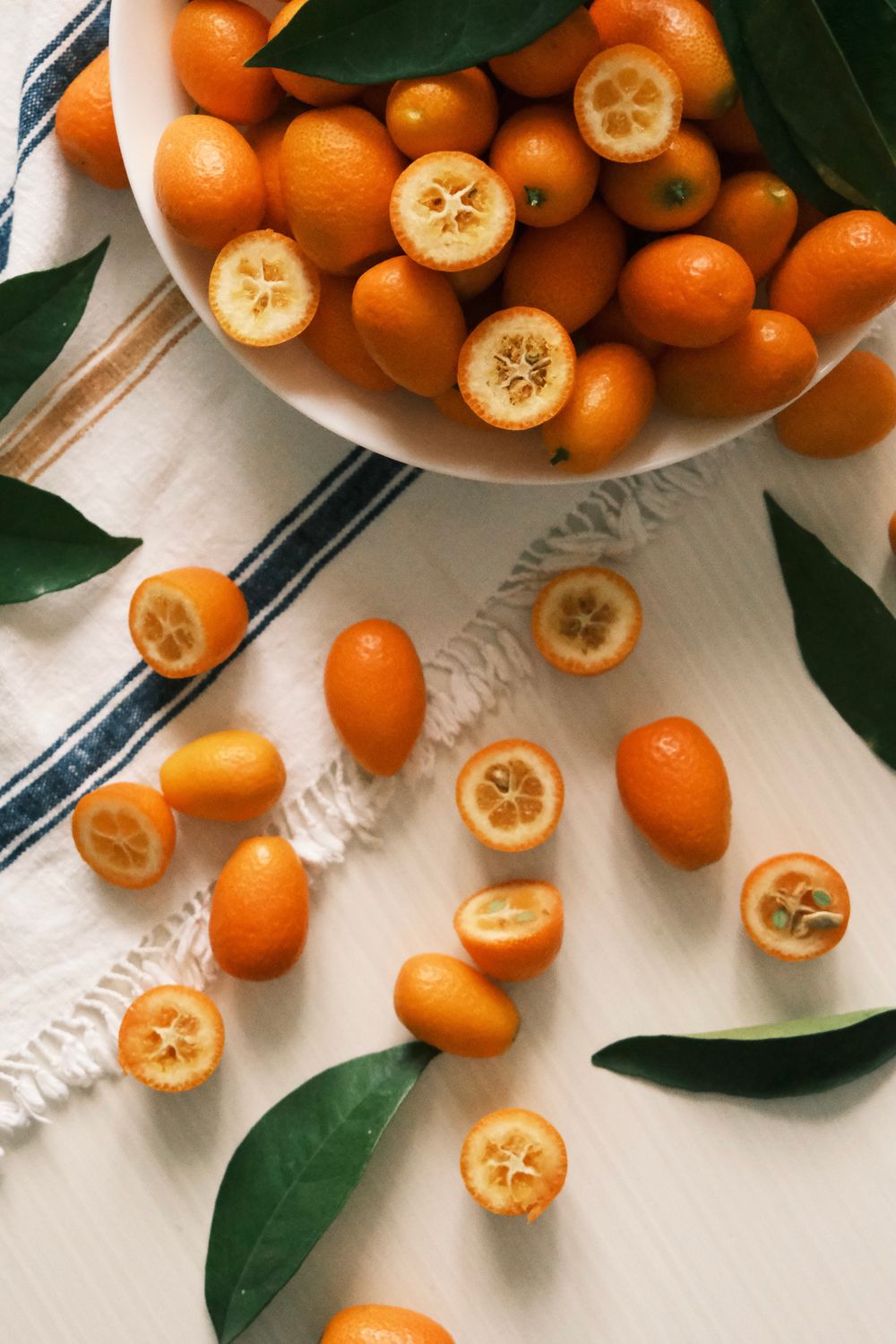
The fruit itself is round or oval, resembling a miniature orange. Both the peel and the flesh are edible — the peel is sweet, while the flesh is slightly tart and a touch bitter.
In Greece, the kumquat has its own well-documented home: on the island of Corfu, where it has held Protected Geographical Indication status since the 1990s and has been cultivated commercially for close to a century.
190 Phytonutrients: A Record Among Known Plants
So what makes the kumquat so unusual? A review published in the journal Food Reviews International summarizes that kumquat fruit is rich in polyphenols, essential oils, minerals and vitamins — vitamin C in particular. Combined domestic and international analyses have identified roughly 190 distinct phytonutrients and bioactive compounds in the kumquat, reportedly the highest count recorded for any plant studied so far.
The comparisons with everyday produce are striking:
- Around 3x more vitamin A than carrots
- Around 10x more vitamin C than oranges
- By far the highest vitamin E content among fruits and vegetables studied
For context, we've also written about how homemade vitamin C extracted from citrus peel can outperform store-bought versions — and the kumquat is a fruit whose overall vitamin C content is said to exceed that of common citrus fruits combined.
On top of that, kumquat seed oil reportedly contains all three major omega fatty acid families (omega-3, -6 and -9), along with the comparatively rare omega-7 fatty acids — worth a closer look on their own.
Omega-7: A Quiet Player in Skin and Metabolic Health
Omega-7 fatty acids, primarily palmitoleic acid, are uncommon in most everyday diets. A randomized, double-blind clinical trial found that palmitoleic acid supplementation was associated with improvements in skin barrier function and elasticity, along with a reduction in the appearance of fine lines in adult women. That may explain why kumquat-derived cosmetic extracts are prized ingredients in premium skincare formulations.
Omega-7's role isn't limited to skin, either. Researchers at Life Extension note that clinical studies have linked omega-7 intake to cardiovascular support, healthier blood sugar regulation, and reduced markers of inflammation — which may help explain why traditional healers credited kumquats with such a broad range of benefits.
For readers curious about vitamin E and antioxidant support more broadly, our related piece on olive oil on an empty stomach covers how another everyday food delivers similar antioxidant and skin-supporting compounds.
Where Kumquat's Bioactive Compounds May Help
Laboratory analysis of kumquat extracts confirms that the flavonoids, phenolic acids and carotenoids present in the fruit show antioxidant, antimicrobial and anti-inflammatory activity in test settings.
Based on available research and traditional use, regularly including kumquats in the diet is sometimes associated with support for:
- easing mild digestive discomfort in some people
- general urinary tract and menopausal wellness
- skin care, including concerns like occasional breakouts, dry skin and dry eyes
- maintaining already-healthy blood lipid levels — for readers interested in natural approaches to cholesterol, see our related article Olive oil on an empty stomach: healthy habit or myth?
- everyday immune support — for more on immune-friendly foods, see 4 ingredients for joints you probably have at home and Did you know cashews aren't actually from India — and why that matters?
- soothing a dry cough or mild sinus discomfort
Please note: this article is for general informational purposes only and does not replace advice from a qualified healthcare professional. Anyone managing a chronic health condition should consult their doctor before making significant dietary changes.
Growing Your Own — Worth It, But It Takes Patience
Kumquats aren't widely sold fresh in many parts of Europe, which is why a lot of enthusiasts simply grow their own. The tree tolerates cold down to around –10{-15696}C (14{-15696}F) and doesn't demand much special care. There's one catch, though: a tree grown from seed typically won't flower for four to five years, and even then isn't guaranteed to — seed-grown trees are sometimes sterile, and there's no way to know in advance.
If you'd rather skip the wait, look for a grafted sapling from a specialty nursery. In Europe, Greece — particularly the island of Corfu — is the best-known kumquat-growing region, while the United States is among the world's largest producers and consumers of the fruit. Fresh kumquats occasionally turn up in larger supermarkets or specialty produce markets, and increasingly through online retailers as well.
A fun fact for food lovers: in many parts of Asia, kumquats are eaten whole — peel and flesh together. The peel is actually the sweeter of the two, while the flesh carries the tartness. As with several underrated vegetables we've covered before, much of the kumquat's nutritional punch is concentrated in the part people are most likely to throw away — the peel.
The Bottom Line: A Fruit Worth Making Room For
The kumquat is more than just an exotic curiosity. It's one of the most nutrient-dense fruits studied to date, a fact that both older food traditions and more recent lab analyses seem to agree on. It's rich in vitamins A, C and E, contains all three omega fatty acid families, and is one of the few common food sources of the harder-to-find omega-7.
Diet is, of course, only one piece of overall wellbeing. But the kumquat — this small, unassuming little orange — is a fruit genuinely worth discovering. And with a bit of patience, there's nothing stopping you from growing your own.
For more on foods with standout nutritional profiles, take a look at our related articles Exotic smoothies with exceptional properties and Foods that positively impact your health.
Information on this website is for educational purposes only and is not medical advice.
expert, nutritionist
 Would you like to be informed about news on the website?











|

