






Date: 06/07/2026 - GOOD TO KNOW
Have you already heard of the Nordic diet?
AUTHOR:
Zvone Stor
expert, nutritionist
expert, nutritionist
We know a lot about Nordic walking, but not about the Nordic diet. Probably also because the Scandinavian way of eating doesn't feel familiar to us. But maybe it could...
You have probably noticed how vital and energetic Danes, Swedes, and Finns seem, even as they grow older. Although the wind blows harder there than here, and winters last long, people usually maintain a healthy body weight and have far fewer problems with heart issues, blood pressure, or diabetes compared to us in Central Europe. We took a close look at this—not through the eyes of dietitians, but with the knowledge passed down for centuries by people who seek health in nature and food, not in pills.
What exactly is the Nordic diet?
Very simply—it is a way of eating that developed in the countries of Northern Europe, namely Norway, Denmark, Sweden, Finland, and Iceland. It is based on what nature there provides: fish, wild berries, tubers, roots, herbs, and especially many foods that grow or thrive in cold climates. And although it sounds ancient, the modern version of this diet was only established in 2004, when a group of scientists, nutritionists, and even top chefs decided to show the world that we can fight obesity and disease with local, seasonal, and natural foods.
This way of eating was designed in response to the fact that Nordic countries have significantly lower obesity rates than the rest of the Western world. For example—as per WHO data from 2022, Denmark has 20.1% adults with obesity, while the USA has as much as 41.9%. Slovenia is at 21.2%, which means that we could learn something too.
Why does it work?
Put simply—Nordic people eat clean, natural, moderate, and seasonal foods. A typical meal for them might be rye bread with fish, a bowl of oatmeal with blueberries, or a root vegetable soup with legumes. They almost never consume sugary drinks, fast food, or processed meats.
Instead of butter and pork fat, they use rapeseed (canola) oil, which is full of omega-3 fatty acids—these "good fats" lower bad cholesterol (LDL) and raise good cholesterol (HDL). Rapeseed oil also has more vitamin E than olive oil and contains very little saturated fat, making it excellent for heart health. One tablespoon of rapeseed oil contains about 1.3g alpha-linolenic acid (ALA), almost 100% of the daily requirement for an adult.
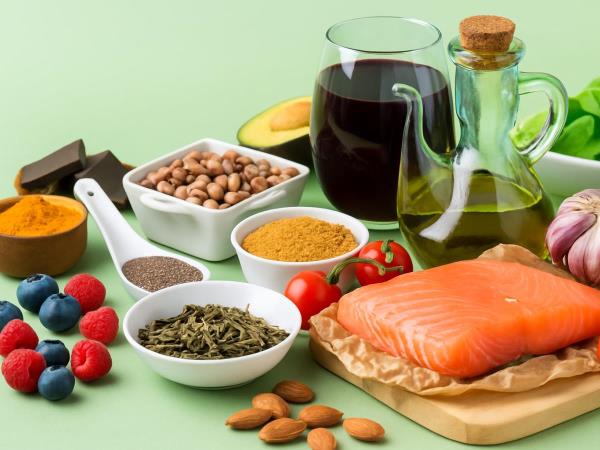
Another star of this diet is fish, which are eaten up to three times a week. Salmon, herring, trout, and cod are not only rich in protein but also contain plenty of omega-3 fatty acids. These are key for the function of the brain, eyes, and heart. For example, one portion (100g) of salmon contains 2260mg EPA and DHA—two of the most beneficial forms of omega-3.
Peculiarities of the Nordic diet
Unlike the Mediterranean diet, which focuses on tomatoes, olives, and wheat, the Nordic diet is full of whole grains such as rye, oats, and barley. These grains are rich in fiber, which aids digestion, regulates blood sugar, and provides long-lasting satiety.
Interestingly, Finns consume on average 20–25g of dietary fiber a day, while in many Western countries this number is barely 15g. The recommended daily amount is at least 25g!
In addition, the Nordic diet includes a lot of wild berries, such as blueberries, cranberries, sea buckthorn, and serviceberries. These berries are not just full of vitamins (especially C and A), but also rich in anthocyanins, natural pigments with strong antioxidant properties. According to a study published in the American Journal of Clinical Nutrition in 2021, volunteers who ate 200g of blueberries daily for 12 weeks significantly improved vascular function and reduced inflammatory markers in the blood.
It also lowers blood pressure, and sugar...
Of course, most importantly, this way of eating isn't just preventive. It has real healing effects. In 2014, an important study was published in which 200 adults with an average BMI of 30.2 (which means obesity) were monitored for six months. One group ate according to the Nordic diet, the other according to a typical Western diet. The results showed that those who ate the Nordic way reduced systolic blood pressure (the upper one) by 5.1 mmHg, and diastolic (the lower one) by 3.2 mmHg. At the same time, they had better cholesterol levels, less inflammation in their bodies, and even lower insulin levels.
If this doesn't tell you enough, maybe this number will: in the group with the Nordic diet, 22% of participants reduced their body weight by more than 5 kg, while in the control group it was only 8%. And all this without counting calories!
Does the Nordic diet cure disease?
We won't say it's miraculous. But the World Health Organization has confirmed that—similar to the Mediterranean diet—the Nordic diet can help prevent type 2 diabetes, heart, and vascular disease, and some cancers. This is not a diet in the classic sense—it's a way of life.
Moreover, it’s not just about what you eat but also how you eat. In the Nordic countries, people take their time for meals. The dish is prepared with respect for the ingredients, which are produced locally and seasonally, and the meal is eaten slowly, often in company. And as our grandmothers would say—food eaten without stress and with joy also works better.
What does the Nordic diet include?
What should be limited?
If you want to follow the northern path, then it's best to avoid sugary drinks, processed foods, fast-prepared meals, and processed meats. Red meat should be eaten rarely, and if so, it should be wild game—Northerners prefer elk or venison over pork.
Dairy products are also consumed in moderation, but those used are often fermented—such as kefir, sour milk, or skyr (a thick, protein-rich Icelandic version of yogurt).
In conclusion ...
If it seems like just another trend to you, let us remind you that the Nordic diet is more a return to roots than something new. If you like the idea that health can come from a spoonful of oats, blueberries, and a spoon of rapeseed oil, then this is the right path for you.
Information on this website is for educational purposes only and is not medical advice.
What exactly is the Nordic diet?
Very simply—it is a way of eating that developed in the countries of Northern Europe, namely Norway, Denmark, Sweden, Finland, and Iceland. It is based on what nature there provides: fish, wild berries, tubers, roots, herbs, and especially many foods that grow or thrive in cold climates. And although it sounds ancient, the modern version of this diet was only established in 2004, when a group of scientists, nutritionists, and even top chefs decided to show the world that we can fight obesity and disease with local, seasonal, and natural foods.
This way of eating was designed in response to the fact that Nordic countries have significantly lower obesity rates than the rest of the Western world. For example—as per WHO data from 2022, Denmark has 20.1% adults with obesity, while the USA has as much as 41.9%. Slovenia is at 21.2%, which means that we could learn something too.
Why does it work?
Put simply—Nordic people eat clean, natural, moderate, and seasonal foods. A typical meal for them might be rye bread with fish, a bowl of oatmeal with blueberries, or a root vegetable soup with legumes. They almost never consume sugary drinks, fast food, or processed meats.
Instead of butter and pork fat, they use rapeseed (canola) oil, which is full of omega-3 fatty acids—these "good fats" lower bad cholesterol (LDL) and raise good cholesterol (HDL). Rapeseed oil also has more vitamin E than olive oil and contains very little saturated fat, making it excellent for heart health. One tablespoon of rapeseed oil contains about 1.3g alpha-linolenic acid (ALA), almost 100% of the daily requirement for an adult.
Another star of this diet is fish, which are eaten up to three times a week. Salmon, herring, trout, and cod are not only rich in protein but also contain plenty of omega-3 fatty acids. These are key for the function of the brain, eyes, and heart. For example, one portion (100g) of salmon contains 2260mg EPA and DHA—two of the most beneficial forms of omega-3.
Peculiarities of the Nordic diet
Unlike the Mediterranean diet, which focuses on tomatoes, olives, and wheat, the Nordic diet is full of whole grains such as rye, oats, and barley. These grains are rich in fiber, which aids digestion, regulates blood sugar, and provides long-lasting satiety.
Interestingly, Finns consume on average 20–25g of dietary fiber a day, while in many Western countries this number is barely 15g. The recommended daily amount is at least 25g!
In addition, the Nordic diet includes a lot of wild berries, such as blueberries, cranberries, sea buckthorn, and serviceberries. These berries are not just full of vitamins (especially C and A), but also rich in anthocyanins, natural pigments with strong antioxidant properties. According to a study published in the American Journal of Clinical Nutrition in 2021, volunteers who ate 200g of blueberries daily for 12 weeks significantly improved vascular function and reduced inflammatory markers in the blood.
It also lowers blood pressure, and sugar...
Of course, most importantly, this way of eating isn't just preventive. It has real healing effects. In 2014, an important study was published in which 200 adults with an average BMI of 30.2 (which means obesity) were monitored for six months. One group ate according to the Nordic diet, the other according to a typical Western diet. The results showed that those who ate the Nordic way reduced systolic blood pressure (the upper one) by 5.1 mmHg, and diastolic (the lower one) by 3.2 mmHg. At the same time, they had better cholesterol levels, less inflammation in their bodies, and even lower insulin levels.
If this doesn't tell you enough, maybe this number will: in the group with the Nordic diet, 22% of participants reduced their body weight by more than 5 kg, while in the control group it was only 8%. And all this without counting calories!
Does the Nordic diet cure disease?
We won't say it's miraculous. But the World Health Organization has confirmed that—similar to the Mediterranean diet—the Nordic diet can help prevent type 2 diabetes, heart, and vascular disease, and some cancers. This is not a diet in the classic sense—it's a way of life.
Moreover, it’s not just about what you eat but also how you eat. In the Nordic countries, people take their time for meals. The dish is prepared with respect for the ingredients, which are produced locally and seasonally, and the meal is eaten slowly, often in company. And as our grandmothers would say—food eaten without stress and with joy also works better.
What does the Nordic diet include?
- Fruits and vegetables—especially root vegetables (such as turnip, parsnip, carrot) and berries.
- Legumes and potatoes—rich in starch, fiber, and protein.
- Whole grains—mainly oats, rye, and barley.
- Nuts and seeds—a rich source of healthy fats and vitamins.
- Fish and seafood—at least 2–3 times a week.
- Rapeseed oil—instead of butter or olive oil.
- Herbs and wild plants—dill, thyme, blueberries, nettles ...
What should be limited?
If you want to follow the northern path, then it's best to avoid sugary drinks, processed foods, fast-prepared meals, and processed meats. Red meat should be eaten rarely, and if so, it should be wild game—Northerners prefer elk or venison over pork.
Dairy products are also consumed in moderation, but those used are often fermented—such as kefir, sour milk, or skyr (a thick, protein-rich Icelandic version of yogurt).
In conclusion ...
If it seems like just another trend to you, let us remind you that the Nordic diet is more a return to roots than something new. If you like the idea that health can come from a spoonful of oats, blueberries, and a spoon of rapeseed oil, then this is the right path for you.
Information on this website is for educational purposes only and is not medical advice.
Author:
Zvone Stor
expert, nutritionist
expert, nutritionist
 Would you like to be informed about news on the website?
Just enter your e-mail
Nordic diet benefits
Healthy Nordic eating
Scandinavian diet plan
Nordic food habits
Benefits of Nordic cuisine
Latest news

Why Do You Always Wake Up at the Same Time? Your Body Might Be Trying to Tell You Something
Read more >>


French Fries and Your Brain: What an 11-Year Study of 140,000 People Found About Fried Food and Mood
Read more >>
Selenium: The Tiny Mineral Your Body Can't Live Without — And Can Absolutely Have Too Much Of
Read more >>

A Spoonful of Coconut Oil on an Empty Stomach: The Quiet Morning Habit So Many People Swear By
Read more >>


Anemia on Your Plate: The Everyday Foods Quietly Helping — Or Sabotaging — Your Iron Levels
Read more >>

Why the Humble Egg Might Just Be Your Diet's Secret Weapon: 5 Reasons Nutritionists Keep Coming Back To
Read more >>

Yogurt, Banana or Citrus for Breakfast? Why Some "Healthy" Foods Can Backfire on an Empty Stomach
Read more >>



Why the Scale Won't Budge, Even On a Diet: The Overlooked Mineral Almost Nobody Talks About
Read more >>


Interaktive Widgets:
|

