


Three ingredients, one habit: why do so many people swear by carrot, beetroot, and apple juice?
expert, nutritionist
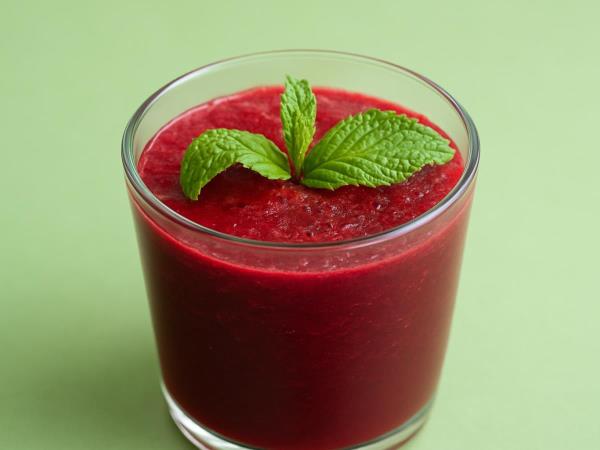
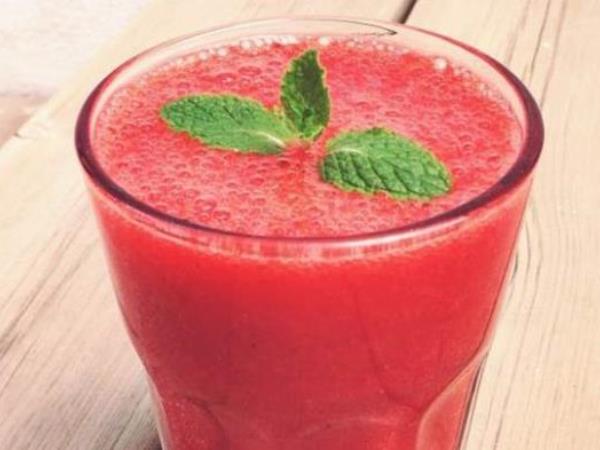
Imagine a glass of freshly squeezed juice, vibrant red in color, sitting on the table every morning—a simple ritual that many describe as a moment when the body wakes up from within. This drink, made from only three ingredients, is often called health in a glass. It looks simple, but the secret lies in the preparation—and this detail separates those who enjoy drinking it from those who gave up after their first try.
An acquaintance who has been passionate about natural nutrition for years once shared that she discovered this drink during a time when she was looking for a way to relieve her body after holidays filled with heavy food. At first, she simply threw all three ingredients together in a blender—and the result was, to put it mildly, unpleasant: slight nausea and a feeling of heaviness in the stomach. Only when she learned the correct preparation sequence did the juice become her morning habit, which she maintains to this day. Her experience is a good reminder that with this mixture, it truly matters how you prepare it.
Ingredients
- carrot
- beetroot
- apples
Preparation
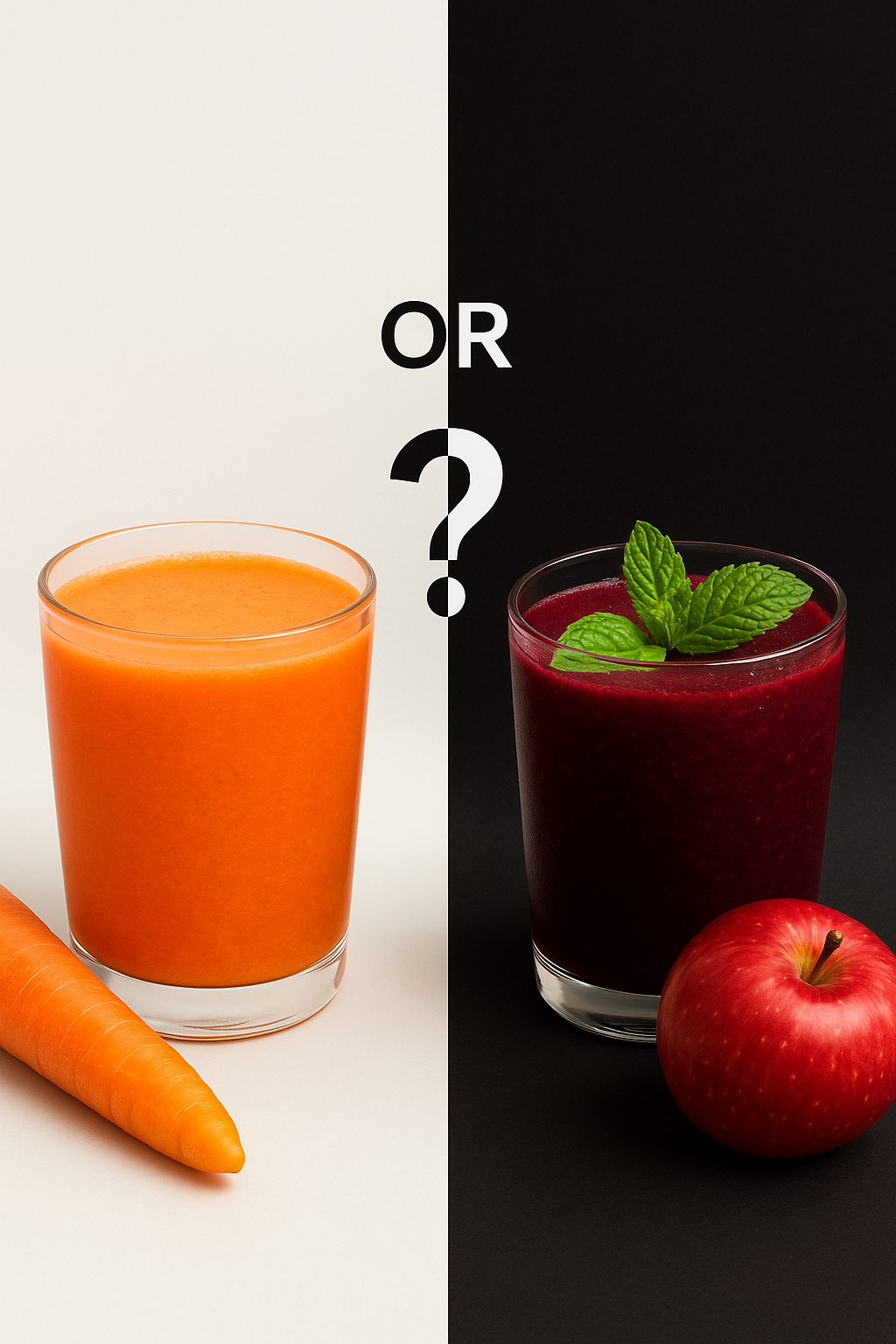
As mentioned, it makes a difference whether you simply blend all the ingredients together or prepare each juice separately. The key is in the ratio. This drink is most effective if you mix equal amounts of each juice together.
That’s why we recommend first making juice from the beetroot. Let it sit for 5 to 10 minutes to allow it to react with oxygen. This way, the beetroot juice will lose some of its qualities that can cause nausea, anxiety, or dizziness in some people.
If you’re in a hurry, you can prepare the carrot and apple juice together. Just make sure to use twice as much carrot as apple in the blender. Then add the beetroot juice, mix well, and drink gradually—sip by sip, not all at once.
Practical tip: Prepare beetroot juice in a glass or ceramic container, as metal can speed up oxidation and alter the taste. It’s best to drink the juice within 15–20 minutes of preparation, while it’s still fresh.
Why this mixture is so popular
According to various findings, this healthy mixture helps support the body’s natural detoxification processes of the liver and kidneys and can ease digestive complaints. Many also link it to strengthening the immune system, easing menstrual discomfort, improving blood count, and supporting vascular health. However, note that these are folk and traditional observations, and it is always wise to complement them with the opinion of a doctor or nutritionist, especially if you have chronic liver or kidney issues.
Carrot is one of the best natural sources of beta-carotene and folic acid. According to some sources, it also contains glutathione, a powerful antioxidant that is especially important for liver function, as the liver is the main detoxification organ in the body where glutathione is found in high amounts. Carrot is also a rich source of beta-carotene, which the body converts to vitamin A—about the importance of this vitamin for eye and skin health, we wrote in our article about 10 reasons why you should eat more carrots.
Beetroot is full of the pigment betalain, considered one of the strongest natural antioxidants, and according to some studies, helps protect cells from oxidative stress. Betalains were, in a scientific study published on PubMed, recognized as substances that stimulate the activity of phase two detoxifying enzymes in the liver. You can learn more about why beetroot juice is so valued in our article 8 reasons why you should drink beetroot juice.
Apples, according to some findings, decrease appetite and are considered one of the most handy quick snacks nature has to offer. They’re rich in fiber, especially pectin, which supports healthy digestion and feeds beneficial gut bacteria. For more on how apples affect heart, digestive, and immune health, see our article 5 reasons to eat an apple every day.
The summer version is even richer
The biggest advantage of this drink is that all three ingredients are available year-round—but in summer, when carrots, beets, and apples are ripening outdoors and come straight from the field or home garden, their nutritional value is reportedly noticeably higher according to many growers and experts. The summer beet harvest lasts from late June to the end of October, which means that now is the ideal time to prepare this drink from fresh ingredients.
Thanks to the natural sugars, which are even more concentrated in fruit and vegetables during sunny summer months, the summer version of this drink is also noticeably sweeter and more appealing to even the pickiest tastebuds.
What to watch out for
Although this mixture is safe and beneficial for most people, there are some general precautions. People with kidney stones should be careful about consuming larger amounts of beetroot, and moderation is also advised for those with sensitive digestive systems. If you are taking blood pressure medication or have been diagnosed with liver or kidney disease, consult your doctor before drinking this mixture regularly. It’s not unusual if you notice a slightly reddish color to your urine or stool after drinking beetroot juice—this is completely harmless and expected.
For additional body pampering, you can combine this drink with other tried-and-tested home remedies, such as beetroot powder, or include it in a broader morning ritual along with an Ayurvedic breakfast of cooked apples.
Information on this website is for educational purposes only and is not medical advice.
expert, nutritionist
 Would you like to be informed about news on the website?









|

