






Date: 06/07/2026 - GOOD TO KNOW
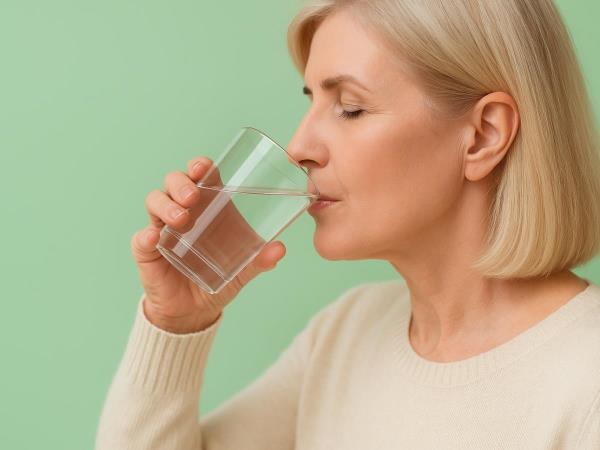
Don’t wait until you’re thirsty!
AUTHOR:
Zvone Stor
expert, nutritionist
expert, nutritionist
Can food save us from dehydration? It’s difficult, but not impossible. What’s more, in some cases, food actually hydrates the body better than water…
When the heat hits outside and the sun doesn’t let up, our bodies start losing water before we even notice it. Even if you’re one of those people who always have a bottle of water by your side, you’ll be surprised just how much fluid you actually take in through food too – and all completely naturally.
In the summer months, it’s not wise to wait until you feel thirsty. The first signs that the body is lacking something aren’t always obvious – sometimes they come as a headache, tiredness or even irritability. And what do old grandmothers say? If you’re irritable, drink a glass of water: maybe you’re not grumpy, just thirsty.
How much water do you really need?
You’ve probably already heard that well-known advice: 8 glasses of water a day. But is that really enough? According to the American Institute of Medicine (IOM), an adult male should consume about 3.7 liters of fluid daily, and women about 2.7 liters. This means that on a summer day, the average man needs almost four 1-liter bottles of water, while a woman needs a little less.
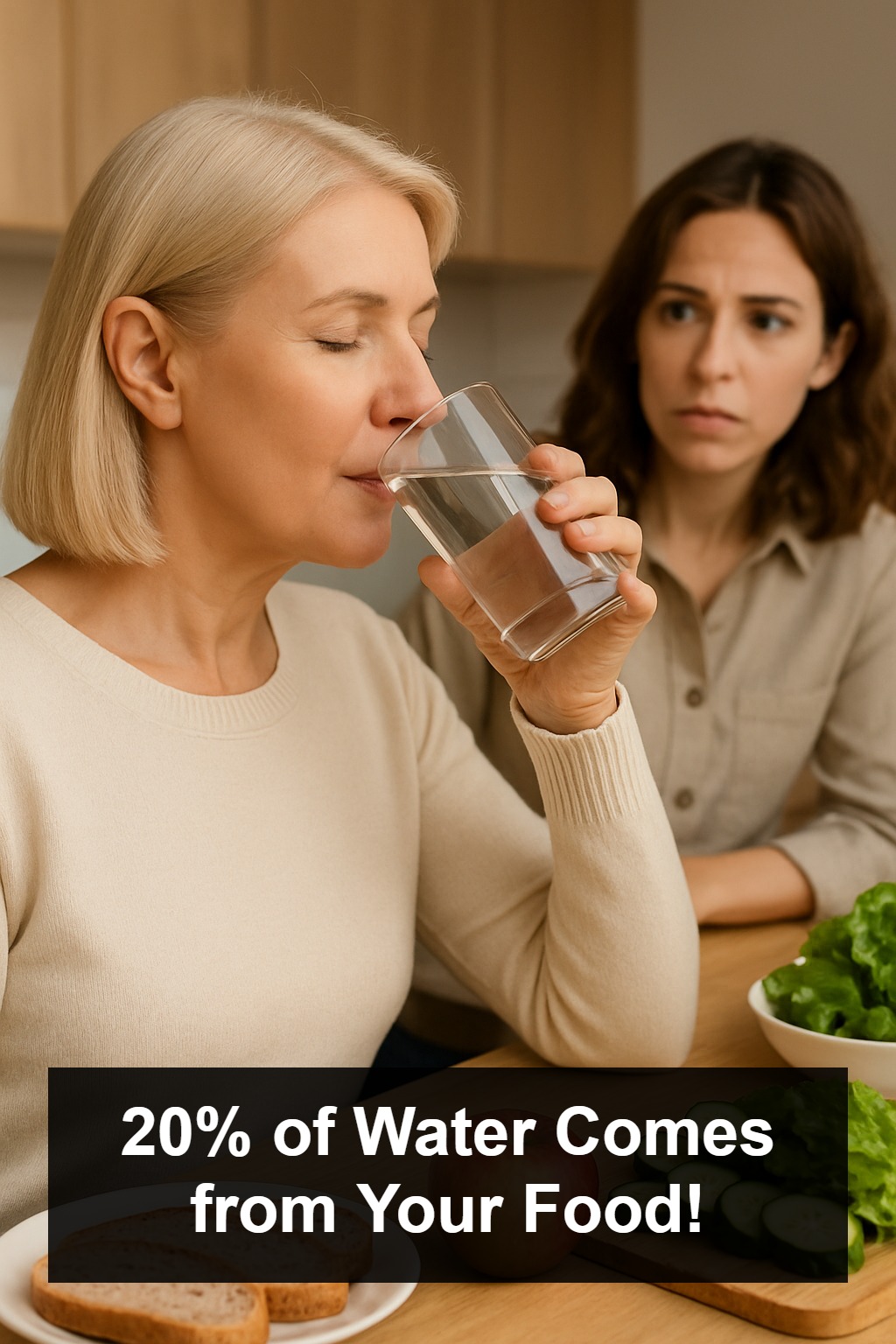
Interestingly, about 20% of that total amount comes from food. So – even if you think you’re not drinking enough, you might already be getting your share of water from soup, vegetables, or fruit.
What happens if you don’t hydrate in time?
When we’re thirsty, it means we’re already slightly dehydrated. It’s not just a dry mouth and feeling, it’s already a sign that your blood is getting thicker, your heart beats faster, and your brain doesn’t work quite as it should. Some studies show that just a 1–2% loss of body fluids affects our mood, concentration, and even memory.
At moderate temperatures and normal activity, an adult loses about 0.5 to 1 liter of fluid daily just by sweating. But if you run, exercise in the sun, or do physical work outdoors, these numbers quickly increase to a 3–4 liters fluid loss in a single hour! So it's often not enough to just drink when you're thirsty.
The body is water – literally!
Believe it or not, your body is, on average, made up of more than 60% water. For men, this figure is slightly higher, since they have more muscle mass (and muscles contain more water than fat), for women it’s a bit lower, but still high. Children are even more watery, their bodies can be made of up to 70% water!
And this tells us one thing: without water, the body doesn’t work. Just as a mill can’t run without a river, a person can’t function without fluids.
Foods that hydrate you
Folk wisdom says that summer salads are light not just because of the calories, but because they refresh the body. Science agrees:
Don’t like water? You’re not alone …
Tasteless water is almost like a punishment for some people. But luckily, there are natural ways to add some freshness:
Liquid isn’t just in the bottle, it’s also on your plate
Instead of forcing yourself to drink liters of water, try this:
A special tip for the elderly and children
Older people often don’t feel thirst as strongly as the younger ones. This means dehydration can hit them quickly and silently. For children, the problem is the opposite – they play, jump around, and forget to drink.
That’s why it’s extremely important to offer them liquids in a form they enjoy: real fruit juices, cold soup, fruit ice cubes, and even homemade frozen watermelon popsicles.
What do the studies say?
According to the European Food Safety Authority (EFSA), more than 20% of Europe’s population doesn’t reach the recommended daily fluid intake. The American CDC (Centers for Disease Control and Prevention) reports that one in three adults drinks less than 1 liter of water a day, which is far too little.
A study by Harvard University showed that even slight dehydration can reduce cognitive abilities by up to 25%, meaning you’ll think more slowly, forget more, and give up more quickly.
And one more interesting fact to end with …
Once, in Russia, they studied how people in arid regions replace lost water, and discovered that they prepare fermented milk with salt and herbs, which acts as a natural electrolyte. Similar drinks are also known in India and Persia – all with one goal: to refresh the body and replace lost fluids.
It’s worth remembering …
Summer is a time of joy, sun, fun, and activity. But it’s also a time when the body needs more care than usual. So don’t forget: fluids aren’t just in your glass, they’re also on your plate. Let your meals not only be tasty, but also refreshing. That way, you’ll take care of your health, your wellbeing, and your clarity – all at once.
Information on this website is for educational purposes only and is not medical advice.
In the summer months, it’s not wise to wait until you feel thirsty. The first signs that the body is lacking something aren’t always obvious – sometimes they come as a headache, tiredness or even irritability. And what do old grandmothers say? If you’re irritable, drink a glass of water: maybe you’re not grumpy, just thirsty.
How much water do you really need?
You’ve probably already heard that well-known advice: 8 glasses of water a day. But is that really enough? According to the American Institute of Medicine (IOM), an adult male should consume about 3.7 liters of fluid daily, and women about 2.7 liters. This means that on a summer day, the average man needs almost four 1-liter bottles of water, while a woman needs a little less.
Interestingly, about 20% of that total amount comes from food. So – even if you think you’re not drinking enough, you might already be getting your share of water from soup, vegetables, or fruit.
What happens if you don’t hydrate in time?
When we’re thirsty, it means we’re already slightly dehydrated. It’s not just a dry mouth and feeling, it’s already a sign that your blood is getting thicker, your heart beats faster, and your brain doesn’t work quite as it should. Some studies show that just a 1–2% loss of body fluids affects our mood, concentration, and even memory.
At moderate temperatures and normal activity, an adult loses about 0.5 to 1 liter of fluid daily just by sweating. But if you run, exercise in the sun, or do physical work outdoors, these numbers quickly increase to a 3–4 liters fluid loss in a single hour! So it's often not enough to just drink when you're thirsty.
The body is water – literally!
Believe it or not, your body is, on average, made up of more than 60% water. For men, this figure is slightly higher, since they have more muscle mass (and muscles contain more water than fat), for women it’s a bit lower, but still high. Children are even more watery, their bodies can be made of up to 70% water!
And this tells us one thing: without water, the body doesn’t work. Just as a mill can’t run without a river, a person can’t function without fluids.
Foods that hydrate you
Folk wisdom says that summer salads are light not just because of the calories, but because they refresh the body. Science agrees:
- Cucumbers are made of 95% water – almost like liquid in solid form!
- Watermelon, that summer sun among fruits, contains around 92% water and a bit of sugar for energy.
- Strawberries, celery, lettuce, spinach, zucchini, tomatoes, and peppers also contain more than 90% water.
- Oranges, apples, peaches, and pineapples have between 85–89% water.
- Dairy products like yogurt, cottage cheese, or skimmed milk surprisingly have lots of water too – between 75% and 85%.
- Many forget that even a cup of soup counts as a glass of water. So if you don’t like drinking plain water, have some soup more often.
Don’t like water? You’re not alone …
Tasteless water is almost like a punishment for some people. But luckily, there are natural ways to add some freshness:
- Let a slice of lemon, orange, or a strawberry float in your glass of water.
- Add some fresh mint – just like our ancestors in the Mediterranean did.
- Another real folk refreshment is cucumber water – a slice of cucumber and a few sprigs of dill help fight heat and bloating.
- Herbal teas are another natural way to get more fluids – especially if you cool them down and drink them as a natural iced drink. Mint, elderflower, chamomile, or linden are known helpers in times of heat and also for relieving tension.
Liquid isn’t just in the bottle, it’s also on your plate
Instead of forcing yourself to drink liters of water, try this:
- For breakfast, make a fruit smoothie from fresh peaches, yogurt, and a spoonful of honey.
- For a snack, grab some grapes or a handful of berries – there’s hardly a more natural way to hydrate.
- Lunch should include a big salad, maybe with chunks of watermelon or orange added – a real vitamin-packed water bomb.
- Dinner? A light vegetable soup that will refresh and calm you before you go to sleep.
A special tip for the elderly and children
Older people often don’t feel thirst as strongly as the younger ones. This means dehydration can hit them quickly and silently. For children, the problem is the opposite – they play, jump around, and forget to drink.
That’s why it’s extremely important to offer them liquids in a form they enjoy: real fruit juices, cold soup, fruit ice cubes, and even homemade frozen watermelon popsicles.
What do the studies say?
According to the European Food Safety Authority (EFSA), more than 20% of Europe’s population doesn’t reach the recommended daily fluid intake. The American CDC (Centers for Disease Control and Prevention) reports that one in three adults drinks less than 1 liter of water a day, which is far too little.
A study by Harvard University showed that even slight dehydration can reduce cognitive abilities by up to 25%, meaning you’ll think more slowly, forget more, and give up more quickly.
And one more interesting fact to end with …
Once, in Russia, they studied how people in arid regions replace lost water, and discovered that they prepare fermented milk with salt and herbs, which acts as a natural electrolyte. Similar drinks are also known in India and Persia – all with one goal: to refresh the body and replace lost fluids.
It’s worth remembering …
Summer is a time of joy, sun, fun, and activity. But it’s also a time when the body needs more care than usual. So don’t forget: fluids aren’t just in your glass, they’re also on your plate. Let your meals not only be tasty, but also refreshing. That way, you’ll take care of your health, your wellbeing, and your clarity – all at once.
Information on this website is for educational purposes only and is not medical advice.
Author:
Zvone Stor
expert, nutritionist
expert, nutritionist
 Would you like to be informed about news on the website?
Just enter your e-mail
Hydrating Foods
Dehydration Signs
Daily Fluid Intake
Fluid Loss
Importance of Water
Latest news


The Hidden Power of Cabbage: One Humble Kitchen Staple That Supports Your Health From Head to Toe
Read more >>

Why Do You Always Wake Up at the Same Time? Your Body Might Be Trying to Tell You Something
Read more >>

French Fries and Your Brain: What an 11-Year Study of 140,000 People Found About Fried Food and Mood
Read more >>

Selenium: The Tiny Mineral Your Body Can't Live Without — And Can Absolutely Have Too Much Of
Read more >>
A Spoonful of Coconut Oil on an Empty Stomach: The Quiet Morning Habit So Many People Swear By
Read more >>
Anemia on Your Plate: The Everyday Foods Quietly Helping — Or Sabotaging — Your Iron Levels
Read more >>

Why the Humble Egg Might Just Be Your Diet's Secret Weapon: 5 Reasons Nutritionists Keep Coming Back To
Read more >>

Yogurt, Banana or Citrus for Breakfast? Why Some "Healthy" Foods Can Backfire on an Empty Stomach
Read more >>
Interaktive Widgets:
|

