






Date: 06/06/2026 - GOOD TO KNOW
The Role of Carbohydrates in a Healthy Diet
AUTHOR:
Zvone Stor
expert, nutritionist
expert, nutritionist
Carbohydrates are often criticized, especially in times when low-carb diets are popular. However, carbohydrates are essential for our health and wellbeing.
Carbohydrates are natural compounds made up of carbon, hydrogen, and oxygen. They are found in many foods, such as grains, fruits, vegetables, and legumes. Their main function is to provide energy to our bodies, especially to the brain and muscles. When we consume carbohydrates, they are broken down in the body into glucose, which cells use as fuel.
Types of Carbohydrates
Carbohydrates are divided into simple and complex types.
Recommended Daily Intake
Experts recommend that carbohydrates constitute 45–60% of daily energy intake. For an adult, this means roughly 200–300 grams of carbohydrates per day, depending on physical activity and other factors.
The Role of Carbohydrates in the Body
Types of Carbohydrates
Carbohydrates are divided into simple and complex types.
- Simple carbohydrates
Simple carbohydrates, such as sugars found in sweets and sugary drinks, are quickly absorbed into the bloodstream, which causes a rapid spike in energy, but also a quick drop. This can lead to energy fluctuations and an increased craving for sweets. - Complex carbohydrates
Complex carbohydrates, which are found in whole grains, legumes, and vegetables, are digested more slowly, providing a steady release of energy. Additionally, they contain fiber, which is important for healthy digestion.
Recommended Daily Intake
Experts recommend that carbohydrates constitute 45–60% of daily energy intake. For an adult, this means roughly 200–300 grams of carbohydrates per day, depending on physical activity and other factors.
The Role of Carbohydrates in the Body
- Source of Energy
Glucose, derived from carbohydrates, is the main source of energy for the body. The brain, which makes up only 2% of body mass, uses as much as 20% of daily energy, mostly from glucose. - Energy Storage
The body stores excess glucose in the form of glycogen in the liver and muscles. This reserve is used during physical activity or when we do not consume enough food. - Support for Muscle Mass
Carbohydrates prevent the breakdown of muscle proteins for energy. Adequate carbohydrate intake is therefore important for maintaining muscle mass. - Digestive Health
Fiber, which is part of complex carbohydrates, promotes healthy digestion, prevents constipation, and helps regulate blood sugar.
Including Healthy Carbohydrates in the Diet
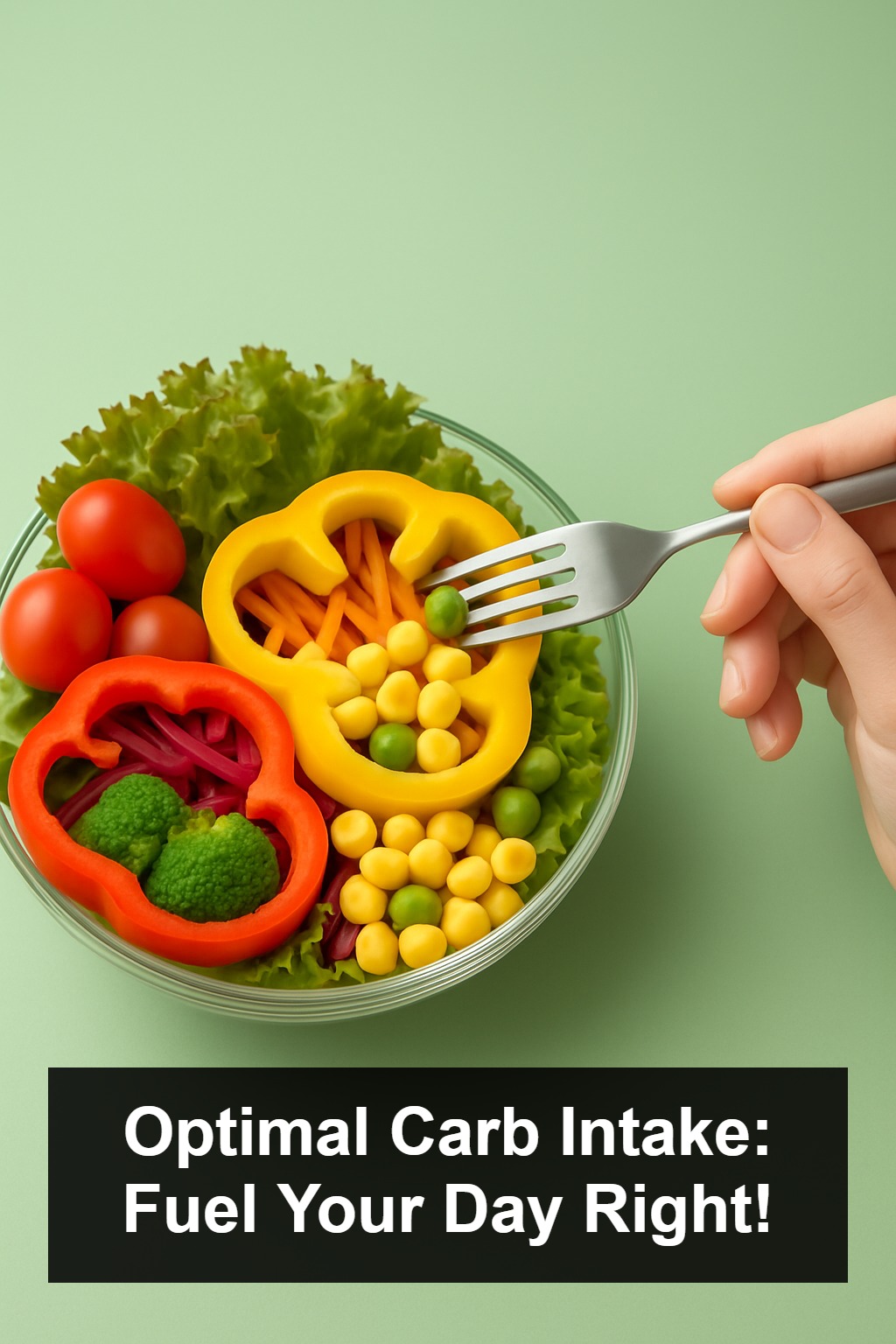
For optimal health, it is advisable to choose complex carbohydrates such as:- Whole grains (oats, brown rice, whole grain bread)
- Legumes (beans, lentils, chickpeas)
- Fruits and vegetables
These foods not only provide energy, but also important nutrients such as vitamins, minerals, and fiber.
Carbohydrates are essential for our health and wellbeing. Instead of eliminating them from our diet, we should focus on quality sources that support our body and mind. With a balanced approach, carbohydrates can become our allies on the path to better health.
Information on this website is for educational purposes only and is not medical advice. - Whole grains (oats, brown rice, whole grain bread)
Author:
Zvone Stor
expert, nutritionist
expert, nutritionist
 Would you like to be informed about news on the website?
Just enter your e-mail
Role of Carbohydrates in Diet
Types of Carbohydrates
Benefits of Complex Carbohydrates
Daily Intake of Carbohydrates
Healthy Sources of Carbohydrates
Latest news

Why Do You Always Wake Up at the Same Time? Your Body Might Be Trying to Tell You Something
Read more >>


French Fries and Your Brain: What an 11-Year Study of 140,000 People Found About Fried Food and Mood
Read more >>

Selenium: The Tiny Mineral Your Body Can't Live Without — And Can Absolutely Have Too Much Of
Read more >>

A Spoonful of Coconut Oil on an Empty Stomach: The Quiet Morning Habit So Many People Swear By
Read more >>


Anemia on Your Plate: The Everyday Foods Quietly Helping — Or Sabotaging — Your Iron Levels
Read more >>

Why the Humble Egg Might Just Be Your Diet's Secret Weapon: 5 Reasons Nutritionists Keep Coming Back To
Read more >>


Yogurt, Banana or Citrus for Breakfast? Why Some "Healthy" Foods Can Backfire on an Empty Stomach
Read more >>



Why the Scale Won't Budge, Even On a Diet: The Overlooked Mineral Almost Nobody Talks About
Read more >>


Interaktive Widgets:
|

