




Bread with Spread and Cellulite: Why This Popular Combo May Be One of the Worst Choices for Your Skin
expert, nutritionist
Did you know there is a food combination so closely tied to the problem of cellulite that some nutritionists only half-jokingly say it belongs on a "do not eat" list? What's more, it's the combination children love most, and the habits they build around it can follow them well into adulthood. To make the irony even greater, most adults can't resist it either.
Do you know what it is?
When a Reality Star Noticed the Connection
Kourtney Kardashian has spoken openly about why she steers clear of refined sugar. On her lifestyle website, as reported by People, she explained that sugar leaves her wanting more, does not give her lasting energy for workouts, and that she personally notices more cellulite after eating it. Her experience was later featured among seven celebrities who explained why they quit sugar, alongside Adele, Kate Hudson and others. One person's observation is not scientific proof, of course, but it echoes what many readers tell us: when the sweet snacks go, the skin often seems to change too.
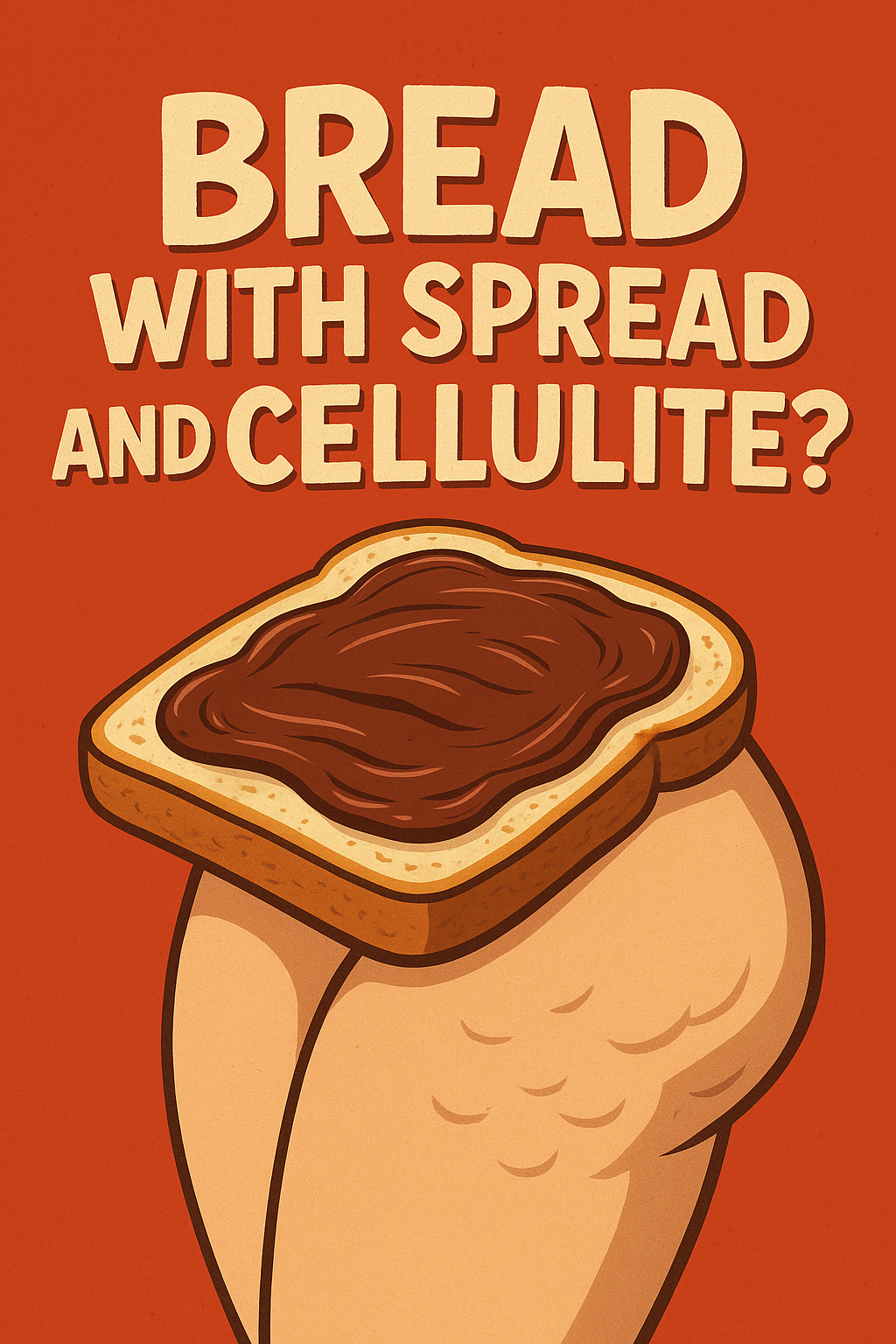
The Biggest Culprit: Bread with Spread
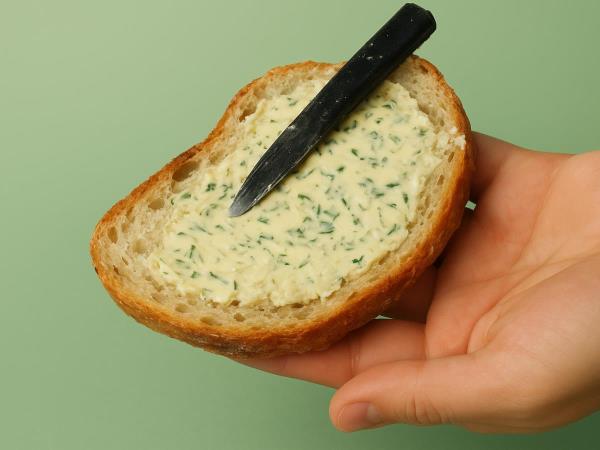
The biggest "troublemaker" is a slice of bread with spread, especially a sweet chocolate or hazelnut spread, or any other sugary topping. Beyond cellulite, frequent servings of this snack are often linked to a larger waistline, a problem we see in more and more children (and not only in girls, but in boys as well).
Why Is Bread with Spread a Problem?
Let's look at the actual numbers. A slice of commercial white bread contains only around 1.4 grams of sugar, according to USDA data summarized by Livestrong. However, it also contains roughly 13 to 15 grams of refined starch, which the body breaks down into glucose very quickly. In terms of blood sugar, that starch behaves much like sugar.
Now add the spread. According to the official nutrition information from Ferrero, Nutella contains 56.3 grams of sugar per 100 grams, or 8.4 grams in a single 15-gram portion. The catch is that very few people, and almost no children, stop at one level teaspoon. A generously covered slice easily carries 25 to 30 grams of spread, which means about 14 to 17 grams of sugar from the topping alone.
Put another way: two generously spread slices of white bread deliver around 55 grams of fast-digesting carbohydrates, roughly the equivalent of 14 sugar cubes. For comparison, the World Health Organization recommends that both adults and children keep free sugars below 10% of daily energy intake, ideally under 5%, which is about 25 grams (6 teaspoons) a day. A single sweet snack can use up most of that allowance before the school day even starts.
If you want to see how hidden sugars sneak into "harmless" everyday foods, take a look at Hello, and Fattening: Foods that Sabotage Your Diet.
What Does Sugar Have to Do with Cellulite?
Cellulite is not a disease. It is a very common cosmetic change that affects the large majority of women after puberty. It appears when fat cells beneath the skin push against the bands of connective tissue that anchor the skin to the deeper layers, creating the familiar dimpled, "orange peel" look. Genetics, hormones, age and body weight all play a role, and Healthline notes that the exact role of diet has not yet been thoroughly researched. Still, there are several reasons why nutrition experts point to sugary, refined snacks:
1. Extra calories become extra fat
Sweet spreads are dense in both sugar and fat, and white bread is easy to overeat. Regular surplus calories are stored as fat, and larger fat cells press harder against the connective tissue, which can make cellulite more noticeable. Weight gain is one of the factors most consistently associated with more visible cellulite.
2. Refined grains and the waistline
A study of 2,834 adults from the Framingham Heart Study, published in the American Journal of Clinical Nutrition, found that people who ate mostly whole grains had less visceral (deep belly) fat, while higher intake of refined grains was associated with more of it. Interestingly, the researchers observed that the benefits of whole grains seemed to fade when refined grain intake reached four or more servings a day, as reported by ScienceDaily. In other words, it's better to swap white bread for whole grain than to simply add more bread.
3. Sugar and collagen: the glycation effect
Collagen and elastin are the proteins that keep skin firm and elastic. When blood sugar is frequently high, sugar molecules can attach to these proteins and form so-called advanced glycation end products (AGEs). Dermatologist F. William Danby described in Clinics in Dermatology how this process cross-links collagen fibers and makes them harder to repair. A later review in Skin Therapy Letter, titled "Sugar Sag," linked glycation to reduced skin resilience. Most of this research focuses on skin aging in general rather than on cellulite specifically, but weaker, stiffer connective tissue is exactly the kind of change that may make dimpling easier to see.
4. Salty spreads and water retention
Cheese and cream spreads are not sugar bombs, but many of them are high in salt and saturated fat. A high salt intake can lead to fluid retention and puffiness, which nutrition experts note can temporarily make cellulite look more pronounced.
Why Children Deserve Extra Attention
Bread with a sweet spread is the classic after-school snack, and children often eat it several times a day. According to the WHO, sugar intake among children is much higher than among adults, ranging from about 12% of daily energy in countries such as Denmark, Slovenia and Sweden to nearly 25% in Portugal. Taste preferences formed in childhood tend to stick, so a child who learns that "snack time means something sweet" may carry that habit for years.
For more ideas on getting the morning off to a better start, read Why is it dangerous to eat these foods for breakfast.
What Readers Tell Us
A mother of two shared with us that her daughters used to eat chocolate spread on toast almost every afternoon. "I didn't think much of it until I read the label and did the math," she wrote. "We switched to whole-grain bread with cottage cheese and sliced strawberries, or nut butter with banana. The girls grumbled for a week, then forgot about it." She also noticed that she herself, after cutting back on her own evening "just one slice," felt fewer sugar cravings later in the day.
Another reader in her forties told us she had tried countless creams for the backs of her thighs. "What finally made a visible difference was the boring stuff: less sugar, less white bread, more walking and squats. It didn't disappear, but my skin looks smoother than it has in years."
Smarter Swaps for Your Bread Habit
You don't have to give up bread altogether. These simple changes can make a real difference:
- Choose whole-grain or sourdough bread. It contains more fiber, which slows the absorption of carbohydrates and keeps you full for longer.
- Add protein. Eggs, cottage cheese, hummus, tuna or a thin layer of unsweetened nut butter help keep blood sugar steadier.
- Use fruit for sweetness. Mashed banana, sliced strawberries or a sprinkle of cinnamon can replace sugary spreads.
- Watch the portion. If you do reach for a sweet spread, a thin layer on one slice is a treat; two thick slices is a sugar load.
- Move after eating. Even a short walk after a carbohydrate-rich snack can help your body handle the sugar. We wrote more about this in Too much sugar? No worries!
- Don't forget sleep. Poor sleep can increase cravings for sweet, starchy foods. Read more in When you sleep too little, your belly grows.
Thinking of switching to a "sugar-free" spread instead? It can help, but read the label carefully first. Our guide Sugar Is the New Fat - So What's the New Sugar? explains what sweeteners and sugar alcohols really do. And if you're curious which "healthy" choices aren't as innocent as they look, see Popcorn Beats Apples, and Sugar Beats Honey: 8 Nutrition Face-Offs That Flip Everything You Thought You Knew.
Can Anything Help from the Inside?
Beyond diet and exercise, there is some research on collagen supplements. In a double-blind, placebo-controlled study of 105 women published in the Journal of Medicinal Food, a daily dose of 2.5 grams of specific collagen peptides over six months was associated with a modest reduction in the degree of cellulite, mainly in normal-weight women. The results are encouraging but limited, and no supplement can replace a balanced diet, regular movement and a healthy weight.
The Bottom Line
A single slice of bread with spread won't change your skin overnight. But when this snack becomes a daily habit, for you or your children, the added sugar and refined carbohydrates add up quickly. Choosing whole-grain bread, adding protein and keeping sweet spreads as an occasional treat is one of the simplest ways to support a healthy weight and healthier-looking skin.
Remember this the next time you reach for that jar!
Information on this website is for educational purposes only and is not medical advice.
expert, nutritionist
 Would you like to be informed about news on the website?













|

