




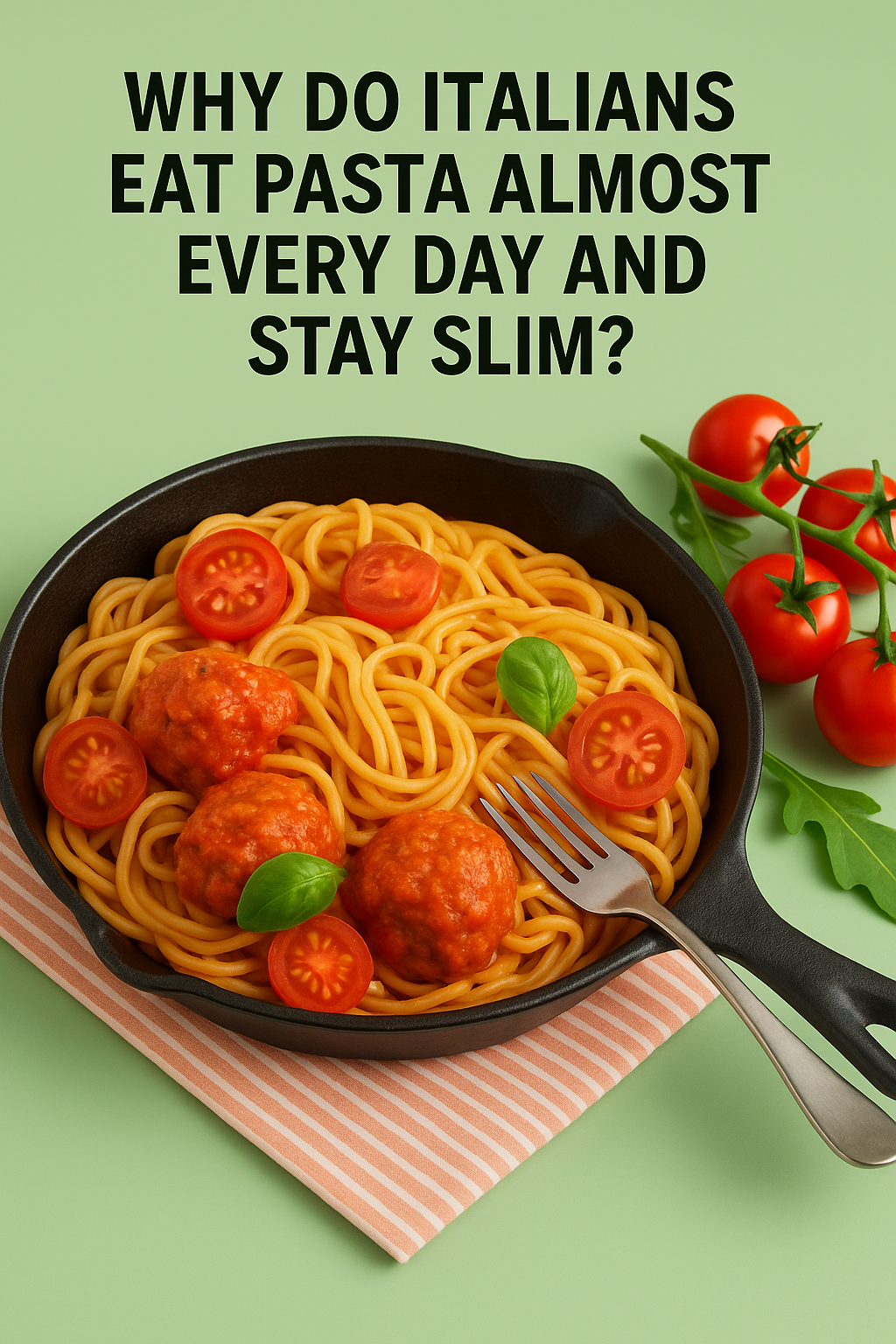


Why Do Italians Eat Pasta Almost Every Day and Stay Slim? Part of the Answer May Be a Simple Kitchen Trick
expert, nutritionist
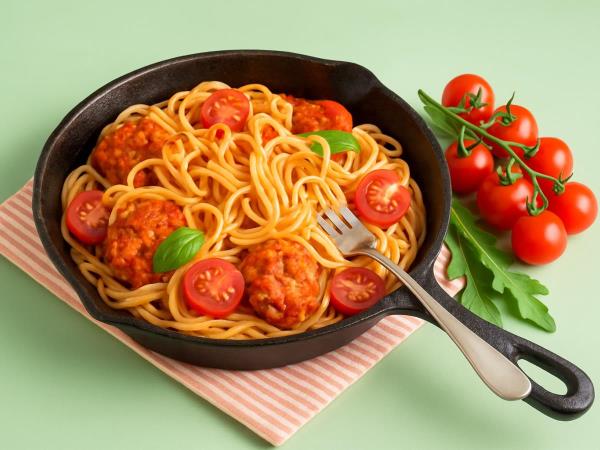
Yesterday's leftover spaghetti may be a smarter choice than a freshly cooked bowl. No counting, no giving anything up, just a different order of steps in your kitchen. When a British TV doctor tested this idea on volunteers, pasta lovers around the world took notice.
The doctor who put leftover pasta to the test
The late British doctor and science broadcaster Dr Michael Mosley, best known for his work on blood sugar and for popularising intermittent fasting, had a personal reason to care about carbohydrates. He spoke openly about being told that his blood sugar had reached the type 2 diabetes range, and he later described how changes to his diet helped him bring it back into a healthier range. He then spent years exploring how everyday food choices affect blood sugar.
One of his most talked-about experiments involved a humble plate of pasta. On the BBC Two series Trust Me, I'm a Doctor, broadcast by the BBC, volunteers ate pasta on three separate days: freshly cooked and hot, cooked and cold, and cooked, chilled and then reheated. Blood samples were taken every 15 minutes. As Mosley reported for BBC News, the cold pasta produced a smaller blood sugar spike than the freshly cooked pasta. The reheated pasta did even better. According to the reported results, the rise in blood sugar after the reheated pasta was roughly half that seen after fresh pasta.
It is important to keep this in perspective. This was a small television experiment, not a large clinical trial. Still, it sparked real scientific interest, and later peer-reviewed studies (more on them below) point in the same direction.
An acquaintance of ours discovered the effect by accident. She warmed up leftover lunchtime pasta in the evening and ate it with olive oil and fresh herbs. Because she uses a blood glucose monitor, she was surprised to see that the rise afterwards was barely noticeable. She began repeating the routine on purpose and kept seeing a gentler curve on her monitor. Of course, one person's experience is not proof, and everyone's response is different. But it is a nice example of how small kitchen habits can make a visible difference.
So why aren't Italians among Europe's heaviest nations?
Have you ever wondered why Italians, the people who gave the world pizza and pasta, are not among the heaviest nations in Europe? Italy is consistently among the world's biggest pasta eaters, at around 23 kg per person per year according to figures often cited by the International Pasta Organisation. Yet Eurostat data for 2025 show that only about 7% of Italian adults are obese, the lowest rate in the entire EU, compared with an EU average of 16.3%.
There is no single explanation. Italians traditionally eat moderate pasta portions as a first course, pair them with vegetables, legumes and olive oil, and follow a broadly Mediterranean way of eating. We explored this in Why are nutritionists all over the world paying attention to the Mediterranean diet. Still, Italian kitchens have a long tradition of reusing leftover pasta: baked pasta, pasta frittata and pasta salads made the day before. That habit may be one small piece of the puzzle.
Why pasta can cause a blood sugar spike, and how preparation changes it
Pasta's main carbohydrate is starch. In freshly cooked pasta, much of that starch is easily broken down into glucose, which enters the bloodstream fairly quickly. In response, the body releases insulin to move that glucose into cells. Large, frequent spikes are something many nutrition experts recommend keeping in check, especially for people who are watching their blood sugar.
The elegant twist is this: when cooked pasta is cooled, ideally overnight in the fridge, and then reheated, part of its starch rearranges into a tighter structure known as resistant starch. This process is called retrogradation. As Dr Denise Robertson of the University of Surrey explained, the body handles resistant starch more like dietary fibre. It digests slowly, and much of it travels to the large intestine, where it feeds beneficial gut bacteria instead of being absorbed as glucose. We described a similar effect in legumes in Peas that Mendel didn't know as medicine: the wrinkled variety hides the secret of stable blood sugar.
The science is growing:
- A randomised cross-over trial published in 2019 in the journal Foods found that blood sugar returned to fasting levels faster after reheated and cooled pasta than after freshly cooked hot pasta.
- A study published in 2024 in the journal Metabolites showed that cooling and reheating chickpea pasta roughly doubled its resistant starch content (from 1.83 g to 3.65 g per 100 g) and significantly lowered its glycaemic index in healthy adults, without changing its taste.
- An in-vitro investigation by researchers including Dr Denise Robertson found that pasta meals that were chilled overnight and reheated contained 40–44% more resistant starch than the same meals freshly cooked.
Prepared this way, pasta behaves a little more like slowly digested carbohydrate foods such as legumes or oats. It is also a good reminder that not all carbohydrates are equal, a topic we covered in 7 healthy carbohydrates you can eat without worry.
What about calories, and does adding fat help?
You may have seen claims online that this trick cuts the calories in pasta by half or more. That is an exaggeration. Resistant starch provides fewer usable calories than ordinary starch. But the amount that forms in pasta is only a few grams per serving, so the calorie difference is modest. Its real value lies in a gentler blood sugar response and in feeding your gut bacteria, not in dramatic weight loss.
Fat is an interesting part of the story. In 2015, researchers from Sri Lanka reported laboratory findings suggesting that cooking rice with a little coconut oil and then chilling it for 12 hours increased its resistant starch. Independent fact-checkers point out that the headline figures were never confirmed in human studies, and that oil itself adds calories. The University of Surrey team also tested pasta meals with different amounts of fat and still saw higher resistant starch after chilling and reheating. For everyday cooking, a spoonful of good olive oil is a welcome part of a Mediterranean-style plate, but think of it as flavour and healthy fat, not as a calorie eraser.
Good to know: dry whole-wheat pasta provides roughly 12–14 g of protein per 100 g, according to nutrient databases such as USDA FoodData Central. Combined with vegetables, legumes or lean protein, pasta can be a perfectly reasonable part of a balanced diet.
Quick summary: how to do it in practice
- Cook the pasta in boiling, lightly salted water until al dente. Overcooked pasta is digested more easily, even after chilling.
- Cool it safely. Let it cool for no more than an hour or so, then store it covered in the fridge, ideally overnight (12–24 hours). This is when most resistant starch forms.
- Reheat gently in a pan with a spoonful of olive oil, by steaming or in the microwave, until piping hot all the way through. Or enjoy it as a cold pasta salad. Eat refrigerated leftovers within a day or two, as food-safety bodies such as the UK Food Standards Agency advise for cooked starchy foods.
- Combine wisely. Add vegetables, legumes or lean protein, and swap heavy cream sauces for olive oil, garlic and fresh herbs. Whole-wheat or legume-based pastas give you extra fibre to start with.
As nutritionists often point out, what matters is not only the type of pasta, but above all how you prepare and serve it. Pasta with plenty of vegetables and healthy fats is an excellent choice, while cream sauces and generous handfuls of cheese can quickly double the calories on your plate. For more everyday foods experts recommend, see 10 Foods Nutritionists Swear By. And if a festive meal leaves you feeling you have overdone the sweets, you may find practical ideas in Too much sugar? No worries!
One final thought: refined, highly processed carbohydrates are worth limiting. But pasta prepared this way, served in sensible portions and paired with vegetables and olive oil, sits much closer to the slowly digested, nourishing foods that form the backbone of a healthy diet.
This article is for general information only and is not a substitute for personal medical advice. If you have diabetes or another health condition, talk to your doctor or a registered dietitian before changing your diet.
Italians have been enjoying yesterday's pasta for generations. Now you know why it may be worth doing the same.
Information on this website is for educational purposes only and is not medical advice.
expert, nutritionist
 Would you like to be informed about news on the website?










|

