


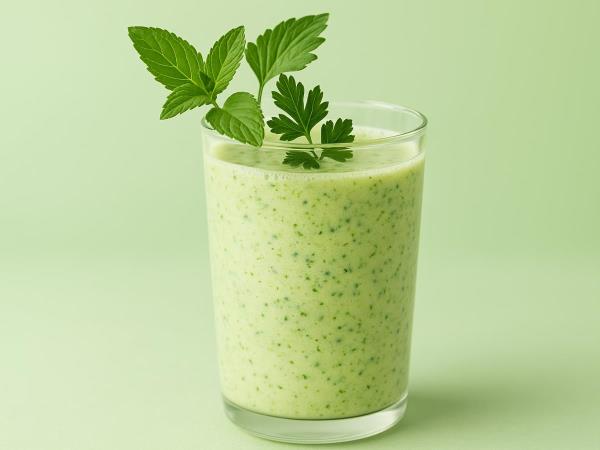


3 Yogurt Drinks for Weight Loss: A Simple Morning Ritual Almost Every Diet Recommends
expert, nutritionist
When Harvard researchers tracked the diets of more than 120,000 men and women for up to 20 years, one everyday food stood out. Among all the foods people ate more of, yogurt was linked to the least weight gain, more than fruit, nuts or whole grains. The findings were published in the New England Journal of Medicine and summarised by the Harvard School of Public Health. It was an observational study, so it can't prove that yogurt causes weight loss. Still, it's a good reason to take a second look at the humble pot sitting in your fridge.
Even royalty has experimented with morning vegetable drinks. Darren McGrady, personal chef to Princess Diana from 1993 until 1997, has recalled that Diana became a keen fan of juicing in the 1990s because she wanted to eat more healthily. When she asked him for pure beetroot juice, it didn't go well: she came back an hour later with a blotchy face, half-jokingly accusing him of poisoning her. The solution was simple. From then on, McGrady mixed the beetroot with apple juice, and she drank it happily (The Takeout). The lesson is still useful today: strong-flavoured vegetables are easier to enjoy, and easier on the body, when you blend them with something milder. Creamy yogurt is one of the best partners for exactly that job.
Why yogurt?
Yogurt is one of the most valued foods in a healthy diet. It provides protein, calcium, vitamin B12 and riboflavin, and the live cultures in it help support a balanced gut microbiome. That's why it shows up on almost every diet plan: it is mild, versatile and easy to combine with other ingredients. Protein also tends to keep us fuller for longer, which is one reason a yogurt-based drink can make it easier to avoid mid-morning snacking.
Choose plain, unsweetened yogurt. Flavoured versions often contain a surprising amount of added sugar, a point we also covered in Quick tricks for better health and a perfect body. If you notice a little liquid on top of your yogurt, stir it back in rather than pouring it off. That whey contains protein and minerals, as explained in Foods We Use Incorrectly.
To make the most of yogurt, here are three recipes that are traditionally enjoyed in the morning, ideally about half an hour before a proper breakfast.
A quick note: if your stomach is sensitive to acidic or spicy foods first thing in the morning, there's no need to drink these on an empty stomach. Having them with breakfast or right after it works just as well.
1. Parsley and cinnamon
Combine 1 tablespoon of finely chopped fresh parsley, half a teaspoon of cinnamon and 100 ml (just under half a cup) of plain yogurt. This combination is a refreshing, energising start to the day, and many people find that it helps keep their appetite in check until lunch. The only important thing is to let the mixture rest for at least an hour so the flavours can blend. You can also prepare it the day before and keep it covered in the fridge overnight.
Nutritionist's note: Parsley is a small herb with a big nutritional profile. It is rich in vitamin C and vitamin K and also contains iron. Read more in A garden herb that surpasses pork steak in iron content – and you most likely already have it at home. Go easy on the cinnamon, though. Common supermarket cinnamon is usually cassia, which contains coumarin. According to the German Federal Institute for Risk Assessment (BfR), an adult weighing 60 kg reaches the tolerable daily intake with roughly 2 g of cassia cinnamon a day. That's why we use half a teaspoon instead of a tablespoon here. If you plan to drink this every day, choose Ceylon cinnamon, which contains only small amounts of coumarin.
2. Beetroot and lemon
You'll need the juice of half a lemon and the same amount of freshly squeezed red beetroot juice. Mix both with 200 ml (about ¾ cup) of yogurt and drink it straight away. This vivid pink drink adds folate, vitamin C and naturally occurring nitrates to your morning, and like any light, protein-rich drink it can be a helpful part of a sensible weight management plan.
What does the research say? Beetroot has attracted a lot of scientific interest because of its nitrate content. The body converts nitrates into nitric oxide, a molecule that helps blood vessels relax. In a randomised, placebo-controlled study published in the journal Hypertension, researchers at Queen Mary University of London gave participants with high blood pressure 250 ml of beetroot juice a day for four weeks. They observed lower blood pressure readings and better blood vessel function compared with a nitrate-free beetroot juice. The study was funded by the British Heart Foundation.
The results are not uniform, however. A smaller Australian trial in people already taking blood pressure medication found no additional effect after one week. Our recipe also uses far less beetroot juice than these studies did. Think of it as a tasty way to eat more vegetables, not as a treatment. If you have high blood pressure, follow your doctor's advice.
Good to know: Don't be alarmed if your urine looks pinkish after drinking beetroot. This is a harmless and fairly common effect. Beetroot is also relatively high in oxalates, so people who are prone to kidney stones may want to enjoy it in moderation.
3. Tomato and garlic
The savoury option is a combination of tomato and garlic (one clove is enough). Add a tablespoon of olive oil and your favourite herbs, then blend everything with 300 ml (about 1¼ cups) of yogurt. Mix all the ingredients well first, adding fresh herbs such as basil, dill or chives to taste, and add the yogurt at the very end. The result resembles a light, chilled soup and makes a satisfying, low-sugar alternative to sweet breakfast drinks.
Nutritionist's note: The olive oil in this recipe does more than add flavour. Lycopene, the red pigment in tomatoes, is fat-soluble, so it is absorbed much better when it is eaten together with some fat. We explain this in more detail in The Kitchen Trick Your Body Is Begging You to Learn. A tip for the garlic: chop or crush it and let it sit for about ten minutes before blending, which allows its characteristic compound, allicin, to form (see Foods We Use Incorrectly). Raw garlic can be harsh on an empty stomach, so if it bothers you, drink this one with your breakfast.
A reader's experience
One of our readers, a woman in her fifties, told us she started making the tomato version on weekdays after realising that her "healthy" store-bought fruit smoothie was full of sugar. "It felt strange to drink something savoury in the morning," she admitted, "but after a week I noticed I wasn't reaching for biscuits at ten o'clock anymore." She didn't expect miracles, and that's exactly the right attitude. Small, consistent swaps like this tend to work best over time.
How to make this ritual work for you
- Keep it simple and consistent. One drink in the morning is enough. You don't need all three on the same day.
- Count it as food. These drinks contain calories. A 300 ml yogurt drink with olive oil is closer to a small meal than a beverage, so adjust your breakfast accordingly.
- Watch out for hidden saboteurs later in the day. A healthy morning drink won't balance out sugary snacks and oversized portions. Our article Hello, and Fattening: Foods that Sabotage Your Diet lists the usual suspects.
- Lactose-sensitive? Try lactose-free yogurt or kefir, which many people tolerate better.
- On medication? Parsley is rich in vitamin K. The amount in our recipe is small, but if you take blood-thinning medication such as warfarin, keep your intake of vitamin K–rich foods steady and talk to your doctor before making big changes (more on vitamin K from the NIH Office of Dietary Supplements).
None of these drinks is a magic fat burner, and no single food is. What they can do is make it easier to start the day with protein, probiotics and vegetables instead of sugar. Over weeks and months, that kind of small, enjoyable habit is often what makes the real difference.
Information on this website is for educational purposes only and is not medical advice.
expert, nutritionist
 Would you like to be informed about news on the website?











|

