




Eat an Apple Before Lunch and You May Eat Less: What the Research Shows
expert, nutritionist
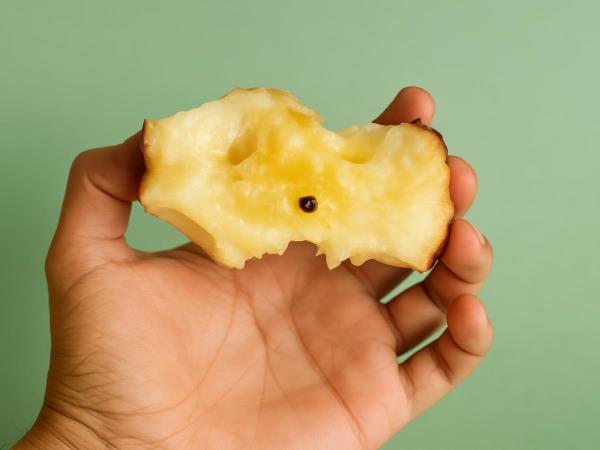
One crunchy apple, eaten at the right moment, was linked to eating about 15 percent less at lunch in one well-known study, and the participants did not report feeling hungrier. Sounds too simple to be true? Scientists at Penn State University in the United States ran an experiment in which participants ate a whole apple, applesauce or apple juice fifteen minutes before lunch, and the differences in how much they ate afterwards were surprisingly large. Those who ate the whole apple consumed about 15 percent fewer calories at lunch, including the apple itself, compared with those who ate nothing beforehand. That is roughly 187 calories less, about the same as a small bread roll. [1]
The idea has won over people far outside the laboratory. A bestselling American author and columnist described in a personal essay for Salon how he, a self-confessed lover of restaurant food, started eating an apple before every meal. He wrote that it did not stop him from enjoying steak, pizza or pasta, but that when the apple came first, he often finished only part of his main course instead of the whole plate.
A friend who has been active in sports and healthy eating for years once told me she was skeptical of this habit at first. "It seemed silly to me that a single apple could make that kind of difference," she said. "Then for a few weeks I ate an apple every day before lunch and noticed that I naturally didn't pile as much food on my plate as before. It wasn't about depriving myself. I simply felt full sooner." Many people who have tried this simple trick share similar experiences, and that is exactly why researchers keep coming back to it.
Why fruit before a meal works differently than we thought
It is true that fruit contains carbohydrates, including natural sugars. But in whole fruit these sugars come packaged together with water and fiber, which changes how the body handles them. Eating fruit at the start of a meal also gets the digestive process going and gives the body an early signal that a meal has begun.
The scientific explanation lies mainly in fiber, more specifically in pectin, a soluble fiber that apples contain in generous amounts. In the digestive tract, pectin forms a gel-like substance that slows the emptying of the stomach, which may help the feeling of fullness last longer. A whole apple also takes time to chew, giving the body more time to recognize fullness signals. On top of that, apples have a low energy density: a lot of volume for relatively few calories. A medium apple with the skin on provides roughly 4 grams of fiber, which is why it counts toward the daily fiber target that most adults fall short of, as we explained in more detail in our article The Secret Weapon Against Stubborn Weight: Is Fiber the One Thing Missing From Your Diet?
Interestingly, the form of the fruit matters. The study led by nutrition scientist Barbara Rolls of Penn State, published in the journal Appetite, found that the whole apple was linked to a greater reduction in calorie intake than applesauce, and that both did better than apple juice. Participants also rated their fullness highest after the whole apple, followed by applesauce, then juice. Adding fiber to the juice did not make it more filling. [1] In other words, chewing and the intact structure of the fruit seem to matter, not just the fiber content on paper.
Researchers from the National University of Malaysia reached a similar conclusion in a study on the sequence of fruit intake during a meal, published in the International Journal of Environmental Research and Public Health. In a small group of 17 young, healthy men, eating a red apple (120 g) before a meal was linked to higher satiety scores and an 18.5 percent (about 166 calories) lower energy intake at the following meal compared with eating no fruit. Eating the apple before the meal was also linked to a higher release of GLP-1, one of the body's key fullness hormones, than eating it after the meal. [2] The authors themselves note that larger and longer studies are needed to confirm these effects.
When and how much fruit to eat before a meal
In the studies above, the fruit was eaten about 15 to 30 minutes before the meal. This timing makes sense: it is commonly said that the brain needs around 20 minutes to register that the stomach is getting full, a point also made by Harvard Health Publishing in its article on eating slowly. Fruit eaten in advance gives this signal a head start, takes the edge off hunger and may help you approach the main course more calmly.
To start, a single apple before lunch is enough. Choose a whole, fresh apple and eat it with the skin on, since that is where much of the fiber is. Pears, berries or an orange can work in a similar way, but apples are the fruit most often used in research.
It is important to keep expectations realistic. Individual studies show that a whole apple before a meal may reduce energy intake at the next meal, but they do not tell us how many calories a person would save over the whole day, or what the long-term effect on body weight would be. Think of it as a small, enjoyable habit that supports mindful eating, not as a weight-loss method on its own.
What you eat first during the meal itself can also matter. Many nutritionists suggest starting with vegetables or salad rather than leaving them for the end, because fiber-rich foods at the start of a meal tend to fill you up and slow the arrival of starchy foods that follow.
What about the evening?
Many people try to carry the same trick over to dinner, and here a little more caution makes sense. Some types of fruit, especially in larger amounts late in the evening, may cause bloating or discomfort in sensitive people and make it harder to fall asleep comfortably. If you are prone to a puffy belly in the evening, take a look at our article Bloating Bothering You? 10 Foods That Bring Peace Back to Your Belly.
A note for people with diabetes
Fruit, including apples, contains natural sugars and can raise blood sugar levels, so people with diabetes may need a somewhat different approach. That does not mean giving up fruit altogether. Both the American Diabetes Association and experts at Harvard Health point out that fresh whole fruit, thanks to its fiber, can be part of a balanced diet for people with diabetes. They suggest favoring fruits with a lower glycemic index, such as apples, and, where possible, pairing them with protein or healthy fats, for example a few nuts. [3] If you would like a similar feeling of fullness with less impact on blood sugar, you can reach for vegetables instead of fruit, although you usually need to eat a bit more of them for a comparable effect. Anyone with diabetes or another metabolic condition should discuss the right amount and type of fruit with their doctor or a registered dietitian.
Related reading on Foodwhisper.com
- The Secret Weapon Against Stubborn Weight: Is Fiber the One Thing Missing From Your Diet?
- 10 Autumn Foods That Support Healthy Weight Loss and Help Your Body Prepare for Winter
- Breakfast: The Most Important Meal of the Day or a Myth That Refuses to Die? Science Has a Surprising Answer
- Bloating Bothering You? 10 Foods That Bring Peace Back to Your Belly
Sources:
[1] Flood-Obbagy, J. E., Rolls, B. J. (2009). The effect of fruit in different forms on energy intake and satiety at a meal. Appetite, 52(2), 416–422. PubMed; PubMed Central (full text)
[2] Abdul Hakim, B. N., Yahya, H. M., et al. (2019). Effect of Sequence of Fruit Intake in a Meal on Satiety. International Journal of Environmental Research and Public Health, 16(22), 4464. MDPI; PubMed Central
[3] Blood sugar-friendly fruits if you have diabetes. Harvard Health; Fruit. American Diabetes Association
Information on this website is for educational purposes only and is not medical advice.
expert, nutritionist
 Would you like to be informed about news on the website?















|

