






Why Roasted Tomatoes Beat Raw Ones: The Secret Is Lycopene
expert, nutritionist
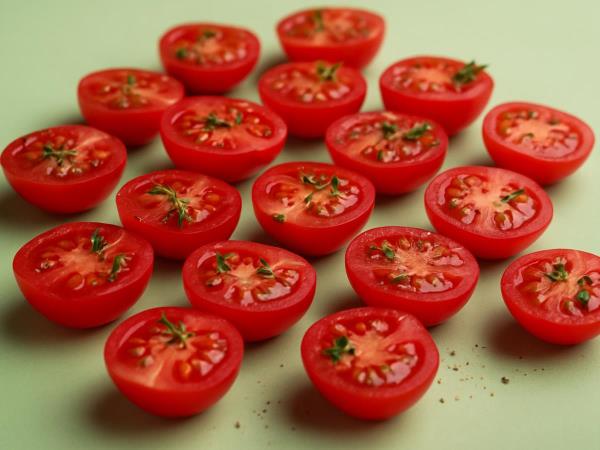
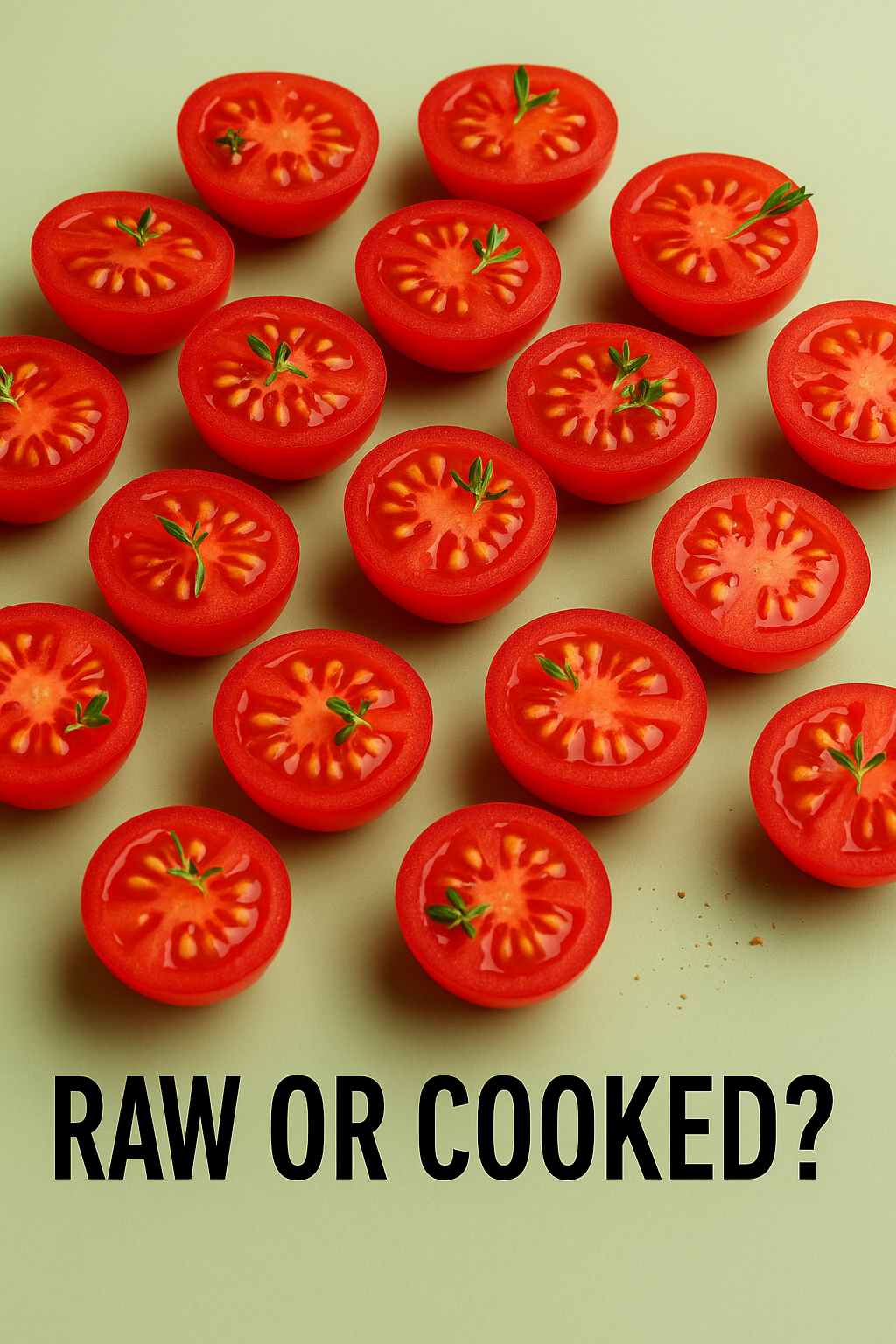
Here is a kitchen fact that surprises almost everyone: when it comes to tomatoes, the oven can be your best friend. Most fruits and vegetables lose some of their goodness when cooked, but the tomato plays by different rules. A few hours of gentle heat can make its most celebrated compound, lycopene, considerably easier for your body to take up. In other words, that tray of soft, caramelised tomatoes may give you more than the crisp raw slice in your salad.
Even one of the world's best-known home cooks swears by it. In her book Nigella Express, British food writer Nigella Lawson shares her "Moonblush Tomatoes": halved cherry tomatoes sprinkled with herbs, a little salt and a pinch of sugar, drizzled with oil and placed in a hot oven that is switched off straight away. The tomatoes are left to cook slowly in the residual heat overnight. Lawson notes that even disappointing tomatoes come out bright and intense this way, and when she shared the recipe with her Instagram followers, many replied that they had been making it happily for years. Our recipe below follows the same principle: low heat, plenty of time and a big reward in flavour.
Raw or Cooked? What the Research Says
We all know that tomatoes are rich in lycopene, the antioxidant pigment that gives them their deep red colour and that researchers have studied for its possible role in supporting long-term health. Yet surveys suggest we still eat more raw tomatoes than cooked ones. Not that raw tomatoes aren't healthy – they absolutely are – but in fresh tomatoes much of the lycopene is locked inside tough cell walls, in a form that our body finds harder to release and absorb.
Cooking changes that. A well-known study from Cornell University, published in the Journal of Agricultural and Food Chemistry (Dewanto et al., 2002), heated tomatoes at 88 {-15696}C for different lengths of time. As FoodNavigator reported, the content of trans-lycopene rose by up to 171 % and the overall antioxidant activity increased by up to 62 %, while vitamin C dropped by 10 to 29 %.
Absorption matters just as much as content. Researchers writing in the American Journal of Clinical Nutrition (Gärtner et al., 1997) found that lycopene from cooked tomato paste was noticeably more bioavailable than lycopene from fresh tomatoes. Concentration plays a part too: as nutrition experts quoted by the University of Illinois Department of Food Science and Human Nutrition explain, cooked tomatoes lose water, so one cup of cooked tomatoes contains roughly 7,300 micrograms of lycopene, compared with about 4,600 micrograms in a cup of raw tomatoes.
So while you may still read claims that cooked tomatoes are "ten times richer", the honest picture is this: cooked tomatoes generally provide more lycopene per serving, and your body absorbs it more easily. That is the main reason why roasted tomatoes deserve a regular place on your plate. If you would like to know which other foods behave the same way, read our article Food That Is Healthier Cooked Than Raw.
Why Olive Oil Makes a Difference
Lycopene is fat-soluble, which means it dissolves in fat rather than in water. Eating tomatoes together with a little healthy fat helps your body make the most of it. A study in The Journal of Nutrition (Unlu et al., 2005) showed that adding a fat source to a tomato-based salsa and salad significantly increased the absorption of lycopene and other carotenoids. That is why the drizzle of olive oil in this recipe is not just for flavour – it is part of what makes the dish work. Pairing the right ingredients is one of those small habits many of us overlook; you can find more examples in our article Foods We Use Incorrectly.
Large observational studies have also linked lycopene-rich diets with positive outcomes. For example, research from Finland published in Neurology (Karppi et al., 2012) found that men with the highest blood levels of lycopene had a lower risk of stroke, a finding also summarised by Harvard Health Publishing. Such studies show associations rather than direct cause and effect, so tomatoes are best seen as one tasty part of a varied, balanced diet – not as a remedy.
A Reader's Experience
One of our readers told us she used to buy pale supermarket tomatoes in winter and then throw half of them away because they tasted of nothing. "The first time I slow-roasted them, my kitchen smelled like an Italian trattoria," she wrote. "Now I make a tray every Sunday and use them all week – on toast, in pasta, with eggs. My kids, who never touched raw tomatoes, actually ask for them." It is a common story: slow roasting concentrates the natural sugars, so even average tomatoes become sweet and rich.
Slow-Roasted Cherry Tomatoes with Garlic and Basil
The recipe is simple, but the result is surprisingly rich.
Ingredients:
- 500 g cherry tomatoes
- 3 tablespoons extra virgin olive oil
- 2 garlic cloves, finely chopped
- a handful of fresh basil, chopped
- 1 sprig of rosemary (or 1/2 teaspoon dried)
- a pinch of sugar
- 1/2 teaspoon salt
Preparation:
Cut the cherry tomatoes in half and drizzle them with olive oil, finely chopped garlic and chopped basil. Add the rosemary, a little sugar and a little salt. Mix everything well, then arrange the tomatoes cut side up in a single layer on a baking tray lined with baking paper. Bake for 3 hours at 120 {-15696}C, then let the roasted tomatoes cool.
Tip: The tomatoes are ready when they have shrunk, their edges are slightly wrinkled and the centres are still soft and juicy. Smaller tomatoes may need a little less time, so check them after about two and a half hours.
How to Store and Serve Roasted Tomatoes
Tomatoes prepared this way can be stored in the fridge for a few days in a clean, airtight container. If you cover them with olive oil, always keep them refrigerated and use them within about four days, because homemade mixtures of garlic and oil should never be stored at room temperature. For longer storage, freeze them on a tray and then transfer them to a freezer bag.
Ideas for serving:
- on toasted sourdough bread with a little fresh cheese,
- stirred through warm pasta with a spoonful of their own cooking juices,
- alongside scrambled or fried eggs for breakfast,
- in salads with rocket and mozzarella,
- as a side dish for grilled fish, chicken or vegetables.
The Bottom Line
Raw tomatoes remain a valuable source of vitamin C, potassium and fibre, so there is no need to give them up. The smartest approach is to enjoy both: fresh tomatoes for their vitamins and roasted or cooked tomatoes for better access to lycopene. A tray of slow-roasted cherry tomatoes with garlic, basil and olive oil is an easy, delicious way to get the best of both worlds.
Information on this website is for educational purposes only and is not medical advice.
expert, nutritionist
 Would you like to be informed about news on the website?












|

