




Date: 04/22/2026 - GOOD TO KNOW
Foods Containing More Salt Than Chips
AUTHOR:
Zvone Stor
expert, nutritionist
expert, nutritionist
You probably know that excessive salt intake increases the risk of heart disease, high blood pressure, and other health problems. Nevertheless, most people still consume more salt than recommended. Why?
The average adult should consume no more than 2,300 mg of sodium per day (which equals about one teaspoon of salt); however, most people exceed this limit. For people over the age of 51, and for those with high blood pressure, diabetes, or kidney disease, the recommended limit is even lower—1,500 mg per day.?
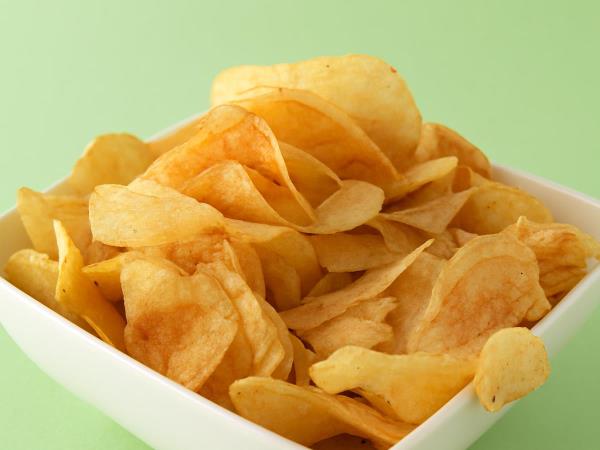
Although chips are often labeled a salty snack, there are many other foods that contain more salt than you might expect. For example, one serving of chips (approximately 30 grams) contains around 170 mg of sodium. However, some other foods that you might eat daily are even richer in sodium.?
Although salt is important for normal body function, excessive intake is associated with many health problems. Pay attention to hidden sources of sodium in your diet and try to choose fresh, less processed products. Check the labels on the packaging and be aware that even foods that do not taste salty can contain a lot of sodium.
Information on this website is for educational purposes only and is not medical advice.
Although chips are often labeled a salty snack, there are many other foods that contain more salt than you might expect. For example, one serving of chips (approximately 30 grams) contains around 170 mg of sodium. However, some other foods that you might eat daily are even richer in sodium.?
- Cornflakes
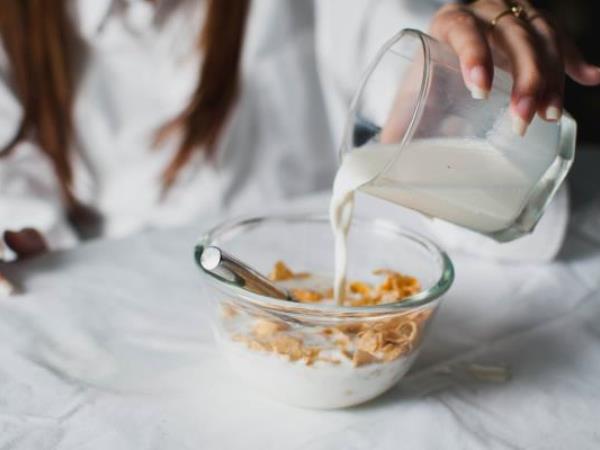
It may come as a surprise, but cornflakes contain quite a bit of sodium. One serving (approximately 42 grams) contains about 300 mg of sodium, which is more than the same amount of chips. - Tomato sauce
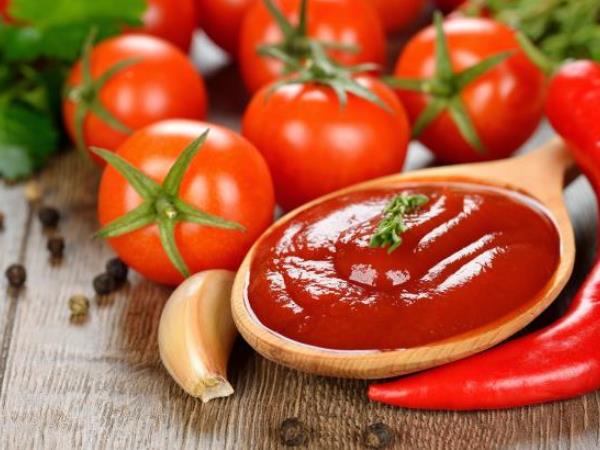
Tomato sauce is a commonly used ingredient in many dishes, but it can be a source of large amounts of sodium. A portion (about 65 grams) can contain more than 600 mg of sodium. It is advisable to prepare the sauce at home, as this way you can control the amount of added salt. - Bread
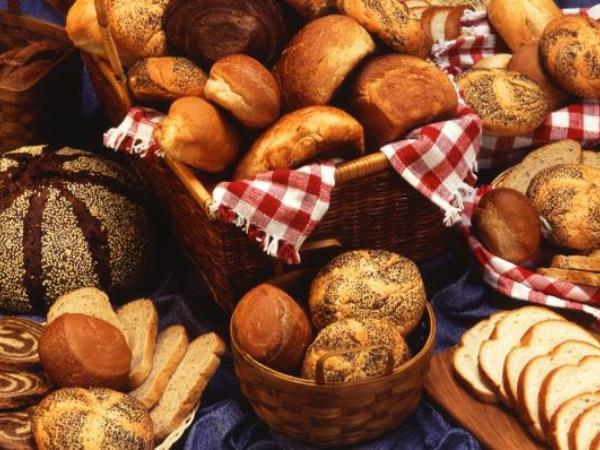
Bread is a staple food in many diets, but it can contain a surprising amount of sodium. A slice of bread can contain between 100 and 230 mg of sodium, depending on the type and manufacturer. Since bread is often consumed several times a day, the total amount of sodium intake can quickly increase. - Coffee with milk

While coffee itself does not contain much sodium, add-ins such as milk or sweeteners can increase the sodium content. For example, a cup of coffee with milk can contain about 35 mg of sodium. If you often drink coffee outside, pay attention to the add-ons that are added. - Canned vegetables
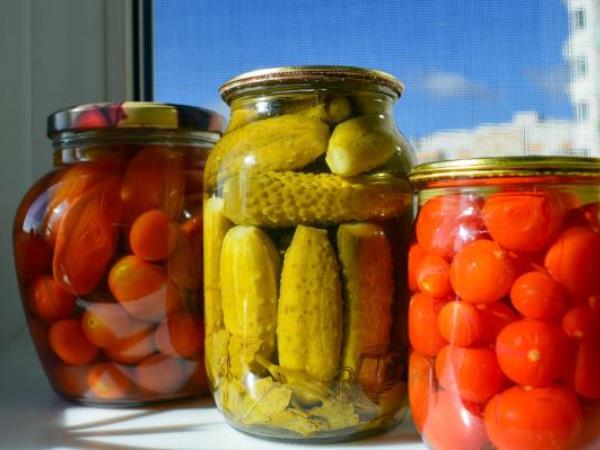
Canned vegetables are convenient, but often contain a lot of sodium, which is used as a preservative. For example, 30 grams of canned mixed vegetables can contain up to 255 mg of sodium. If possible, choose fresh or frozen vegetables without added salt. - Instant soups
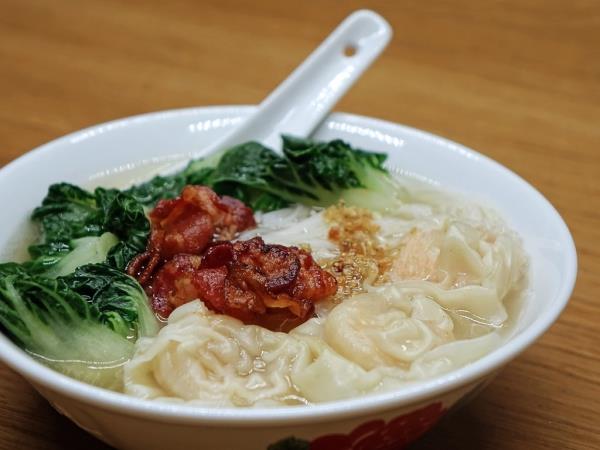
Commercially prepared soups are often rich in sodium. For example, one serving of chicken soup can contain from 900 to 1,600 mg of sodium. Preparing homemade soup allows you to control the amount of added salt. - Salty snacks
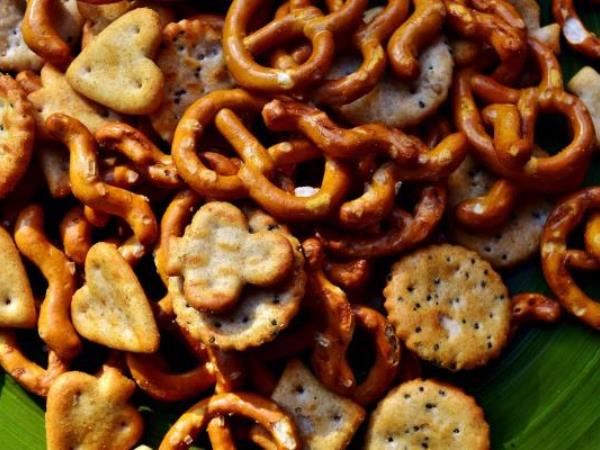
Salty snacks such as breadsticks can contain more sodium than chips. A serving (30 grams) can contain up to 440 mg of sodium. Although these snacks are often labeled as healthier, it is important to check the sodium content on the packaging. - Condiments
Various condiments such as ketchup, mustard, and hot sauces can significantly contribute to daily sodium intake. For example, 15 grams of ketchup contains about 167 mg of sodium, and the same amount of mustard contains around 150 mg. Hot sauces can contain even more sodium, depending on the brand.








Although salt is important for normal body function, excessive intake is associated with many health problems. Pay attention to hidden sources of sodium in your diet and try to choose fresh, less processed products. Check the labels on the packaging and be aware that even foods that do not taste salty can contain a lot of sodium.
Information on this website is for educational purposes only and is not medical advice.
Author:
Zvone Stor
expert, nutritionist
expert, nutritionist
 Would you like to be informed about news on the website?
Just enter your e-mail
Foods high in sodium
Excessive salt intake
Hidden sources of sodium
Health risks of high salt intake
Recommended daily sodium intake
Latest news

Why Do You Always Wake Up at the Same Time? Your Body Might Be Trying to Tell You Something
Read more >>

French Fries and Your Brain: What an 11-Year Study of 140,000 People Found About Fried Food and Mood
Read more >>
Selenium: The Tiny Mineral Your Body Can't Live Without — And Can Absolutely Have Too Much Of
Read more >>
A Spoonful of Coconut Oil on an Empty Stomach: The Quiet Morning Habit So Many People Swear By
Read more >>

Anemia on Your Plate: The Everyday Foods Quietly Helping — Or Sabotaging — Your Iron Levels
Read more >>
Why the Humble Egg Might Just Be Your Diet's Secret Weapon: 5 Reasons Nutritionists Keep Coming Back To
Read more >>

Yogurt, Banana or Citrus for Breakfast? Why Some "Healthy" Foods Can Backfire on an Empty Stomach
Read more >>



Why the Scale Won't Budge, Even On a Diet: The Overlooked Mineral Almost Nobody Talks About
Read more >>


Interaktive Widgets:
|

