


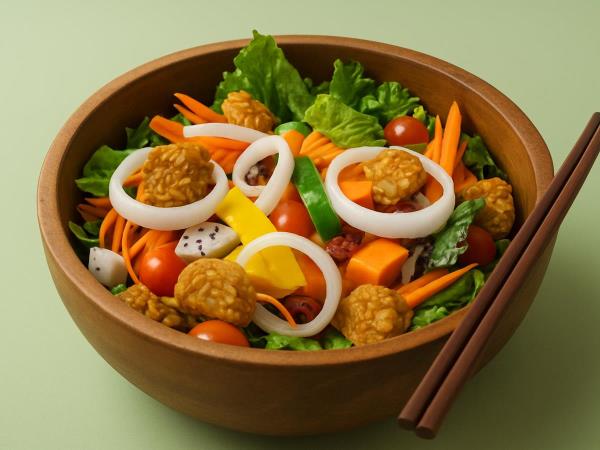


Date: 04/20/2026 - GOOD TO KNOW
The fastest diet in the world?
AUTHOR:
Zvone Stor
expert, nutritionist
expert, nutritionist
Does it really exist or is it just a myth? How many times have you read a headline online promising you’ll lose 5 kg in one week?
Sounds like a miracle, doesn’t it? And yet... Science has some very interesting answers. The diet that claims to be the fastest in the world is not necessarily dangerous or irresponsible if you approach it correctly – with knowledge, moderation, and respect for your body. Rapid weight loss is possible, but not through shortcuts, rather with smart decisions that you can start making today.
What does the fastest diet actually mean?
It’s a nutritional regimen that allows your body to start effectively losing fat without drastic deprivation. But beware: this is not about starvation, juice cleanses or miracle pills.
It’s based on a reduced intake of simple carbohydrates (these are the ones that quickly spike your blood sugar and then just as quickly make you hungry again), an appropriate amount of protein, healthy fats, and restricting calories – without dropping below 1,200 to 1,500 calories a day, which is the recommendation of most global health organizations for healthy weight loss.
Studies and data: Does rapid weight loss work?
A study published in the New England Journal of Medicine showed that people who lost more than 10% of their body weight in the first three months of a diet were no more prone to the yo-yo effect than those who lost weight more slowly. The key was that they maintained their new eating habits.
Another study from 2020, published in Obesity Reviews, reports that reducing daily carbohydrate intake to below 100g per day can lead to an average weight loss of 1–2 kg per week. Over the course of a month, this means 4 to 8 kilograms less – without starvation, just with properly composed meals.
How does the world’s fastest diet work in practice?
Start your day with a glass of warm water with lemon. This isn’t just an old saying – the citric acid in lemon stimulates your liver to cleanse your body, and the water ensures hydration in the morning, which is crucial for your metabolism. If you drink 2–3 glasses of water in the morning, your metabolism can speed up by as much as 30% – as confirmed by numerous Japanese studies.
Breakfast should include a source of protein and complex carbohydrates – for example, oatmeal with skimmed milk or yogurt, add a spoonful of flaxseeds for healthy fats and fiber. Instead of white bread, choose whole grain. If you like fruit, bananas are an excellent choice – they contain a lot of potassium, which supports your muscles and electrolyte balance.
Lunch should be based on proteins: fish, chicken, turkey, or tofu. Alongside, have plenty of vegetables – broccoli, spinach, peppers, cabbage – all these are low in calories, high in fiber, and help with feeling full.
Dinner should be light. Vegetable soup, salad with a spoonful of olive oil, a piece of grilled fish. And yes, if you feel hungry in the evening – rather prepare a cup of peppermint or chamomile tea. Your body doesn’t need more food, it just needs rest.
What to eat between meals?
If you’re hungry between meals, that’s not necessarily a bad thing – it means your metabolism is working. But instead of reaching for chips, we suggest smarter options: a handful of nuts, whole grain crackers, a slice of avocado or a bowl of fresh fruit. Avoid soft drinks, even diet ones – as studies show, artificial sweeteners can increase appetite.
Interesting fact: One study showed that those who drink three liters of water per day lose on average 2 kg more in a month than those who drink less. Water is literally the best weight loss tool!
Fats? Yes, but only the right ones
Many still believe that fat in your diet is the reason for excess body fat. But that’s not completely true. Your body needs fats – but healthy ones. Unsaturated fatty acids, found in nuts, seeds, fish, and avocado, help your body absorb vitamins and support brain function. Omega-3 fatty acids, found in salmon, tuna, and mackerel, have been proven to reduce inflammation and even help with weight loss.
Protein as the key to success
If you reduce your intake of carbohydrates, you must increase your protein. Why? Because your body uses more energy to digest them, and at the same time, you stay full longer. Eggs, lean meat, Greek yogurt, lentils, beans, tofu, and cottage cheese are excellent sources of protein. If you include them in every meal, you’ll reduce the urge for snacks.
And what do those who have tried this diet say?
Maja from Ljubljana, 34 years old, lost 6.2 kilograms in one month: I simply reduced bread, ate more vegetables and drank a lot of water. I wasn’t starving, but for the first time I felt lighter and had more energy.
Many people have similar experiences: without drastic measures, just with thoughtful changes in diet.
Let speed be your reward, not your goal
The fastest diet in the world really does exist – but not in the form of a miracle pill, rather as a result of wise decisions you can make every day. If you reduce simple sugars, increase protein intake, drink enough water, and avoid industrially processed food, you’ll notice results in just one week.
But don’t forget – the fastest diet is not the one that exhausts you, but the one that transforms you – slowly, permanently, and above all, healthily.
Information on this website is for educational purposes only and is not medical advice.
What does the fastest diet actually mean?
It’s a nutritional regimen that allows your body to start effectively losing fat without drastic deprivation. But beware: this is not about starvation, juice cleanses or miracle pills.
It’s based on a reduced intake of simple carbohydrates (these are the ones that quickly spike your blood sugar and then just as quickly make you hungry again), an appropriate amount of protein, healthy fats, and restricting calories – without dropping below 1,200 to 1,500 calories a day, which is the recommendation of most global health organizations for healthy weight loss.
Studies and data: Does rapid weight loss work?
A study published in the New England Journal of Medicine showed that people who lost more than 10% of their body weight in the first three months of a diet were no more prone to the yo-yo effect than those who lost weight more slowly. The key was that they maintained their new eating habits.
Another study from 2020, published in Obesity Reviews, reports that reducing daily carbohydrate intake to below 100g per day can lead to an average weight loss of 1–2 kg per week. Over the course of a month, this means 4 to 8 kilograms less – without starvation, just with properly composed meals.
How does the world’s fastest diet work in practice?
Start your day with a glass of warm water with lemon. This isn’t just an old saying – the citric acid in lemon stimulates your liver to cleanse your body, and the water ensures hydration in the morning, which is crucial for your metabolism. If you drink 2–3 glasses of water in the morning, your metabolism can speed up by as much as 30% – as confirmed by numerous Japanese studies.
Breakfast should include a source of protein and complex carbohydrates – for example, oatmeal with skimmed milk or yogurt, add a spoonful of flaxseeds for healthy fats and fiber. Instead of white bread, choose whole grain. If you like fruit, bananas are an excellent choice – they contain a lot of potassium, which supports your muscles and electrolyte balance.
Lunch should be based on proteins: fish, chicken, turkey, or tofu. Alongside, have plenty of vegetables – broccoli, spinach, peppers, cabbage – all these are low in calories, high in fiber, and help with feeling full.
Dinner should be light. Vegetable soup, salad with a spoonful of olive oil, a piece of grilled fish. And yes, if you feel hungry in the evening – rather prepare a cup of peppermint or chamomile tea. Your body doesn’t need more food, it just needs rest.
What to eat between meals?
If you’re hungry between meals, that’s not necessarily a bad thing – it means your metabolism is working. But instead of reaching for chips, we suggest smarter options: a handful of nuts, whole grain crackers, a slice of avocado or a bowl of fresh fruit. Avoid soft drinks, even diet ones – as studies show, artificial sweeteners can increase appetite.
Interesting fact: One study showed that those who drink three liters of water per day lose on average 2 kg more in a month than those who drink less. Water is literally the best weight loss tool!
Fats? Yes, but only the right ones
Many still believe that fat in your diet is the reason for excess body fat. But that’s not completely true. Your body needs fats – but healthy ones. Unsaturated fatty acids, found in nuts, seeds, fish, and avocado, help your body absorb vitamins and support brain function. Omega-3 fatty acids, found in salmon, tuna, and mackerel, have been proven to reduce inflammation and even help with weight loss.
Protein as the key to success
If you reduce your intake of carbohydrates, you must increase your protein. Why? Because your body uses more energy to digest them, and at the same time, you stay full longer. Eggs, lean meat, Greek yogurt, lentils, beans, tofu, and cottage cheese are excellent sources of protein. If you include them in every meal, you’ll reduce the urge for snacks.
And what do those who have tried this diet say?
Maja from Ljubljana, 34 years old, lost 6.2 kilograms in one month: I simply reduced bread, ate more vegetables and drank a lot of water. I wasn’t starving, but for the first time I felt lighter and had more energy.
Many people have similar experiences: without drastic measures, just with thoughtful changes in diet.
Let speed be your reward, not your goal
The fastest diet in the world really does exist – but not in the form of a miracle pill, rather as a result of wise decisions you can make every day. If you reduce simple sugars, increase protein intake, drink enough water, and avoid industrially processed food, you’ll notice results in just one week.
But don’t forget – the fastest diet is not the one that exhausts you, but the one that transforms you – slowly, permanently, and above all, healthily.
Information on this website is for educational purposes only and is not medical advice.
Author:
Zvone Stor
expert, nutritionist
expert, nutritionist
 Would you like to be informed about news on the website?
Just enter your e-mail
Fastest diet in the world
Rapid weight loss
Healthy weight loss
Smart dieting
Protein and weight loss
Latest news

Why Do You Always Wake Up at the Same Time? Your Body Might Be Trying to Tell You Something
Read more >>


French Fries and Your Brain: What an 11-Year Study of 140,000 People Found About Fried Food and Mood
Read more >>
Selenium: The Tiny Mineral Your Body Can't Live Without — And Can Absolutely Have Too Much Of
Read more >>
A Spoonful of Coconut Oil on an Empty Stomach: The Quiet Morning Habit So Many People Swear By
Read more >>
Anemia on Your Plate: The Everyday Foods Quietly Helping — Or Sabotaging — Your Iron Levels
Read more >>

Why the Humble Egg Might Just Be Your Diet's Secret Weapon: 5 Reasons Nutritionists Keep Coming Back To
Read more >>


Yogurt, Banana or Citrus for Breakfast? Why Some "Healthy" Foods Can Backfire on an Empty Stomach
Read more >>



Why the Scale Won't Budge, Even On a Diet: The Overlooked Mineral Almost Nobody Talks About
Read more >>


Interaktive Widgets:
|

