





Honey Is Healthy – But Only Up to a Point: How Much Can You Eat a Day Without Overdoing It?
expert, nutritionist
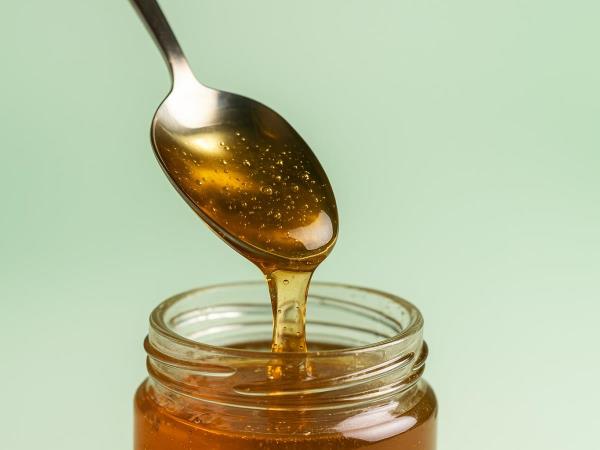
Here is a surprise for anyone who spoons honey into their tea with a clear conscience: a teaspoon of honey actually contains more calories than a teaspoon of white sugar. Honey has a lovely reputation as nature's healthy sweetener, and in many ways it is a better choice than refined sugar. But "better" does not mean "unlimited". Nutritionists generally recommend no more than one to two teaspoons of honey a day. The good news: used as a replacement for sugar, honey can be a positive step for your diet. Just don't overdo it.
The world's best tennis player starts his day with honey
Few athletes are as obsessive about food as Novak Djokovic. In his book Serve to Win, the Serbian champion described his morning routine: first a glass of water, then two spoonfuls of honey, every single day, preferably New Zealand manuka honey. He also eats a teaspoon or two during matches for quick energy. Djokovic openly acknowledges that honey is sugar, but he treats it as a measured, deliberate source of fuel rather than something to pour freely over everything.
Not every expert was convinced that manuka honey gives him any special advantage. The late Dr Peter Molan of the University of Waikato, one of the best-known honey researchers, told the Wall Street Journal that any effect from eating it would likely be diluted in the body. Still, Djokovic's habit shows the key point of this article perfectly: a small, fixed amount of honey, not an open jar.
Too much honey is no better than too much sugar
Overdoing honey is not good for you, just as overdoing sugar is not good for you.
Honey consists mainly of glucose and fructose. According to USDA FoodData Central, a tablespoon of honey (about 21 g) provides roughly 64 calories and about 17 grams of sugar. Because honey is denser than granulated sugar, the same spoon holds more of it. Nutrition scientist Dr Alan Barclay of the Glycemic Index Foundation notes that a level teaspoon of honey provides around 23 calories, compared with about 16 calories in a teaspoon of table sugar.
That is also why the World Health Organization counts honey among "free sugars", together with table sugar, syrups and fruit juices. Its 2015 guideline, reported in the BMJ, recommends keeping free sugars below 10% of daily energy intake, and ideally below 5%. For a typical adult, that ideal works out to roughly 25 grams, or about six teaspoons, per day.
The "body weight" rule of thumb
An unwritten rule among nutritionists says that many people eat about as many grams of sugar a day as they weigh in kilograms. If you weigh 60 kilograms, everyday eating patterns suggest you may be consuming around 60 grams of sugar a day. That is far from ideal. It is more than double the lower target suggested by the WHO.
The American Heart Association's scientific statement, published in the journal Circulation, sets a similar benchmark: no more than about 6 teaspoons (25 g) of added sugar a day for most women and about 9 teaspoons (36 g) for most men.
It is true that today it is hard to avoid sugar. It hides in bread, sauces, yoghurts, breakfast cereals and drinks, and we really have to make an effort if we want to reduce how much we consume. If you want a quick reality check on where hidden sugar sneaks into your day, read Hello, and Fattening: Foods that Sabotage Your Diet and Why is it dangerous to eat these foods for breakfast.
A realistic step-by-step swap
Simply replacing some sugar with honey is already a success. That is why nutritionists suggest that your goal should be to reduce your total sugar intake, while gradually letting part of the sweetness you keep come from honey instead of white sugar.
A practical way to approach it:
- Step 1: Halve the sweetener. If you currently add two teaspoons of sugar to your coffee or tea, try one teaspoon of honey instead. Honey tastes sweeter and has more flavour, so most people find they need less of it.
- Step 2: Swap, don't stack. Honey should replace sugar, not be added on top of it. Honey on toast plus a sweetened yoghurt plus a soft drink quickly adds up.
- Step 3: Count the total. One to two teaspoons of honey adds roughly 6–12 grams of sugar. That fits comfortably into the daily limits above, as long as the rest of your day isn't full of hidden sugars.
Once you reach a better balance, you may find it easier to keep your weight stable, your energy steadier and your cravings calmer. Lower sugar intake is also linked to better dental health, since all sugars, honey included, feed the bacteria that contribute to tooth decay. Each person responds differently, but small, steady changes tend to be the ones that last.
And one more tip worth following...
Many people find that honey gives them a pleasant feeling of satisfaction, so a gentle routine can work well. Dissolve a teaspoon of honey in a cup of lukewarm (not hot) water and drink it in the morning; it doesn't have to be on an empty stomach. In the afternoon, try to hold back on sweets, and then drink another cup about half an hour before bed. This way you give your body a small, measured amount of energy, rather than random sugar spikes throughout the day.
Two practical notes from a nutritionist's point of view:
- Mind your teeth. If you enjoy a honey drink before bed, rinse your mouth with water or brush your teeth afterwards, so the sugar doesn't linger overnight.
- Keep it lukewarm. Very hot water won't make honey harmful, but many people prefer warm water to preserve its delicate flavour and aroma.
If you like warm morning drinks, you might also enjoy Warm Water with Turmeric Against Winter Troubles. For more honey-based home rituals for the colder months, see Three Ingredients That Soothe a Scratchy Throat: Why a Spotty Banana Is More Than Just Fruit and Three Ingredients, One Habit: The Russian Folk Drink Even Tibet Adopted.
Where honey really shines: a soothing spoonful for coughs
One area where honey has genuine research support is soothing a cough. A Cochrane systematic review on honey for acute cough in children concluded that honey probably relieves cough symptoms better than no treatment or a placebo. It may work about as well as some common over-the-counter cough ingredients. The evidence is limited, though, since most children in the studies received honey for only one night.
Who should be extra careful
- Babies under 12 months should never be given honey, not even a taste. Their digestive system is not yet ready to handle it safely.
- People managing blood sugar, for example those with diabetes, should treat honey exactly like any other sugar and discuss sweeteners with their doctor or dietitian.
- Anyone watching their weight should remember that honey is more calorie-dense than table sugar spoon for spoon.
The bottom line
Honey is a delicious, natural sweetener with a rich flavour and a long tradition in kitchens around the world. Used instead of white sugar, and kept to about one or two teaspoons a day, it can be part of a balanced, enjoyable diet. The secret, as with Djokovic's morning spoonfuls, is not whether you eat honey, but how much. For more on everyday foods we often misuse, read Foods We Use Incorrectly.
Information on this website is for educational purposes only and is not medical advice.
expert, nutritionist
 Would you like to be informed about news on the website?











|

