





Ajvar: The Humble Spread Made From a Vegetable With More Vitamin C Than an Orange – And That's Not All
expert, nutritionist
Here is a fact that surprises almost everyone: gram for gram, a raw red bell pepper contains more than twice as much vitamin C as an orange. According to the USDA FoodData Central database, 100 grams of raw red pepper provides around 128 mg of vitamin C, while the same amount of orange provides about 53 mg. And what is ajvar made of? Mostly red peppers. That alone makes this humble Balkan spread far more interesting than the jar in the back of the pantry suggests.
Ajvar even has a world-famous fan. When Food & Wine asked tennis champion Novak Djokovic which Serbian foods he wishes more people knew about, he named sarma and ajvar, the roasted red pepper condiment. That is quite a recommendation from an athlete known for paying careful attention to everything on his plate. A reader of ours had a similar experience. Every autumn she helps her mother roast crates of peppers in the yard, the whole street smelling of charred skins. "We never bought spreads for winter," she told us. "There was always ajvar, and somehow it went with everything: eggs, beans, grilled fish, even plain potatoes."
There are many recipes for good ajvar, and each one stands out in some small way, but all of them have one thing in common: thanks to the ingredients it is made from, ajvar brings a range of nutrients to the table. Its vegetable fiber can contribute to normal digestion and regular bowel movements as part of a balanced diet. Some people like the spicy version best, and it can be a lively addition too, as long as your stomach tolerates chili well.
A Spread With Deep Roots
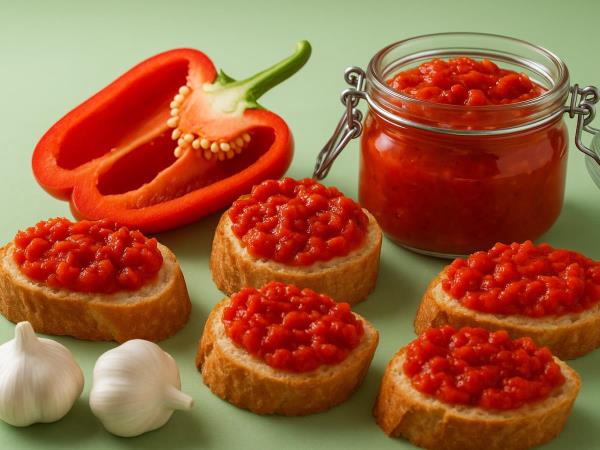
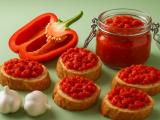
Ajvar is a traditional relish of the Balkans, made in Serbia, North Macedonia, Bosnia and Herzegovina, Croatia, Slovenia and Albania. Its name is thought to come from the Turkish word havyar, meaning caviar, which is why it is still affectionately called "vegetable caviar." Macedonian ajvar has carried a protected designation of origin under the Lisbon Agreement since 2010. The basic recipe is simple: red peppers are roasted, peeled, minced and slowly cooked with oil and salt; many families also add roasted eggplant and garlic.
Plenty of Vitamin C – With One Important Caveat
Ajvar is made from peppers, so it is no surprise that its main ingredient is a vitamin C champion. Raw red peppers contain more vitamin C than lemons, oranges or most other citrus fruits. Vitamin C contributes to the normal function of the immune system, helps the body form collagen and improves the absorption of iron from plant foods, according to the NIH Office of Dietary Supplements.
As a nutritionist, however, I have to be honest: vitamin C is sensitive to heat, oxygen and long storage. A study published in Preventive Nutrition and Food Science found that roasting and stir-frying preserved much more vitamin C in red peppers than boiling or steaming. Researchers at the University of Belgrade recorded only a small loss when peppers were roasted on the hob, but a loss of roughly two-thirds when they were fried in oil for 15 minutes. And research in the International Journal of Food Sciences and Nutrition showed that even stored red peppers gradually lose part of their vitamin C. So a jar of ajvar that has been cooked for hours and kept for months will contain noticeably less vitamin C than a fresh pepper. It is still a welcome contribution, but if you want the full vitamin C bonus, pair ajvar with a few strips of raw pepper on the side.
If you can, try a spoonful of ajvar next to your soft-boiled egg in the morning instead of an extra slice of white bread. You will add color, flavor and vegetables to your breakfast. For more ideas on how to start the day well, read Why is it dangerous to eat these foods for breakfast.
A Good Source of Provitamin A
It is common knowledge that orange and red foods are rich in carotenoids, the plant pigments the body can partly convert into vitamin A. Red peppers are full of beta-carotene, beta-cryptoxanthin and capsanthin, the pigment that gives ajvar its deep red color. Vitamin A plays a role in normal vision, healthy skin and the normal functioning of the immune system, and researchers continue to study how good vitamin A status relates to resistance against common respiratory infections.
Here, ajvar actually has a small advantage over raw peppers. Carotenoids are fat-soluble, and studies such as the well-known salad-dressing trial published in the American Journal of Clinical Nutrition have shown that the body absorbs them better when they are eaten with some fat. The oil in ajvar and the heat that softens the pepper's cell walls may make these pigments easier to absorb.
B Vitamins, Folate and Minerals From Peppers and Eggplant
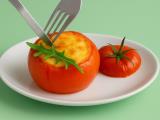
Peppers also supply vitamin B6 and folate, while the eggplant used in many ajvar recipes contributes small amounts of potassium, manganese and additional fiber. Eggplant is not a vitamin powerhouse on its own, but it gives ajvar its creamy texture and helps make the spread more filling. Together, these vegetables make ajvar a more nutrient-dense choice than most spreads made mainly of fat or sugar. If you love peppers in other forms, try our Stuffed Peppers with Cottage Cheese: A Simple Dish That Wins on Color and Flavor, where the peppers are baked only briefly to preserve more of their vitamin C.
Fiber for Comfortable Digestion
The fiber in roasted vegetables adds bulk and helps stool retain water, which supports regular bowel movements. According to the Harvard T.H. Chan School of Public Health, most adults eat far less fiber than the recommended 25–30 grams a day, and a large review published in The Lancet associated higher fiber intake with better long-term health outcomes. A few spoonfuls of ajvar will not cover your daily needs alone, but it is an easy way to add more vegetables to meals that would otherwise contain none. Drink enough water as well, since fiber works best with adequate fluids. If you are prone to a heavy, bloated feeling, you might also find useful tips in Get Rid of Bloating and Excess Water.
Low in Calories – But Not Calorie-Free
A very important feature of any good spread is that it is light. Ajvar is far lighter than butter, mayonnaise or chocolate spreads, but it would not be fair to say it contains no calories. Most of its energy comes from the oil used during cooking. Depending on the recipe, one tablespoon of ajvar typically provides roughly 15–25 kcal, compared with around 100 kcal in a tablespoon of butter. Peppers for ajvar are usually roasted first and then cooked slowly in oil, so homemade versions with a generous pour of oil will be richer than lighter, mostly vegetable versions.
Two more things worth checking on the label of store-bought ajvar: salt and added sugar. Some commercial brands contain more of both than you would expect. The World Health Organization recommends that adults eat less than 5 grams of salt a day, so choose versions with a short ingredient list and moderate sodium.
Is Spicy Ajvar Even Better?
Hot ajvar gets its kick from capsaicin, the compound in chili peppers that researchers are studying for its possible effects on metabolism and appetite. The results so far are modest, so think of spicy ajvar as a flavor choice rather than a health shortcut. If you have a sensitive stomach, reflux or irritable bowel, the mild version is usually the more comfortable option.
What Does This Mean for You?
This autumn, try to make ajvar a regular guest on your table, ideally in place of heavier spreads rather than in addition to them. A few spoonfuls a day fit comfortably into a balanced diet. Some ideas:
- Serve it next to eggs, beans, lentils or grilled fish instead of a creamy sauce.
- Spread it on wholegrain bread or crispbread instead of butter.
- Stir a spoonful into soups, stews or cooked grains for color and depth.
- Use it as a dip for raw vegetables, so you get the fresh vitamin C of raw peppers too.
- Combine it with other warming winter habits, such as those described in Warm Water with Turmeric Against Winter Troubles.
Some people enjoy ajvar straight from the spoon, and once you taste a good homemade jar, you will quickly understand why it was one of our grandmothers' favorite winter preserves. Just remember that no single food works miracles. It is the variety on your plate that matters most. If you would like to see how small kitchen habits can affect the nutrients you get from food, read Foods We Use Incorrectly.
Let's not forget about ajvar!
Information on this website is for educational purposes only and is not medical advice.
expert, nutritionist
 Would you like to be informed about news on the website?





|

