


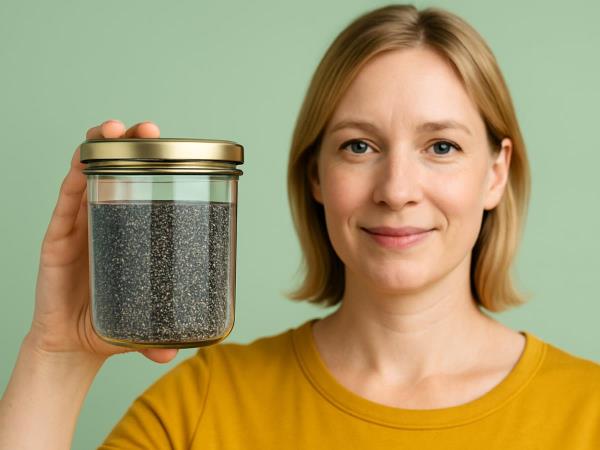
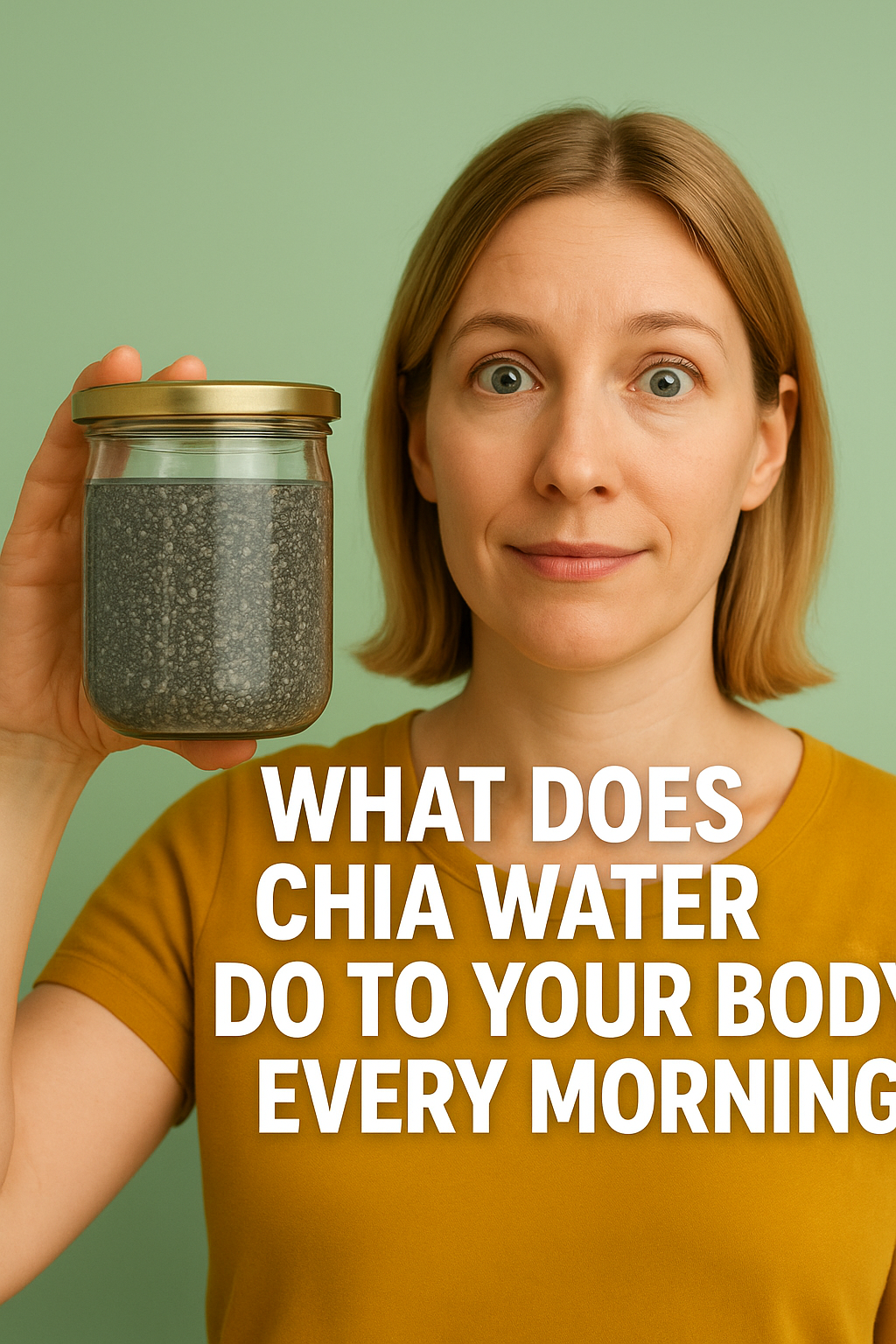


The Ancient Maya Secret in a Glass of Water: What Does Chia Water Do to Your Body Every Morning?
expert, nutritionist
If someone told you there was a drink you could make in a minute, that costs a few cents and was already known to the ancient Maya, you would probably assume it was another TikTok trick. Yet the truth is that Indigenous peoples of Central America valued chia seeds as a source of strength, endurance and nourishment long before social media existed. Chia is even often said to come from an old Maya word meaning "strength". Today this habit is making a comeback, only now it has a modern name, pretty glasses and over a billion views on social media.
One of the best-known modern stories about chia comes from American journalist Christopher McDougall. In his bestselling book Born to Run (2009), which has sold more than three million copies, he describes his time with the Tarahumara people of Mexico's Copper Canyons, legendary long-distance runners who fuel their efforts with a simple drink of chia seeds soaked in water with a squeeze of lime. McDougall and ultramarathon champion Scott Jurek tried to learn the runners' secrets, and the book is widely credited with turning chia into a household "superseed". A reader of ours, a recreational runner in her fifties, told us something similar: "I started with one spoon in a glass of water before my morning walk. After a few weeks, I simply noticed I wasn't reaching for a snack at ten o'clock anymore."
What exactly is chia water and why is it good for you?
Chia seeds come from the plant Salvia hispanica, a member of the mint family that grows in the lands where the mighty Aztecs and Maya once lived. When you mix the seeds with water, they turn into a gel-like drink, because each seed absorbs a great deal of water, many times its own weight. It's like a sponge, only one full of tiny but valuable nutrients.
For basic chia water you need:
- 1 cup (about 250 ml) of water
- 1 to 2 tablespoons of chia seeds
- lemon or honey, if you like
Let everything sit for about 10 to 15 minutes to thicken. If you leave it longer, you'll end up with something close to pudding. And yes, it looks like dinosaur food from a cartoon, but the effect is entirely serious.
Why is chia water so trendy, and what does the research say?
When we listen to influencers, we get the impression that chia seeds solve everything, from a bloated belly to a bad mood. Rather than relying on trends, it's better to lean on science and on the experience of people who have used these seeds for centuries. According to the USDA FoodData Central database, 100 grams of dried chia seeds contain approximately:
- 34 g of fiber (several times more than the same weight of apple)
- 16 to 17 g of protein
- about 17 g of plant omega-3 fat (ALA), which is a different form from the EPA and DHA found in oily fish such as salmon
- vitamin E, magnesium, calcium, phosphorus and antioxidants
The findings of modern research are even more interesting:
- A randomized controlled trial published in Plant Foods for Human Nutrition (2014) found that people with high blood pressure who ate chia flour daily for 12 weeks recorded lower blood pressure readings than at the start of the study.
- A 2025 systematic review and meta-analysis in Nutrition Reviews pooled randomized trials on chia seeds, blood pressure, body composition and blood sugar, and a separate meta-analysis of 14 randomized controlled trials reported a modest drop in systolic blood pressure, mainly at higher intakes.
- A detailed review in the journal Molecules (2020) summarizes the nutritional composition of chia and the human studies on satiety, blood sugar and heart health.
- Cleveland Clinic dietitians explain that the gel chia forms slows digestion, which can help you feel full and keep blood sugar steadier, while reminding readers that chia water offers nothing you couldn't also get from other fiber-rich foods.
8 key benefits of chia water
- Better hydration (so you don't feel drained, listless and low on energy).
- Chia seeds act like tiny reservoirs. They soak up plenty of water and, as part of a gel, release it more gradually as they pass through the digestive tract. Think of it as a small, natural anti-dehydration helper. This can be especially useful:
- if you tend to drink too little water,
- if you're physically active,
- if you have a lot of caffeine in your diet.
Folk wisdom points the same way: many of our grandparents drank water with soaked seeds during long days of field work, because they felt it gave them more stamina. If bloating and fluid balance are a concern for you, you may also enjoy reading Get Rid of Bloating and Excess Water.
- It supports healthy skin that feels less dry and more supple. When you're well hydrated, your skin is happier too. Add omega-3 fats, which play a role in maintaining healthy skin, and you have a kind of natural "morning moisturizer from the inside". General guidance suggests most adults need around 2 liters of fluid a day from drinks and food, and a morning glass of chia water is an easy way to start counting.
- Chia water supports good digestion and regularity. The fiber in chia seeds works like a natural "broom" for the gut. The World Health Organization recommends that adults eat at least 25 g of naturally occurring dietary fiber each day, and a large review commissioned by the WHO and published in The Lancet (2019) linked an intake of 25 to 29 g a day with better long-term health outcomes. Just two tablespoons of chia provide close to 10 g, a big step toward that goal.
Traditional wisdom says the gut is our second brain. Throughout history, these seeds have often been used to keep things moving, and today dietitians agree that fiber with enough fluid supports regular bowel habits.
- Chia keeps you feeling full for longer, which can make weight management easier. As the seeds swell in the stomach, it takes longer before you feel hungry again. That's not a trick, it's simple physics. A one-year randomized trial published in Annals of Internal Medicine (2015) found that people who were simply advised to eat at least 30 g of fiber a day lost about 2 kg over the year, nearly as much as those following a far more complicated diet. So this isn't a diet, it's just smarter eating. For more ideas in the same spirit, see Diet without dieting and 2 kg less per week and Hello, and Fattening: Foods that Sabotage Your Diet.
- Chia may contribute to healthy blood pressure. In the 12-week chia flour trial, participants with high blood pressure saw their readings improve, and pooled studies point to a modest but consistent effect. That's not nothing, especially since, according to the WHO, roughly one in three adults worldwide lives with high blood pressure. Chia is a helpful addition to a healthy lifestyle, never a replacement for treatment prescribed by your doctor.
- Support for healthy cholesterol levels is an often overlooked benefit of chia seeds. Soluble fiber and plant omega-3 fats are both associated with heart-friendly blood fat profiles; it's a bit like using good oil to keep an engine running smoothly. Reviews such as the one in Molecules show that results vary between studies, with some reporting small improvements in LDL ("bad") and HDL ("good") cholesterol, so it's best seen as one small piece of a bigger puzzle.
- Chia contributes antioxidants to your diet. Antioxidants help the body cope with the quiet, everyday wear and tear linked to stress, highly processed food and a fast pace of life. Chia seeds naturally contain antioxidant compounds such as polyphenols, which also help keep their delicate fats fresh.
- Chia seeds gently support the body's natural cleansing processes. Your liver and kidneys do the real work of removing waste, but fiber helps by keeping digestion regular. People traditionally reached for chia seeds after heavy meals or holiday feasting to feel lighter. Today we would simply call it sensible dietary support.
Risks: when not to overdo chia water
If we eat too many chia seeds (yes, it happens, and it's worth paying attention to!), we may experience:
- bloating,
- gas,
- constipation, if we don't drink enough water.
WebMD experts advise increasing fiber slowly; start with 1 tablespoon (or even half) in a cup of water and listen to your body. Always let the seeds soak before drinking, rather than swallowing dry seeds with water. If you're allergic to seeds or nuts, take blood pressure or blood-thinning medication, or have a digestive condition, talk to your doctor before making chia a daily habit.
A practical morning ritual (that anyone can do):
- In the evening or in the morning, add 1 to 2 tablespoons of chia seeds to a glass of water.
- Add lemon or honey.
- Wait 10 to 15 minutes.
- Stir and drink.
If you don't like the texture, try adding a few extras for flavor (berries, sliced banana, or finely diced pineapple), just don't overdo it. All these versions are equally good. And if you're rethinking your whole breakfast, it's worth checking Why is it dangerous to eat these foods for breakfast.
Why this is an affordable home habit, and how it works
100 grams of chia seeds usually lasts a week or two. If you looked for a similar combination of fiber and omega-3 in supplements, you could easily pay 20 to 50 euros a month. The Maya are said to have called chia the seed of strength; today we'd simply call it a smart choice, especially if:
- you want better digestion,
- you want fewer food cravings,
- you're looking for natural support for energy and skin,
- you want to look after your heart and blood vessels.
Fond of simple morning drinks? You might also like Warm Water with Turmeric Against Winter Troubles.
Why should chia water be part of your morning routine?
If we listen to tradition, folk practice and modern research, the answer is clear: it's worth a try! It's generally safe, inexpensive, quick and backed by a growing body of science. It works best when you also drink enough water, eat a varied diet and stay active. This isn't a miracle cure, just a suggestion for a small daily ritual that can add up to real benefits over time.
As the old saying goes: health grows slowly, like a seed we water every day.
Information on this website is for educational purposes only and is not medical advice.
expert, nutritionist
 Would you like to be informed about news on the website?






|

