




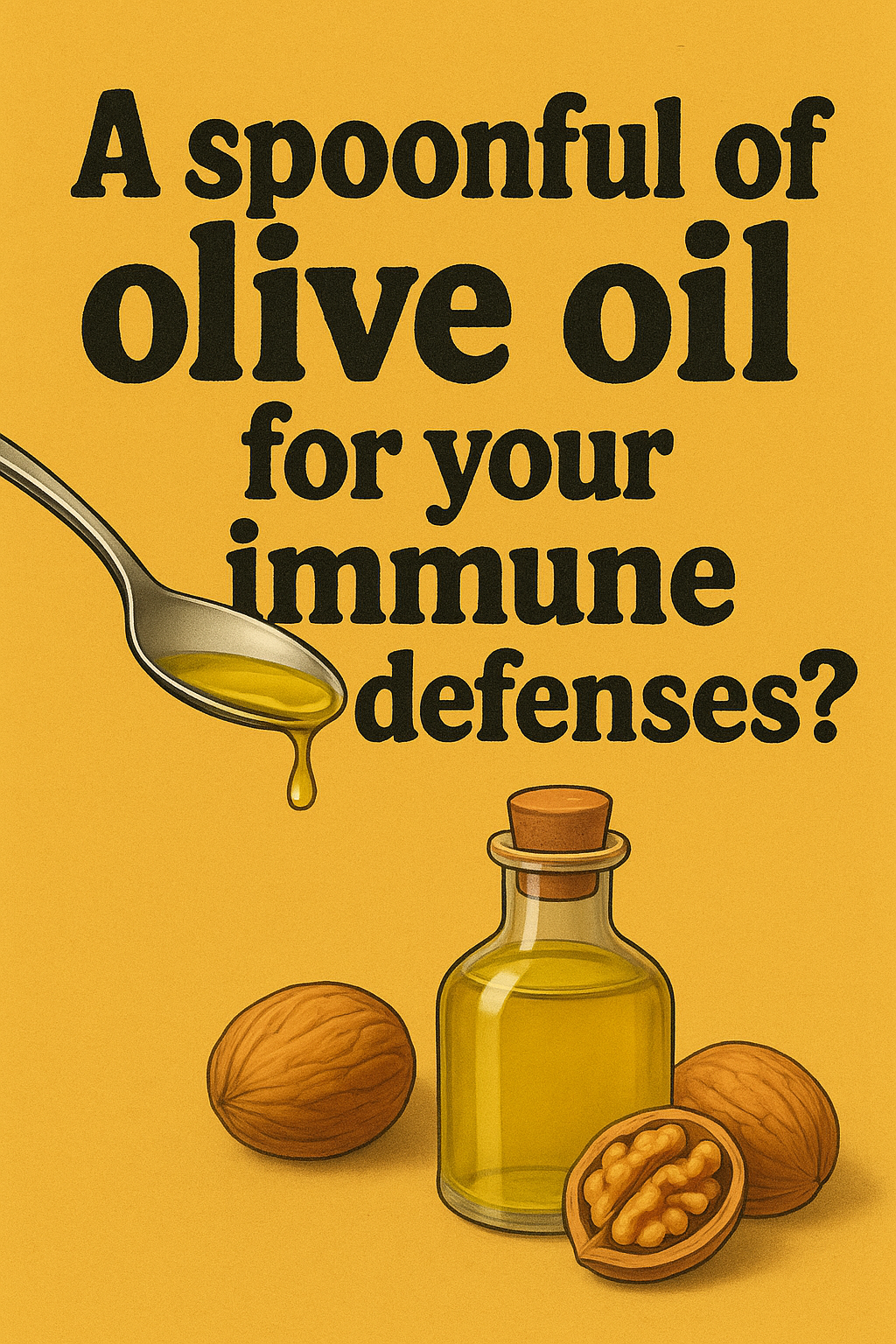
A Spoonful of Olive Oil for Your Immune Defenses? Science Shows Tumor-Hunting Immune Cells Work Better With Oleic Acid
expert, nutritionist
A Spoonful of Olive Oil for Your Immune Defenses? Science Shows Tumor-Hunting Immune Cells Work Better With Oleic Acid
A 2025 University of Hong Kong study found that oleic acid, the main fat in olive oil, avocados and nuts, helped specialized immune cells stay strong in the lab, while a saturated fat common in palm oil weakened them. The findings are early, but they add to a long line of research suggesting that the type of fat on your plate matters.
What if one of the simplest swaps in your kitchen, olive oil instead of palm-oil-laden snacks, could help some of your body's most specialized immune cells do their job? That is the question a team of researchers in Hong Kong set out to answer, and their results surprised even the scientists. In their experiments, immune cells that patrol the body for abnormal cells thrived on the fat found in olive oil. When the same cells were exposed to the fat that dominates palm oil and processed sweets, they faltered and broke down.
The daily olive oil ritual is no longer just a grandmother's tip. Television host Ryan Seacrest told People magazine in 2023 that he has a shot of olive oil every morning before his coffee, and Kourtney Kardashian has written about why she takes a tablespoon of extra virgin olive oil in the morning. Nutrition experts are quick to add that a shot on an empty stomach has no proven advantage over simply using olive oil with your meals. The underlying instinct is sound, though: replacing butter, margarine and dairy fat with olive oil has been linked to a lower risk of mortality. The new research from Hong Kong may help explain part of the reason.
Scientists have repeatedly found that olive oil and nuts, staples of the Mediterranean diet, appear to have a favorable influence on the body. The new findings add an intriguing chapter about the immune system.
A study by the LKS Faculty of Medicine of the University of Hong Kong (HKUMed), published in 2025 in the journal Signal Transduction and Targeted Therapy, showed that oleic acid, the healthy fat found in olive oil and nuts, enhanced special immune cells that are known for recognizing and attacking tumor cells.
What Is Actually Happening in the Body?
You can think of your immune system as a small but remarkably efficient army. Among its fastest soldiers are gamma-delta (γδ) T cells, a special type of white blood cell that patrols the body looking for suspicious cells. When they find one, they move in to destroy it. It is a bit like having a personal security guard who watches your body 24 hours a day so that intruders do not get in.
Scientists at HKUMed found that these cells have their own preferred fuel. It is not sugar or caffeine but the fat we eat.
In the study, the researchers tested two types of fatty acids:
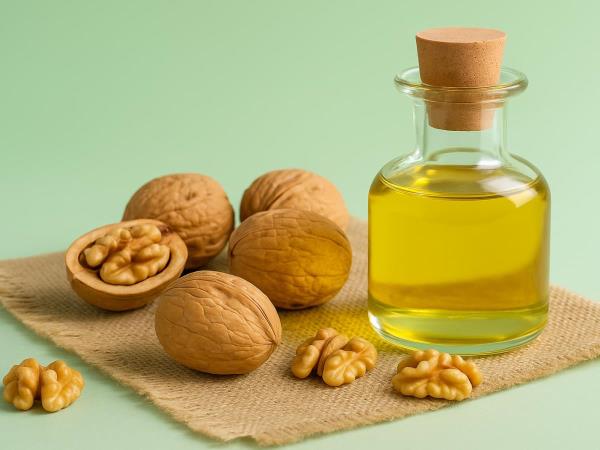
- Oleic acid (OA) is a healthy, monounsaturated fat found in olive oil, avocados, walnuts, almonds and sunflower seeds.
- Palmitic acid (PA) is a saturated fat found in butter, fatty meat and cheese, and above all in palm oil, which often hides in industrial cookies and chocolate bars.
The result was striking. When the gamma-delta cells were given oleic acid, they became stronger, more resilient and more effective at attacking tumor cells. Their mitochondria, the tiny power plants inside cells that produce energy, ran steadily, like a well-oiled engine.
The cells exposed to palmitic acid fared very differently. According to the published study, palmitic acid disrupted the cells' metabolism and pushed them to release excessive amounts of an inflammatory signaling protein (IFN-γ). That triggered a form of inflammatory cell death, so their ability to fight tumor cells dropped. Oleic acid helped restore that lost activity.
The study's leader, Professor Tu Wenwei of HKUMed's Department of Paediatrics and Adolescent Medicine, said in the university's announcement: "Our research suggests that dietary fatty acid supplementation, particularly with foods rich in OA, such as olive oil and avocados, could enhance γδ-T cell immunosurveillance, leading to more effective cancer treatments."
It is important to keep this in perspective. Much of the work was done on human immune cells grown in the laboratory, alongside blood analyses of patients already receiving a specialized cell therapy. It does not show that olive oil prevents or treats cancer on its own. What it does suggest is that the fat we eat is more than just a source of calories. It may also influence how well certain immune cells are equipped to do their job.
Why Our Grandmothers Knew More Than They Realized
Long before laboratories existed, our ancestors relied on what science is only now beginning to explain. A spoonful of olive oil and a handful of walnuts a day were long considered a recipe for keeping the doctor away.
In the past, people used olive oil not only for cooking but also as a home remedy for the skin and digestion. Walnuts have long been a symbol of strength and wisdom, and their brain-like shape inspired old beliefs that they were good for the mind.
Modern research has added some real numbers to these traditions. A large Harvard study published in the New England Journal of Medicine in 2013, which followed more than 100,000 people for decades, found that those who ate a handful of nuts daily had about a 20% lower risk of death during the study period than people who did not eat nuts.
The Spanish PREDIMED trial, published in the New England Journal of Medicine, followed 7,447 adults at high cardiovascular risk for nearly five years. Participants who followed a Mediterranean diet supplemented with extra virgin olive oil (about four tablespoons a day) or a daily handful of mixed nuts, half of them walnuts, had roughly a 30% lower risk of major cardiovascular events than those advised to follow a low-fat diet.
Even with all this modern research, we keep coming back to the same old, simple solutions.
If you want to see how everyday eating habits connect to your body's defenses more broadly, read our article Can What You Eat Really Change How Often You Get Sick? Here's What the Evidence Actually Shows.
What Is Immunometabolism and Why Does It Matter?
The word immunometabolism may sound complicated, but the idea is simple. It is the field that studies how nutrients and energy metabolism shape the way immune cells work. It matters what we feed our immune system. Give it the right fuel and it tends to run smoothly. Give it the wrong fuel and its cells can tire, malfunction or contribute to unnecessary inflammation.
Diets high in saturated fat, added sugar and ultra-processed foods are associated with chronic low-grade inflammation. This is one reason the World Health Organization recommends keeping saturated fat below 10% of daily energy intake and favoring unsaturated fats such as those in olive oil, nuts and fish.
The Hong Kong researchers went a step further. They looked at whether diet might matter for immunotherapy, an increasingly important cancer treatment in which doctors help the patient's own immune system attack a tumor. Among patients receiving gamma-delta T cell therapy, the levels of palmitic and oleic acid in their blood were associated with how well the therapy worked. The researchers describe this as a proof of concept, and more clinical studies are needed before any dietary recommendations can be made for patients. Anyone undergoing cancer treatment should discuss diet changes with their medical team.
How to Support Your Immune System at the Table
The good news is that you do not need special capsules, powders or supplements to eat more oleic acid. Small changes in your daily diet are enough. If you want to take the first step, try the following:
- Instead of butter for baking or saut{-15447}ing, use a tablespoon of extra virgin olive oil.
- Swap industrial snacks for a handful of walnuts, almonds or sunflower seeds.
- Add avocado to salads, or make a simple spread by mashing avocado with a teaspoon of lemon juice and a pinch of salt.
- Instead of heavy cream, use a plant-based milk or a homemade cream of cashews blended with a little water.
Pairing healthy fats with vegetables has an extra bonus. Many antioxidants, such as the lycopene in tomatoes, are fat-soluble and are absorbed much better with a little oil. We explain this in The Kitchen Trick Your Body Is Begging You to Learn. And if afternoon cravings are your weak spot, nuts are also one of the most satisfying snacks, as described in 3 tricks to never be hungry.
These changes are not only good for you but also affordable. Replacing some butter and processed snacks with olive oil and nuts is one of the easiest ways for a family to bring its saturated fat intake closer to the WHO recommendation.
How Walnuts Work: More Than Just Healthy Fat
Walnuts are not only a source of healthy fats. They also contain alpha-linolenic acid (ALA), a plant-based omega-3 fatty acid. The body can convert a small part of it into the longer omega-3s found in fish. Walnuts are among the richest nut sources of ALA, which is one reason they were chosen for half of the nut mix in the PREDIMED trial.
Walnuts also contain small amounts of melatonin, the body's natural sleep hormone, which also acts as an antioxidant. In a study published in the journal Nutrition, researchers at the University of Texas Health Science Center found that walnuts contain melatonin and that eating them raised blood melatonin levels and the blood's antioxidant capacity. This was shown in rats, so it is still unclear how much this matters in people.
Folk healers often recommended walnuts to people recovering from illness or surgery because they were said to "nourish the blood and the soul." Today we would say they provide energy, protein, minerals and antioxidants. Several small human studies have also observed improvements in markers of oxidative stress with regular nut consumption, although results vary between studies.
Walnuts sit in good company. You can find them, along with other everyday staples, in our article 10 Foods Nutritionists Swear By.
Why Not All Olive Oil Is the Same
When choosing olive oil, quality is key. Oleic acid typically makes up the majority of the fat in olive oil, often around 70 to 80% in good extra virgin oils. What really sets extra virgin olive oil apart, though, is its content of polyphenols, natural plant compounds that are largely lost in refined oils. By international standards, extra virgin olive oil must be mechanically pressed and have no more than 0.8% free acidity.
You do not need to heat the oil to smoking point. Use it cold in dressings or for gentle to moderate cooking, because some of its delicate compounds begin to break down at very high temperatures. Interesting fact: the European Food Safety Authority (EFSA) has approved a health claim that olive oil polyphenols contribute to protecting blood lipids from oxidative stress. The effect applies to olive oils with a sufficient polyphenol content, consumed at about 20 g (roughly 1.5 tablespoons) per day.
Store olive oil in a dark glass bottle or tin, away from light and heat, and close it tightly after use. Light, warmth and air all speed up oxidation. Look for the harvest date on the label and try to use the oil within the following year or so, ideally within a few months of opening.
Food as Part of the Medicine of the Future
Researchers increasingly see nutrition as an important partner to medical care in preventing chronic disease. According to the World Health Organization, between 30 and 50% of cancers could currently be prevented by avoiding risk factors and following evidence-based prevention strategies. A healthy diet is one of those factors, alongside not smoking, limiting alcohol, staying active and maintaining a healthy weight.
But be careful! This does not mean we should eat only olive oil and walnuts. As with every natural approach, the key is moderation and balance. Even healthy fats are very rich in calories, with one tablespoon of olive oil providing about 120 kcal. The WHO recommends that total fat make up no more than about 30% of daily energy intake, with most of it coming from unsaturated sources. For many adults, that leaves room for roughly two tablespoons of olive oil and a small handful of nuts a day as part of a varied diet.
How Each of Us Can Make a Difference
It may seem insignificant, but every purchase has an impact. When we choose olive oil over palm-oil-heavy processed foods, we help not only ourselves but also the environment. Oil palm expansion has been a notable driver of tropical deforestation, especially in Southeast Asia. Estimates of its global share vary widely, and some widely quoted figures are exaggerated, but research has mapped how much tropical forest has been cleared for plantations over the past decades.
So each time we reach for olive oil and whole foods instead of heavily processed snacks, we take a small step toward a cleaner planet and toward a better-fueled immune system.
A Small Spoon, a Big Effect
In a world that is becoming ever more artificial and rushed, nature quietly reminds us that many good answers to everyday problems are still within reach. Olive oil, walnuts, almonds and avocados are not a passing trend. They are well-studied foods that can support the body as part of a balanced lifestyle. Best of all, they are available to everyone, with no prescription and no laboratory required.
So the next time you cook, try a spoonful of olive oil instead of butter, and reach for a handful of walnuts instead of chips. Your body will thank you, and your immune system will get the kind of fuel it seems to prefer.
Information on this website is for educational purposes only and is not medical advice.
expert, nutritionist
 Would you like to be informed about news on the website?














|

