






Pumpkin Filled with Egg Custard: An Autumn Recipe the Whole Family Will Love
expert, nutritionist
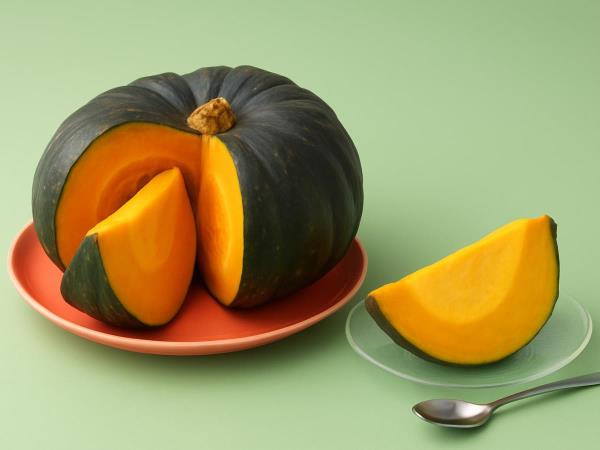
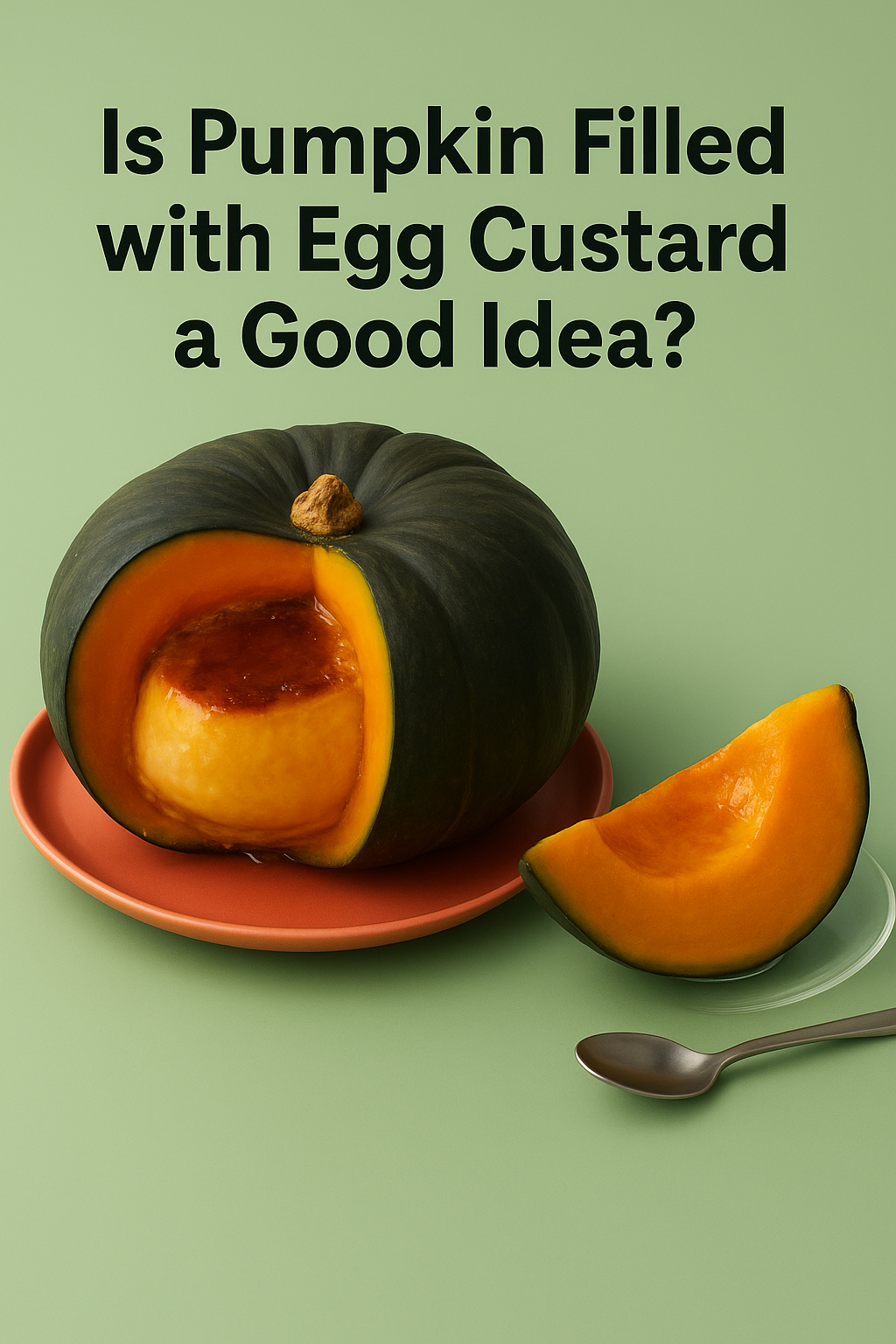
Imagine carrying a whole golden pumpkin to the table, lifting its lid, and revealing a trembling, caramel-glazed custard inside. Then you slice it into wedges, and every piece shows a ribbon of creamy filling hugged by soft, sweet pumpkin flesh. It looks like something from a pastry shop, yet it is made from eggs, milk, sugar and one ordinary pumpkin. That is exactly why this recipe has become a family favorite every autumn.
You are in good company if a stuffed pumpkin sounds unusual. Award-winning cookbook author Dorie Greenspan admitted in a conversation with NPR that when a friend in Paris first described a whole stuffed and baked pumpkin to her, she did not pay much attention – until her friend insisted she try it. The dish ended up in her book Around My French Table, and Greenspan has said she loves it precisely because it has almost no rules: the filling can change endlessly, while the pumpkin itself does the heavy lifting. Our version takes the same idea in a sweet direction.
One of our readers, a grandmother of three, told us she first made this dessert for a Halloween weekend because her grandchildren refused to eat "plain pumpkin." The moment the lid came off and they saw the caramel, she said, the pumpkin was suddenly "the best thing on the table" – and the youngest asked for the pumpkin flesh along with the custard. Stories like this are why we keep coming back to this recipe.
Why Pumpkin Belongs on Your Autumn Table
You will surely agree that the best autumn recipes are the ones made with pumpkin. Pumpkins are so versatile that they surprise us again and again – they work in soups, stews, breads, and, as you will see here, in desserts. Sweet pumpkin custard baked or steamed inside a whole pumpkin is also a much-loved tradition in Southeast Asia, where Thai sangkhaya fak thong is made with coconut cream and palm sugar and served in wedges, much like the dessert below.
Pumpkin is also a nutrient-dense food. According to the Tufts Health & Nutrition Letter, one cup of cooked pumpkin has only about 49 calories, yet it provides around 564 milligrams of potassium – more than a banana – along with a generous amount of beta-carotene, which the body can convert into vitamin A. Nutrition data from University Hospitals also lists fiber, vitamin C, vitamin E, and the carotenoids lutein and zeaxanthin, which are commonly associated with eye health.
Interestingly, cooking can make some of these nutrients easier to use. Beta-carotene is fat-soluble, so pumpkin served with a little fat – such as the milk and egg yolks in this custard – may be absorbed more effectively. We explain this in more detail in our articles Food That Is Healthier Cooked Than Raw and The Kitchen Trick Your Body Is Begging You to Learn.
What Folk Tradition Says About Pumpkin
In traditional folk nutrition, pumpkin has long been valued as a gentle, easily digestible food suitable for both older people and children. It has been linked with a mild diuretic effect (increased urine output), and in many households it was traditionally recommended to people dealing with gout, kidney and bladder discomfort, rheumatism, or digestive sensitivity. Folk remedies also credited pumpkin with calming, soothing and even "rejuvenating" properties, and pumpkin juice was sometimes used as a mouth rinse for sensitive gums.
It is worth keeping these traditions in perspective. Some laboratory research, such as a study in the Bangladesh Journal of Pharmacology, observed a diuretic effect of pumpkin pulp extract – but in rats and in concentrated doses, not from eating pumpkin as food. The reference database RxList likewise notes that more evidence is needed before pumpkin can be rated as effective for these uses. In other words, pumpkin is a wholesome part of a varied diet, not a treatment. Anyone managing gout, kidney problems or diabetes should follow the advice of their doctor or a registered dietitian.
For people watching their blood sugar, it is also important to remember that this particular recipe is a dessert with added sugar. The World Health Organization recommends keeping free sugars below 10% of daily energy intake, so enjoy it as an occasional treat, in modest slices. If you want to know where else sugar hides in everyday food, read Hello, and Fattening: Foods that Sabotage Your Diet.
Pumpkin is a wonderful food for both older people and children. If you know how to prepare it in an attractive way, the meal becomes fun for the whole family – and this recipe is the perfect proof.
Pumpkin Filled with Egg Custard
Ingredients:
- 1 pumpkin weighing about 1 kilogram (2.2 lb) – a Hokkaido or kabocha-type pumpkin works especially well
- 4 eggs
- 2 sachets of vanilla sugar (or 1 teaspoon pure vanilla extract)
- 1/2 liter (about 2 cups) of milk
- 4 tablespoons of sugar + 3 tablespoons of sugar for the caramel
- 2 tablespoons of flour
Preparation:
Crack the eggs, add the sugar and beat well until you get a frothy cream. Then add the milk and vanilla and mix well.
Heat 3 tablespoons of sugar on the stove and make a caramel. Stay close to the pan – caramel turns from golden to burnt within seconds.
Cut off the top of the pumpkin, which will serve as a lid. Then hollow out the pumpkin, removing the seeds and stringy fibers, but only enough to leave room for the egg custard. Sprinkle the inside of the pumpkin with flour and then shake it out, so that the walls of the pumpkin are well dried. First pour the caramel into the cavity so that it covers the bottom, then pour in the egg custard.
Cover the pumpkin with its lid and place it in a baking dish filled with about a finger's depth of water. Preheat the oven to 160 to 170 degrees Celsius (320 to 340 {-15696}F) and bake for 2 hours. Make sure the water does not boil. You can occasionally lower the temperature or open the oven door, and top up the water if needed.
When the pumpkin is baked, remove it from the water and let it cool for half an hour. Then cut it into wedges and serve – ideally with a spoonful of the caramel from the bottom.
Nutritionist's Tips for a Perfect Result
- Check that the custard is set. Food safety agencies advise that egg dishes and custards should reach 71 {-15696}C (160 {-15696}F) in the center. As the LSU AgCenter explains, this also applies to baked egg desserts; a food thermometer takes the guesswork out of it. More guidance is available at FoodSafety.gov.
- Use fresh eggs. Freshness matters for both flavor and safety – see our guide How to Recognize Fresh Foods.
- Refrigerate leftovers. According to the LSU AgCenter, dishes containing eggs, including custards and pumpkin pies, should not sit at room temperature for more than two hours.
- Don't overfill. Leave a little space at the top, because the custard rises slightly during baking. Extra custard can be baked separately in a small ramekin.
- Save the seeds. Rinse, dry and roast them for a crunchy snack. Pumpkin seeds are rich in minerals such as zinc and magnesium, as we describe in Foods to Beat Spring Fatigue.
- Lighter version. You can reduce the sugar in the custard by about a third; a ripe, sweet pumpkin and the caramel will still keep the dessert pleasantly sweet.
Are Eggs a Concern?
Many readers ask whether a dessert with four eggs is a good idea. For most healthy people, eggs can be part of a balanced diet – they provide high-quality protein, vitamins and choline. We have looked at this question in Is egg really responsible for heart problems? and in 10 Foods Nutritionists Swear By. If you have been given specific dietary advice by your doctor, follow it.
Make the Most of the Season
Autumn is the best time to cook with pumpkin: it is fresh, affordable and full of flavor. Eating with the seasons often means fresher food and better value, as we explain in What If the Tastiest Tomato You'll Eat All Year Is Also the Cheapest?. For more ideas on supporting your body as the weather cools, read When the Weather Turns: 5 Foods That May Help Your Body Handle the Swing From Summer Heat to Autumn Chill. And if you enjoy filled vegetables, try our savory Stuffed Peppers with Cottage Cheese: A Simple Dish That Wins on Color and Flavor.
Information on this website is for educational purposes only and is not medical advice.
expert, nutritionist
 Would you like to be informed about news on the website?




|

