






15 Simple Tricks for Easier Weight Management – and One of Them Is a Hot Bath
expert, nutritionist
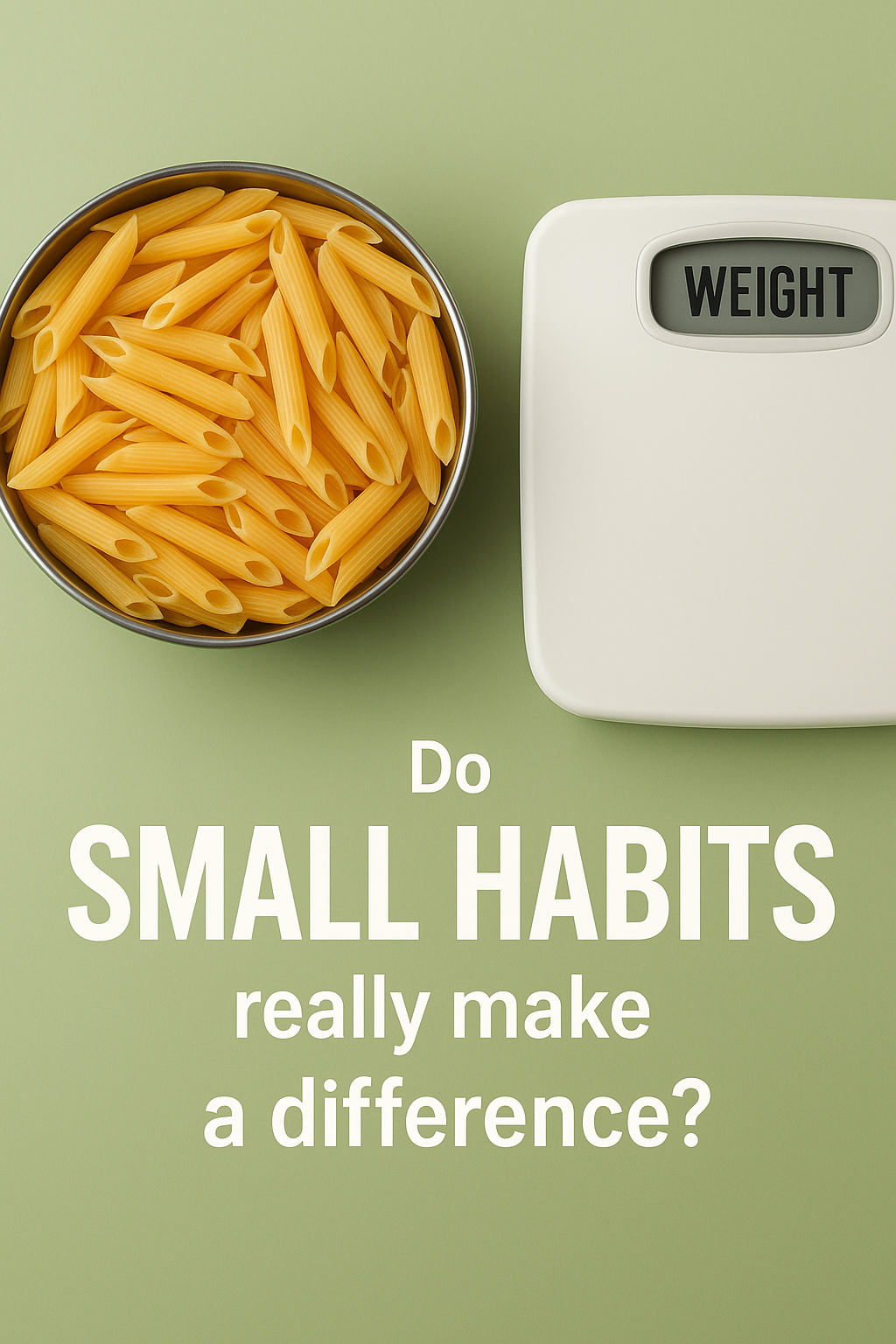
A pound here, a pound there – and before we know it, the bathroom scale is staring back at us with a number that takes us by surprise. Rarely is a single "sin" to blame. Far more often, it is a series of tiny, barely noticeable habits that quietly add up month after month. The good news? The same principle can work in our favor: even small changes to our daily routine – combined with a balanced diet and regular physical activity – can make the road to a healthier weight feel much smoother.
Few people illustrate this better than singer and businesswoman Jessica Simpson. After the birth of her third child, she lost a remarkable amount of weight – yet according to her longtime trainer Harley Pasternak, the secret was not punishing workouts or an extreme diet. In an interview with Entertainment Tonight, Pasternak explained that the results came mainly from what she did outside the gym: walking around 12,000 steps a day, getting better-quality sleep and cutting back on sugar. Speaking to E! News, he added that the whole approach was built on small, sustainable changes she could keep "forever" – because, in his words, they are not fans of extreme diets or radical forms of exercise. She started slowly, with family walks and time on the treadmill, and built up gradually.
A friend of mine who set off on a "summer shape-up" a few years ago once told me something very similar: no drastic diet helped her – quite the opposite. What worked was a string of small habits she repeated consistently. She brushed her teeth right after dinner so she would not wander back to the fridge, ate from a smaller plate and took a ten-minute walk every evening. The pounds came off slowly, but they stayed off – which is often the hardest part of losing weight.
Many of us know the feeling: when the little "sins" add up, stepping on the scale becomes downright exhausting in the long run. The 15 habits below will not melt the pounds away overnight, but – together with healthy eating and movement – they may help you keep your weight under control more easily. If you would like a broader framework first, our guide How to Lose Weight Without Harming Your Health is a good place to start. Now, let's go through them one by one.
[s2]
1. Deep Breathing
Deep breathing helps calm the nervous system and may support lower levels of cortisol – a hormone that, when chronically elevated, has been linked to stress and to a tendency to store fat around the midsection. Research from the University of California, San Francisco and Yale University, published in Psychosomatic Medicine, observed that women who reacted to stress with higher cortisol tended to carry more abdominal fat (Epel et al., 2000). Meanwhile, a study published in Frontiers in Psychology found that eight weeks of regular diaphragmatic breathing practice was associated with lower cortisol levels and better attention in healthy adults (Ma et al., 2017). Beyond calming the mind, slow, deep breaths can leave you feeling more refreshed and energized throughout the day.
Try it: breathe in slowly through your nose for four seconds, let your belly (not your shoulders) rise, then breathe out for six seconds. Five minutes is enough to start. Stress and poor sleep often go hand in hand, so it is worth reading When you sleep too little, your belly grows as well.
[s3]
2. Vegetables for Breakfast
According to many nutrition professionals, breakfast should provide roughly a quarter of your daily energy needs, as it lays the foundation for the rest of the day. Adding vegetables to your morning meal provides fiber and nutrients that support fullness and steadier energy through the morning. The World Health Organization recommends at least 400 g of fruit and vegetables a day – and starting at breakfast makes that target much easier to reach. Spinach in an omelet, sliced tomatoes and cucumber on whole-grain toast or a handful of greens in a smoothie all count. For more morning inspiration, see Breakfast for more energy before a physically demanding day.
[s4]
3. Sit Up Straight
Good posture while eating or sitting does not just affect how you look – it can also influence how you feel. An upright position allows deeper breathing and better circulation, which may support a better mood and a smaller urge to reach for "comfort" snacks. A study from the University of Auckland, published in Health Psychology, found that people who sat upright during a stressful task reported higher self-esteem and a better mood than those who sat slumped (Nair et al., 2015). A small change in posture can therefore be a surprisingly useful habit – especially at the dinner table, where sitting properly also tends to make us eat more mindfully than slouching in front of the TV.
[s5]
4. Eat Spicy Food
Spicy food contains capsaicin – a compound that some studies associate with a mild thermogenic effect, meaning a slight and temporary boost in metabolism. In a 12-week clinical trial published in The American Journal of Clinical Nutrition, participants taking capsinoids (milder relatives of capsaicin) showed a modest reduction in abdominal fat, while the change in body weight averaged less than a kilogram – a small but measurable extra effect, not a miracle cure (Snitker et al., 2009). Research from Purdue University, published in Physiology & Behavior, also suggests that red pepper may slightly reduce appetite, especially in people who do not eat spicy food regularly (Ludy & Mattes, 2011). Chili, cayenne pepper or a little fresh ginger can add flavor to meals without adding many calories – just go easy if you have a sensitive stomach.
[s6]
5. Blot Away the Fat with a Paper Towel
A simple but effective trick: every drop of fat you remove before eating greasy food (especially fried food) is one less drop your body has to deal with. Just place fried food on a paper towel for a few minutes – it absorbs excess fat well. The same goes for a slice of pizza: gently dabbing the surface can remove a noticeable amount of oil. Fat is the most energy-dense nutrient, with about 9 calories per gram, so even a teaspoon less adds up over weeks and months. Of course, the even better option is to fry less often and bake, steam or grill more.
[s7]
6. Eat in Front of a Mirror
When you can see how much you are actually eating, you will usually eat less – visual feedback and greater self-awareness help the brain register what and how much is going on the plate. In a well-known experiment published in the Journal of Applied Psychology, participants who could see themselves in a mirror chose noticeably less full-fat food than those without a mirror (Sentyrz & Bushman, 1998). Researchers have explored similar effects with smell as well – sniffing food before a meal. The common thread is simple: the more attention we pay to our food, the less likely we are to overeat on autopilot. For more small changes with a big impact, read Diet without dieting and 2 kg less per week.
[s8]
7. Take the Stairs Instead of the Elevator
Climbing stairs every day is a small but persistent form of physical activity that adds up over time. Simply choosing the stairs over the elevator several times a day steadily increases your daily energy expenditure, without setting aside any extra time for exercise – and the effect grows with every additional floor. Stair climbing also strengthens the leg and glute muscles and gets your heart rate up within seconds. The World Health Organization emphasizes that every bit of movement counts, and short bursts like these help you build toward the recommended 150 minutes of moderate activity per week.
[s9]
8. Do Strength Training
Strength training is often very effective for fat loss, because in addition to the energy burned during the workout, building muscle can also increase the energy you use at rest. A review published in Current Sports Medicine Reports concluded that around ten weeks of resistance training can raise resting metabolic rate by a few percent and reduce body fat, while increasing lean muscle mass (Westcott, 2012). It is important to start with lighter weights and increase the intensity gradually so you do not overload your muscles and joints. You do not need a gym membership: squats, wall push-ups, lunges or exercises with resistance bands at home are a great beginning. If you have joint problems or a health condition, ask a doctor or physiotherapist for advice before you start.
[s10]
9. Water Before Meals
A glass or two of water about half an hour before a meal may help you feel fuller, so you often end up eating a little less. In a study published in the Journal of the American Dietetic Association, middle-aged and older adults who drank about 500 ml of water before breakfast ate noticeably less at that meal (Davy et al., 2008). A follow-up 12-week trial by researchers at Virginia Tech, published in Obesity, found that people on a reduced-calorie diet who drank water before meals lost around 2 kg more than those who followed the same diet without it (Dennis et al., 2010). Drinking water is also useful because we often mistake thirst for hunger. It is worth noting, however, that the effect seems clearest in middle-aged and older adults, while results in younger people are less consistent – so think of water as a helpful ally rather than a magic trick.
[s11]
10. Go for Walks
Walking is one of the most accessible forms of movement for weight management. According to Harvard Health Publishing, a person weighing around 70 kg burns roughly 140 calories in 30 minutes of brisk walking – and walking faster or uphill can increase that number considerably. Whenever you can, leave the car or bus behind now and then and make the trip on foot – even 30 minutes of walking a day can make a difference. As Jessica Simpson's example shows, counting steps can be surprisingly motivating: a simple pedometer or phone app turns every walk into a small daily win. A short walk after a meal is a particularly pleasant habit, as it may also support digestion.
[s12]
11. Stretching
You have surely noticed how cats stretch after a nap. A similar ritual benefits people too: stretching improves circulation, helps maintain flexibility and may reduce the risk of injury. Harvard Health Publishing points out that without regular stretching, muscles gradually shorten and tighten, which can make everyday movement – and staying active – harder. That is also why yoga is so popular: it calms the mind while taking care of every muscle in the body. A few minutes of stretching in the morning or before bed is an easy habit that makes it more likely you will keep moving through the rest of the day.
[s13]
12. Use Smaller Plates
A smaller plate is one of the simplest ways to "trick" the brain. The same amount of food looks larger on a smaller plate, so your eyes signal to your brain sooner that you have eaten enough. Combined with a plate full of vegetables, this can help you naturally eat less without feeling deprived. Portion size matters a lot: in a study from Penn State University, published in The American Journal of Clinical Nutrition, participants served the largest portions ate around 30% more than those given the smallest ones – without reporting feeling any fuller (Rolls et al., 2002). The plate trick is also mentioned by author Ruth Houston, along with other evening habits that may quietly undermine weight loss. To spot more hidden pitfalls, read Hello, and Fattening: Foods that Sabotage Your Diet.
[s14]
13. Eat Slowly
This applies especially to fruit – whenever possible, eat it piece by piece rather than putting several pieces in your mouth at once. The signal from the stomach to the brain takes about 20 minutes to arrive, so ideally we start feeling full somewhere in the middle or toward the end of a meal. Research also points to a link between a slower eating pace and lower body weight: a large Japanese study of nearly 60,000 people, published in BMJ Open, found that slow eaters were considerably less likely to be obese than fast eaters (Hurst & Fukuda, 2018). Put your fork down between bites, chew thoroughly and enjoy the flavors. If you are looking for fruit that pairs well with this habit, see 3 fruits that help you lose weight.
[s15]
14. Stand While You Wait
When you are waiting for the bus, at the doctor's office, for a colleague or in front of the coffee machine, try standing instead of sitting. The body uses a little more energy while standing than while sitting. A meta-analysis published in the European Journal of Preventive Cardiology estimated the difference at about 0.15 calories per minute (Saeidifard et al., 2018) – a small effect, but one the researchers noted could add up meaningfully if you replace several hours of sitting with standing each day. These tiny habits are exactly the kind that, over time, can make a difference.
[s16]
15. A Hot Bath
Surprising, but true: relaxing in a hot bath is not just pampering – it may also have a mild effect on metabolism. In a study from Loughborough University, led by exercise physiologist Dr. Steve Faulkner and published in the journal Temperature, 14 men spent one hour in a bath at 40 {-15696}C, while on another occasion they cycled for an hour (Faulkner et al., 2017). The cyclists, of course, burned more energy, but the bath still led to roughly 140 calories being burned – comparable to about half an hour of walking (Mental Floss). The researchers also observed that peak blood sugar after a meal was about 10% lower after bathing than after cycling (Grazia). It is important to keep this in perspective: it was a very small study, and a hot bath is no substitute for regular physical activity. It can, however, be a pleasant addition to a healthy routine – especially for people who find regular exercise difficult for health reasons. Very hot baths are not suitable for everyone, though: people with heart conditions, low blood pressure or those who are pregnant should check with a doctor first.
Final Thoughts
On its own, each of these tips may not make a big difference, but together they can help make maintaining a healthy weight easier over the long term. The key is not to introduce every change overnight, but to pick the ones that best fit your daily life and repeat them consistently – at least for a few days in a row, to see how you feel. As history shows, quick fixes rarely last; for a fun look at why, read 200 Years of Diet Fads That Fooled Us — and Somehow Still Changed the World. Small, steady habits, on the other hand, tend to stay with us.
This article is for general information only and is not a substitute for professional medical advice. If you have a health condition, take medication or are planning major changes to your diet or exercise routine, please consult your doctor or a registered dietitian.
Information on this website is for educational purposes only and is not medical advice.
expert, nutritionist
 Would you like to be informed about news on the website?












|

