





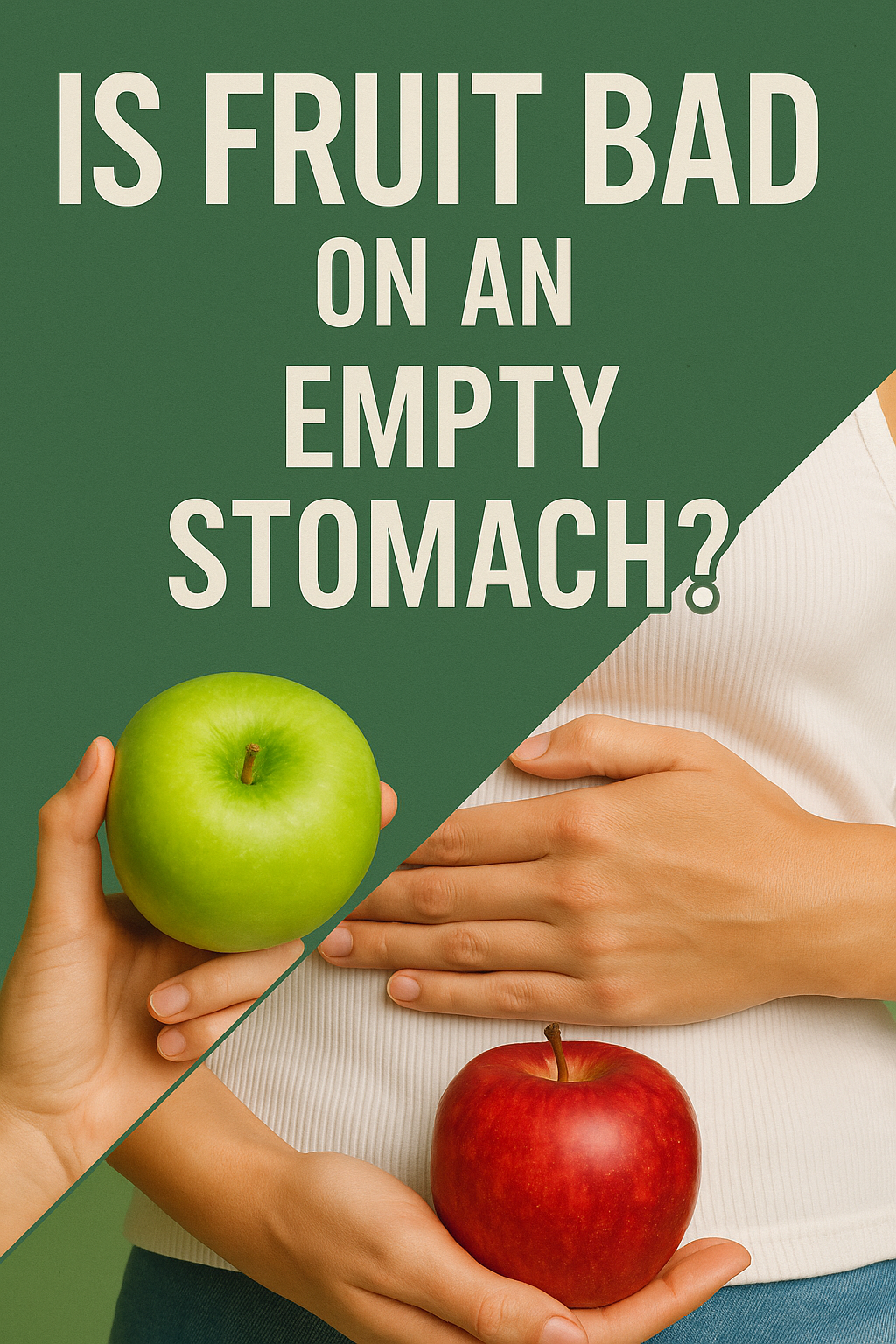

4 Foods Best Not Eaten on an Empty Stomach – One Is Completely Unexpected
expert, nutritionist
You skipped breakfast, lunch slipped by in a blur of meetings, and now your stomach is growling so loudly that the person next to you can hear it. In that moment, almost anything looks like a good idea: a handful of chips, a strong espresso, a spicy leftover curry or an apple from the fruit bowl. But the first thing you put into an empty stomach can make a real difference to how you feel for the rest of the day.
One writer described the experience vividly in a personal blog post: after giving up breakfast but keeping a steady stream of morning coffee, the writer developed persistent heartburn that lasted for months. Medication brought only temporary relief. What finally helped was a simple experiment: pausing coffee for a while, then later reintroducing breakfast and the morning cup together. With food in the stomach first, the coffee no longer caused trouble. The writer's conclusion was that the problem had never been coffee itself, but coffee on an empty stomach.
That is a story many readers will recognise. We become truly hungry when we skip a meal or go almost an entire day without eating, and that is exactly when it pays to slow down and choose carefully. Certain foods may irritate a sensitive stomach lining, and people who often skip meals or eat irregularly tend to notice this most.
Why an Empty Stomach Reacts Differently
Your stomach produces strong digestive juices to break food down. As the University Hospitals health library explains, those juices are powerful enough that the stomach relies on a thick mucous lining to protect its own walls. In a healthy person, that system works remarkably well. However, when there is no food to buffer certain irritants, people with a sensitive stomach, reflux or gastritis are more likely to feel burning, cramping or discomfort.
If mornings are when you usually notice this, you may also find it useful to read Why is it dangerous to eat these foods for breakfast.
1. Spices and Very Spicy Food
Heavily seasoned and spicy food can be challenging for digestion even when your stomach is full. Chilli peppers owe their heat to capsaicin, which many people experience as a burning sensation along the digestive tract. There is a difference, though, between eating spicy food alongside other foods that dilute and buffer it and eating it on its own after hours of fasting.
On an empty stomach, a fiery dish is more likely to cause indigestion, a burning feeling or abdominal cramps, especially in people who are already prone to them. IOL Lifestyle notes that spicy foods can irritate the stomach lining and that the effect tends to be magnified when the stomach is empty.
Nutritionist's tip: If you have nothing else to eat, drink a glass of milk or have a small yogurt first. Dairy proteins are known to help tame the burn of capsaicin, and a little food in the stomach may make it easier to enjoy bolder flavours after many hours without eating.
2. Coffee and Citrus Fruits
When you are hungry, coffee will not comfort you. It contains virtually no calories, so it cannot give you real energy, only a temporary sense of alertness. The same applies to many morning rituals built around a cup of coffee and a glass of orange juice instead of breakfast.
Coffee stimulates the production of stomach acid, and citrus fruits are naturally acidic. According to the Cleveland Clinic, coffee can increase gastric acid and may relax the valve between the stomach and the oesophagus, which can make heartburn more likely in sensitive people. One of the clinic's practical suggestions is simply not to drink coffee on an empty stomach if it causes you discomfort.
It is important to keep this in perspective. Older warnings that coffee "eats away" at the stomach and leads to serious disease are not supported by current evidence. Gastroenterologists quoted by Food Network point out that coffee has not been linked to the development of ulcers, which, according to the US National Institute of Diabetes and Digestive and Kidney Diseases (NIDDK), are most commonly caused by H. pylori infection and long-term use of certain painkillers. In 2016, the International Agency for Research on Cancer, reporting in The Lancet Oncology, also concluded that coffee drinking is not classifiable as a cause of cancer. However, if you already have an ulcer, reflux or gastritis, the extra acid can make existing symptoms worse.
Coffee on an empty stomach may also be absorbed faster, which some people feel as jitteriness or a racing heart. And if you regularly drink coffee without eating, you may notice that you crave sweets and snacks later in the morning.
Nutritionist's tip: Have your coffee after a light breakfast, or at least with a splash of milk and something small to eat. If you love your morning cup but often get headaches when your routine changes, read The Weekend Headache Nobody Warns You About. And for a few surprises about how strong your coffee really is, see When salad isn't healthy, and coffee isn't what you think.
The same caution applies to orange or grapefruit juice in the morning. As explained in 4 Healthy Breakfast Foods Nutritionists Quietly Avoid - Even Though Millions Eat Them Every Day, dietitians generally suggest keeping juice portions small and pairing them with fiber and protein rather than drinking them on an empty stomach.
3. Salty Snacks
Salty snacks will not satisfy you. Chips, crackers, pretzels and other nutritionally poor foods give your body plenty of salt, refined starch and fat, but very little of the protein, fiber, vitamins and minerals it actually needs after hours without food. It is a bit like starting an engine that has neither enough fuel nor enough oil to run smoothly.
Snacks like these are easy to overeat precisely because they do not fill you up. In a well-known controlled study at the US National Institutes of Health, published in Cell Metabolism, participants on an ultra-processed diet ate roughly 500 more calories per day than when they were offered minimally processed food, and they gained weight. A bag of chips on an empty stomach also delivers a large dose of sodium at once. The World Health Organization recommends that adults consume less than 5 grams of salt per day, and most people already exceed that.
Regularly replacing meals with salty snacks can leave you thirsty, sluggish and hungry again soon after, and over time it may crowd out the foods your body really needs. For more on everyday choices that quietly work against you, read Hello, and Fattening: Foods that Sabotage Your Diet and 5 Foods That Shorten Your Lifespan.
4. Apples and Pears – the Unexpected One
Do you think you can tame serious hunger with a piece of fruit? Here is the surprise: the answer is more complicated than "yes" or "no."
On the one hand, research shows that whole fruit can be surprisingly filling. In a study published in the journal Appetite, researchers at Pennsylvania State University found that adults who ate a whole apple before lunch consumed about 15 percent fewer calories at that meal than when they ate nothing beforehand. Whole apple was also more filling than applesauce or apple juice.
On the other hand, an apple or pear on its own is mostly water, natural sugar and fiber, with almost no protein or fat. After a long fast, that may give you a quick lift that fades fairly soon, leaving you hungry again. Apples and pears are also naturally rich in fructose and sorbitol. According to researchers at Monash University, who developed the low-FODMAP approach, these fermentable sugars can trigger bloating, gas and abdominal discomfort in people with a sensitive gut or irritable bowel syndrome. On an empty stomach, those people often feel the effect even more strongly.
That is exactly why nutritionists recommend eating a handful of nuts alongside your fruit, or even better, a piece of cheese. The protein and fat slow digestion, help keep your energy steadier and make the fruit a far more satisfying snack.
What to Eat Instead When You're Really Hungry
- Start gently. A glass of water, followed by something mild such as yogurt, a boiled egg, oatmeal or a slice of wholegrain bread.
- Combine protein, fat and fiber. Apple with cheese, pear with walnuts, or wholegrain toast with eggs will keep you full much longer than any of them alone.
- Save coffee and spicy dishes for after you've eaten. Your stomach will usually handle them much better.
- Don't let hunger build to the extreme. Regular meals are the simplest way to avoid reaching for whatever is closest.
Many everyday foods are perfectly healthy but simply eaten at the wrong moment or in the wrong combination. You'll find more examples in Foods We Use Incorrectly.
The Takeaway
None of these foods is "bad." Spices, coffee, citrus, apples and pears can all have a place in a balanced diet, and even salty snacks are fine as an occasional treat. What matters is timing and context. When your stomach has been empty for hours, give it something gentle and nourishing first, then enjoy the rest. And if you regularly experience heartburn, stomach pain or digestive discomfort, it's worth discussing it with your doctor rather than relying on diet changes alone.
Information on this website is for educational purposes only and is not medical advice.
expert, nutritionist
 Would you like to be informed about news on the website?











|

