


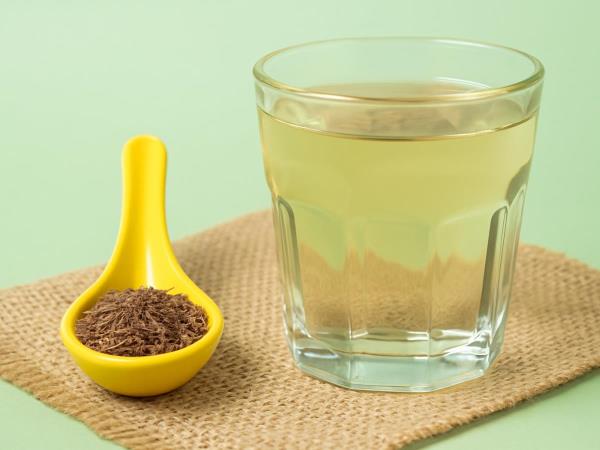


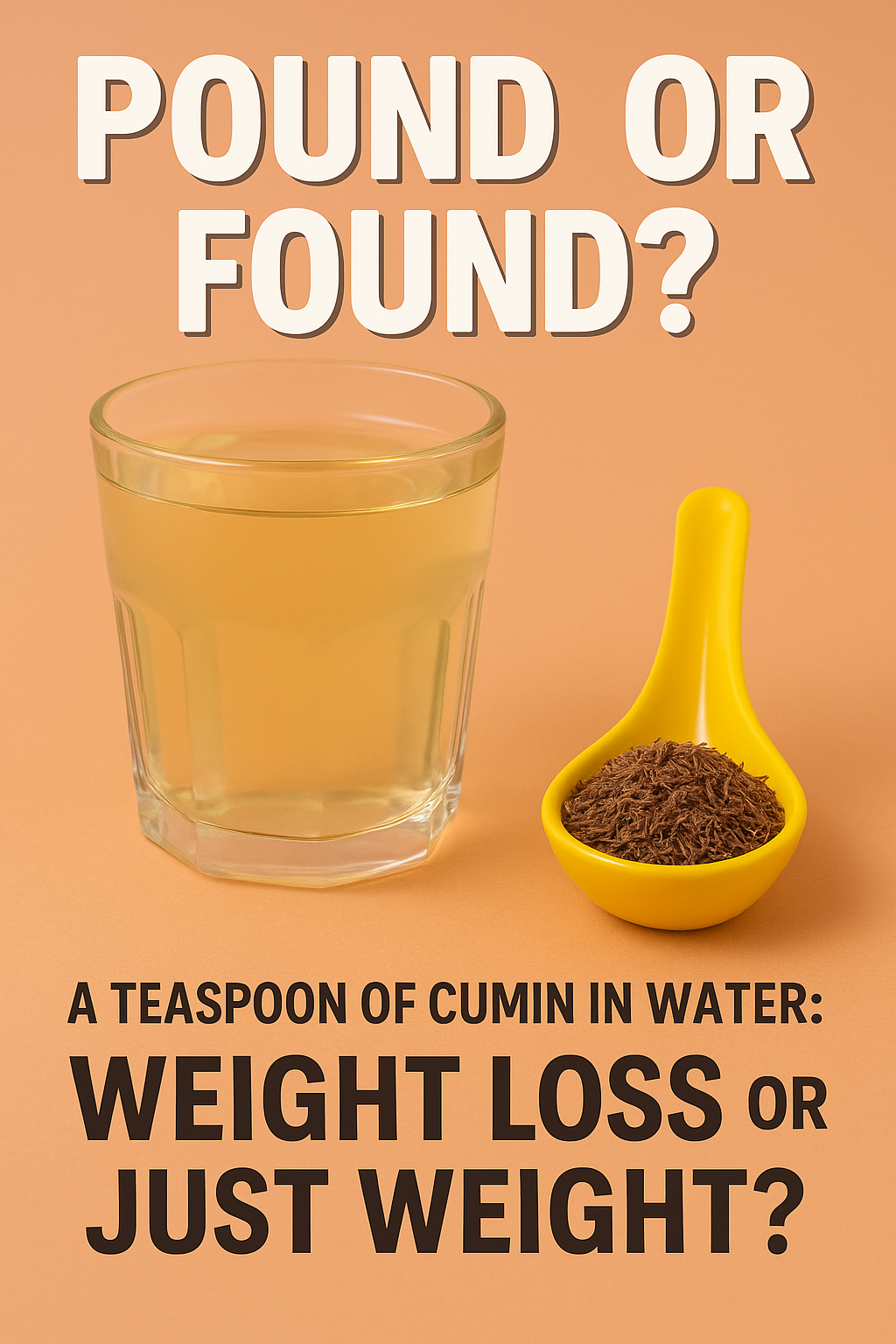

A Teaspoon of Cumin in a Glass of Water: The Ayurvedic Ritual That Has Lasted for Millennia
expert, nutritionist
What if one of the oldest wellness habits in the world were already sitting in your spice drawer? Long before green juices and powdered supplements, households across India started the day with a warm glass of water infused with cumin seeds. In Ayurveda, the traditional medicine system of India, this drink is known as jeera water, and it has been passed from grandmother to granddaughter for generations.
One of our readers, a busy office worker in her forties, shared her experience with us: "I often felt heavy and bloated after dinner, especially during stressful weeks. A colleague from India suggested cumin water. I was skeptical, but I made it a habit for a month. It hasn't changed my life overnight, but my mornings feel lighter, I drink more water than before, and I've started paying more attention to what I eat in the evening." Her story captures what cumin water really is: not a miracle, but a small, pleasant ritual that can nudge you toward healthier habits.
Why Hydration Comes First
Keeping the body well hydrated is extremely important. Water supports digestion, helps regulate body temperature and keeps the kidneys working well. According to the Mayo Clinic, many adults simply don't drink enough throughout the day. With the addition of cumin, an ordinary glass of water becomes a flavorful drink that may also be helpful as part of a weight-management plan. In other words: water with a teaspoon of cumin has some genuinely interesting properties.
If you often feel puffy or heavy, you may also find useful ideas in our article Get Rid of Bloating and Excess Water.
What Makes Cumin Special?
Cumin (Cuminum cyminum) is a small plant from the same family as carrots, parsley and fennel. Its seeds are naturally rich in antioxidants, plant compounds that help protect cells from oxidative stress. Cumin is also a surprisingly good source of iron. According to USDA FoodData Central, a single teaspoon of whole cumin seeds provides roughly 1.4 mg of iron, a meaningful amount for such a small serving.
Cumin is traditionally valued for supporting the immune system and for its role in a balanced, anti-inflammatory style of eating. Laboratory studies have also explored the antioxidant compounds in cumin, including their behavior in cell and animal models. However, these early findings have not been confirmed in humans, and cumin should never be seen as a way to prevent or treat serious illness. The Memorial Sloan Kettering Cancer Center offers a balanced overview of what is and isn't known about cumin.
Where cumin is most often appreciated is digestive comfort. In traditional cooking, it is added to beans, lentils, cabbage and other "heavy" foods precisely because it is believed to make them easier on the stomach. A small case series published in the Middle East Journal of Digestive Diseases reported that participants with irritable bowel syndrome noticed fewer bloating-related complaints while taking cumin extract. The study was small and had no control group, so the results should be interpreted with caution.
Cumin and Weight Management: What the Research Says
The most frequently cited study comes from Iran. Researchers followed 88 overweight women who added 3 grams of cumin powder to yogurt daily for three months, alongside a reduced-calorie diet. Compared with the control group, the cumin group showed somewhat greater reductions in weight, waist circumference and body fat. You can read the study by Zare et al. (2014) in Complementary Therapies in Clinical Practice.
As a nutritionist, I always emphasize the key detail: the participants were also following a calorie-controlled diet. Cumin water can be a pleasant companion to healthy eating, but it doesn't cancel out an unbalanced diet. If you want to know which everyday foods may be quietly working against you, read Hello, and Fattening: Foods that Sabotage Your Diet.
How to Prepare Cumin Water
The traditional method is simple and takes only a few minutes of active time:
- In the evening: Add one teaspoon of cumin (whole seeds or ground) to a glass of water (about 300 ml / 10 fl oz) and let it stand overnight.
- The next morning: Pour the water and cumin into a small pot and bring it to a boil. Let it simmer for 5 minutes, then remove it from the heat.
- Let it cool: After about 15 minutes, strain the liquid.
- Drink it warm: Enjoy it slowly while it is still pleasantly warm.
Tip for better flavor: Add a pinch of cinnamon and a teaspoon of honey. Cinnamon adds natural sweetness and warmth, while honey softens the earthy taste of cumin. Add honey only once the drink has cooled to a warm temperature, not while it's boiling hot.
Whole or ground? Whole seeds give a cleaner, clearer drink with a gentler flavor. Ground cumin gives a stronger taste and a cloudier result, so straining through a fine sieve or cloth helps.
Want to Vary It? Try These Combinations
- Cumin and fennel: Fennel seeds add a mild, sweet aniseed note and are also traditionally used after meals.
- Cumin and coriander: In Ayurveda, coriander is considered "cooling" and is said to balance cumin's warmth.
- Cumin and ginger: A slice of fresh ginger gives the drink a pleasant kick on cold mornings.
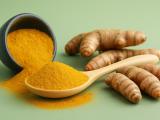
- Cumin and turmeric: Another favorite warm drink combination. If you like turmeric, see our article Warm Water with Turmeric Against Winter Troubles.
When Is the Best Time to Drink It?
Traditionally, cumin water is enjoyed in the morning, before breakfast. Many people like it as a gentle start to the day that replaces their first coffee or sugary drink. If your stomach is sensitive in the morning, you can also drink it 20–30 minutes before a meal instead. It's also worth paying attention to what follows it: some foods are better avoided first thing in the morning, as explained in Why is it dangerous to eat these foods for breakfast.
A Few Words of Caution
Cumin is a common cooking spice and is generally well tolerated in normal food amounts. Still, keep these points in mind:
- Moderation: One teaspoon per day is a typical amount. More is not necessarily better.
- Heartburn: Some people with acid reflux find that warm spices make their symptoms worse.
- Medications: Cumin may have a mild effect on blood sugar. If you take medication for diabetes or blood thinners, talk to your doctor before making cumin water a daily habit.
- Pregnancy and breastfeeding: Larger, concentrated amounts of cumin are best discussed with a healthcare professional.
- Honey: Never give honey to children under one year of age.
The Bottom Line
Cumin water won't melt away pounds overnight, and it isn't a medicine. What it can be is a pleasant, inexpensive and time-tested ritual: a reason to drink an extra glass of water every morning, a warm and comforting start to the day, and a small reminder to take care of your digestion. Combined with a balanced diet, regular movement and good sleep, it's a habit that ancient Ayurveda and modern common sense can easily agree on.
Information on this website is for educational purposes only and is not medical advice.
expert, nutritionist
 Would you like to be informed about news on the website?










|

