






Vitamin D: Why the Sun Isn't Always Enough and Which Foods Really Help
expert, nutritionist
Here is something that surprises many people: you can spend the whole summer outdoors and still head into winter running low on vitamin D. From roughly October to March, across much of Europe and North America the sun sits so low in the sky that the skin simply can't make enough of it – no matter how long you stay outside. That is why the UK's National Health Service (NHS) suggests that adults consider a daily vitamin D supplement during the autumn and winter months.
Even well-known people with busy, active lives have been caught off guard. American TV host Wendy Williams told Good Morning America in 2018 that, during a health-related break from her daytime talk show, her doctor discovered she was severely deficient in vitamin D – according to Williams, one of the lowest levels her internist had ever seen. She used the moment to encourage women to keep up with their routine check-ups.
It's a familiar pattern for many people who work indoors: you leave home in the dark, spend the day under office lights, and come back home in the dark. By February, you feel more tired than usual and wonder why. Low vitamin D is not always the explanation, but it is one of the simple things worth asking your doctor about.
On paper, vitamin D is a remarkably undemanding vitamin. During the sunny months, short and regular periods of sunlight on uncovered skin are often enough for the body to produce it, because sunlight gives the skin the energy it needs to synthesize this vitamin. In addition, vitamin D is fat-soluble and relatively stable – ordinary cooking destroys only part of it. Best of all, our body can store it in fat tissue and the liver and use it when needed.
At first glance, it seems we shouldn't have any trouble with vitamin D. However, problems appear in gloomy, overcast weather when there isn't enough sun – and also during the summer heat, when we prefer to hide in the shade and wear hats and sunscreen, which reduces the skin's production of the vitamin. Age matters too: as the U.S. National Institutes of Health Office of Dietary Supplements explains, older adults and people with darker skin produce less vitamin D from the same amount of sunlight.
The Calcium Connection
Although lack of sunshine is the most common reason for low vitamin D, there is another, indirect issue. Vitamin D helps the body absorb calcium, which supports strong, less brittle bones and healthy teeth. Here, two things matter. If we don't get enough calcium, even plenty of vitamin D won't help us much. On the other hand, if blood calcium rises too high – which usually happens only with very high doses of supplements – calcium can be deposited in soft tissues, which is also not good.
Vitamin D is also important for the absorption of phosphorus, another mineral our bones depend on. According to the Harvard T.H. Chan School of Public Health, vitamin D also plays a role in muscle function and in the normal functioning of the immune system.
Why It's Worth Paying Attention as Winter Approaches
As we enter the season when low vitamin D levels become more common, it's a good idea to focus on foods that can help fill the gap. Researchers have been studying vitamin D's possible roles far beyond bone health for years, with mixed but interesting results:
- Bones: Together with calcium, vitamin D helps maintain bone health and is part of the conversation about reducing the risk of osteoporosis later in life.
- Joints and autoimmune conditions: In a large trial published in The BMJ in 2022, adults over 50 who took vitamin D for about five years had somewhat fewer diagnoses of autoimmune diseases, including rheumatoid arthritis, than those taking a placebo. The researchers called for further studies before drawing firm conclusions.
- Colon health: Vitamin D has been studied extensively in connection with colorectal cancer. However, the large VITAL trial, published in the New England Journal of Medicine, did not find that vitamin D supplements lowered the overall rate of cancer in healthy adults. Research is ongoing, so vitamin D should not be seen as a treatment or a substitute for medical care and screening.
Food Sources of Vitamin D
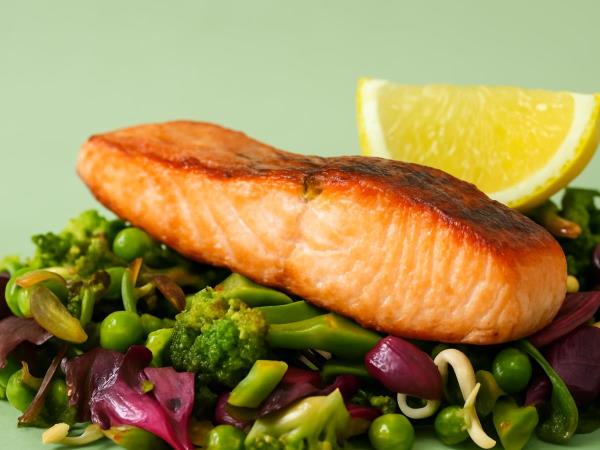
Few foods are naturally rich in vitamin D, so it pays to know which ones are worth putting on the menu. Milk fortified with vitamin D is an excellent combination, because it also contains plenty of calcium – and the body needs both. Many foods rich in omega-3 fatty acids also contain a good amount of vitamin D. Omega-3 fats are valuable in their own right, and their combination with other nutrients in these foods makes them especially interesting. This group includes salmon, mackerel, tuna, sardines, herring and trout.
Approximate vitamin D content of some common foods, based on data from the NIH Office of Dietary Supplements:
- Rainbow trout (farmed, cooked, 3 oz / 85 g): about 16 micrograms (645 IU)
- Sockeye salmon (cooked, 3 oz / 85 g): about 14 micrograms (570 IU)
- UV-exposed mushrooms (½ cup): about 9 micrograms (366 IU) – one of the few plant-based options
- Fortified milk (1 cup / 240 ml): about 3 micrograms (120 IU)
- Sardines (canned in oil, 2 fish): about 1 microgram (46 IU)
- Egg (1 large, the vitamin D is in the yolk): about 1 microgram (44 IU)
- Light tuna (canned in water, 3 oz / 85 g): about 1 microgram (40 IU)
A practical tip from a nutritionist's point of view: canned salmon and sardines with their soft, edible bones give you a double benefit – vitamin D and calcium in the same bite.
How Much Vitamin D Do We Need?
It's also good to know that our daily needs for vitamin D change over the years. The general recommendations for healthy people, according to the NIH Office of Dietary Supplements, are:
- from 1 to 70 years of age: 15 micrograms (600 IU) per day
- over 70 years of age: 20 micrograms (800 IU) per day
In Europe, the European Food Safety Authority (EFSA) considers 15 micrograms per day an adequate intake for adults. For most adults, the tolerable upper limit is set at 100 micrograms (4,000 IU) per day. Individual needs can differ, so if you are thinking about supplements, it's best to talk to your doctor or pharmacist, who can also check your blood levels.
Can You Have Too Much?
We should add that overdoing vitamin D isn't good either. The reassuring news is that you can't get too much vitamin D from sunshine, and it is very hard to overdo it with food alone. According to the Mayo Clinic, vitamin D toxicity is almost always caused by taking very large doses of supplements over a longer period of time. The first signs are usually nausea, vomiting, loss of appetite, weakness and frequent urination.
To put it in perspective: even something as harmless as water can cause problems in excess. A study of Boston Marathon runners published in the New England Journal of Medicine found that about one in eight runners finished the race with low blood sodium, mostly because they drank too much fluid. The lesson is the same for vitamin D: the right amount is what counts.
Too much vitamin D can, however, have more serious effects. Excess vitamin D means more calcium in the blood, which over time may contribute to kidney stones and, in rare cases, to problems with other organs, as well as to unwanted calcium deposits in soft tissues. This is why it's wise to stick to recommended amounts and not combine several supplements that each contain vitamin D.
The Best Recipe: Sunshine and Good Food
In any case, the best combination is still sunshine – in other words, walks outdoors whenever the weather allows – together with a varied, healthy diet. Add fatty fish to your menu once or twice a week, choose fortified dairy or plant-based drinks, don't throw away the egg yolk, and look for UV-exposed mushrooms in the store. For more ideas on getting through the colder months, read our article Warm Water with Turmeric Against Winter Troubles.
Information on this website is for educational purposes only and is not medical advice.
expert, nutritionist
 Would you like to be informed about news on the website?















|

