





The Forgotten Oriental Drink With a Richer Nutritional Profile Than You Might Expect
expert, nutritionist
On cold winter nights in Istanbul, a long, drawn-out cry once echoed through the narrow streets: "Boo-zaaa!" Street vendors carried heavy jugs on their shoulders, and families would open their windows to buy a glass of a thick, sweet-and-sour drink that warmed both body and soul. Today, that cry has almost disappeared, and so has the drink itself. Yet this humble beverage may deserve a place on your table again.
Few people have captured this vanishing world as vividly as Nobel Prize-winning novelist Orhan Pamuk. His novel A Strangeness in My Mind follows Mevlut, a man who sells boza on the streets of Istanbul for more than four decades. In an interview with NPR, Pamuk explained that the slight alcohol content is not the main reason people love boza. For him, "It's nostalgic." He said it is best enjoyed on cold days and nights, and that as a boy he was one of the children buying boza from street sellers like his fictional hero. In a conversation with Columbia News, he described how he interviewed real boza vendors while researching the book.
Boza also had at least one other famous admirer. At Vefa Bozacısı, Istanbul's oldest boza shop, founded in 1876, a glass from which Mustafa Kemal Atatürk drank boza during a visit in 1937 is still on display behind glass.
What Exactly Is Boza?
Boza is often described as an oriental drink with a history stretching back more than 2,000 years. Centuries ago it was served in almost every pastry shop across the Balkans and the former Ottoman lands, but today it is nearly forgotten. It is a fermented grain drink with a pleasant sweet-and-sour taste. Depending on the region, it is made from wheat, millet or maize: in Turkey it is usually based on maize, while in Bulgaria wheat or millet are more common. Bulgarians even have a traditional breakfast pairing, banitsa (a flaky cheese pastry) with a glass of boza.
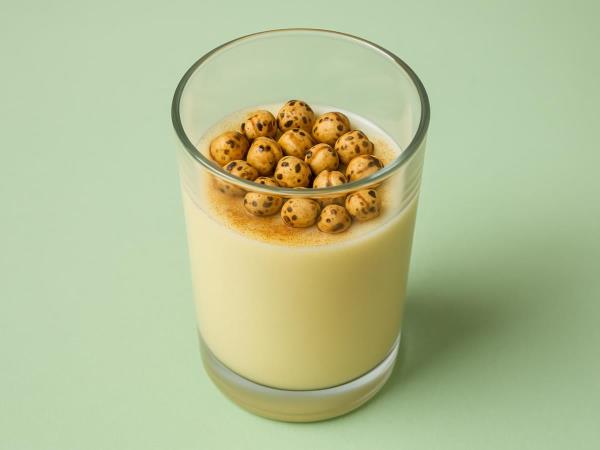
Boza is most often served with a sprinkle of cinnamon or a handful of roasted chickpeas, and sometimes with hazelnuts or coarsely ground walnuts. Its texture is thick, almost like a drinkable pudding, and fermentation gives it a gentle fizz.
Many people who grew up in the Balkans remember boza as a childhood treat bought from the local pastry shop in summer, or sipped warm on winter evenings. For many of them, the first sip of homemade boza brings back the taste of their grandparents' neighbourhood.
What's in a Glass of Boza?
Compared with many sugary industrial soft drinks, boza stands out because it is made from whole grains and fermented naturally. The grains and the fermentation process provide several B vitamins (such as B1, B2, B3 and B6), as well as small amounts of vitamins A and E and various minerals. For this reason it was traditionally seen as an energy-giving drink, suitable for active people and anyone looking for a natural source of energy.
Scientists have also taken an interest in this old drink. A study published in the Turkish Journal of Agriculture and Forestry found that boza's content of carbohydrates, fibre, protein, vitamins and minerals varies considerably depending on the type of grain and the starter culture used. The researchers also identified a range of lactic acid bacteria and yeasts in the samples. Hungarian researchers writing in Acta Agraria Debreceniensis likewise reported that protein, sugar, polyphenol and mineral content differ depending on the raw materials. Interestingly, boza has also been studied in Slovenia: a master's thesis at the University of Ljubljana examined how its acidity and aroma compounds change during fermentation.
For readers who avoid gluten, there is good news too. Researchers publishing in Latin American Applied Research made boza from buckwheat and teff flour and found that this gluten-free version contained more fibre, protein and several minerals, and tasters rated its flavour highly.
Like other fermented foods, boza contains live microorganisms when fresh. The British Dietetic Association notes that fermented foods can add variety and interesting flavours to the diet, although experts at Northwestern Medicine point out that research into their health effects is still ongoing. If you are interested in gentle ways to support digestive comfort, you may also enjoy our article Get Rid of Bloating and Excess Water.
A note on vitamin B12: you will sometimes read that boza is a source of vitamin B12. According to the U.S. National Institutes of Health, vitamin B12 is found naturally mainly in animal foods, so vegetarians and vegans should not rely on grain-based drinks like boza as their source of this vitamin.
Who Might Enjoy Boza?
Traditionally, boza was offered to athletes, workers, young mothers and anyone needing a quick boost of energy. It is entirely plant-based, so it can be a pleasant alternative to milk drinks for vegetarians and vegans. Children usually love its sweet-and-sour taste, but serve it to them fresh, as fermentation produces small amounts of alcohol over time. For the same reason, pregnant and breastfeeding women should check with their doctor before drinking it. As a warming winter drink, boza fits nicely alongside other cold-weather favourites such as those in our article Warm Water with Turmeric Against Winter Troubles.
How to Make Boza at Home
Making boza is simple, but it takes some time, so plan ahead.
Ingredients:
- 5 litres of water
- 1 kilogram of sugar (or less, to taste)
- 600 grams of unsifted (wholegrain) maize flour
- 30 grams of fresh yeast
Preparation:
It is best to start preparing the drink in the morning. Pour warm water over the maize flour and let it stand for at least 4 hours. Then cook the mixture slowly for about 2 hours, stirring occasionally so it does not stick to the bottom. Remove it from the heat and wait until it cools to room temperature. Only then add the yeast, which you have first dissolved in a little lukewarm water. Stir well and leave it to stand overnight.
The next day, strain the boza and add the sugar. Stir until the sugar is completely dissolved.
Tip: the traditional recipe is quite sweet. Try adding half the sugar first, taste, and then add more only if needed. The World Health Organization recommends keeping added sugars to a small share of daily energy intake, so it is wise to enjoy boza in modest glasses rather than by the jugful. Our article 5 Foods That Shorten Your Lifespan explains why excess sugar is worth watching.
Storage: Fresh Is Best
Boza is at its best on the first day. The longer it stands, the more the yeast works, gradually turning the sugar into alcohol. Once this process advances, boza loses its pleasant taste. To keep it suitable for the whole family for as long as possible, store it in the refrigerator, or make only as much as you can drink within a few days.
How to Serve It
Pour boza into a glass, dust it with cinnamon and top it with a handful of roasted chickpeas, just as they do at Istanbul's old boza shops. In winter you can gently warm it; in summer, serve it chilled. Either way, you are tasting a drink that has nourished street vendors, soldiers, sultans' subjects and storytellers for centuries, and one that is well worth rediscovering.
Information on this website is for educational purposes only and is not medical advice.
expert, nutritionist
 Would you like to be informed about news on the website?














|

