


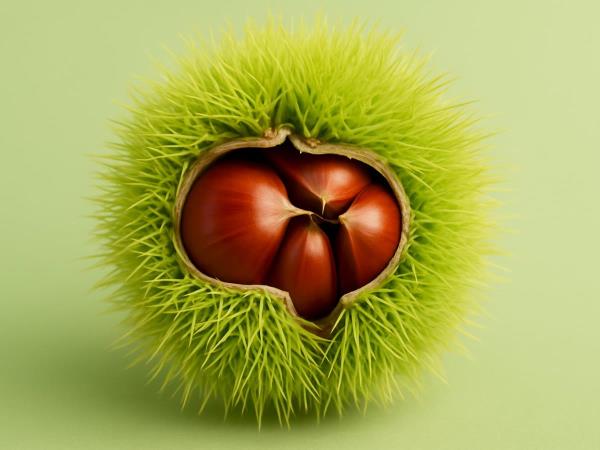


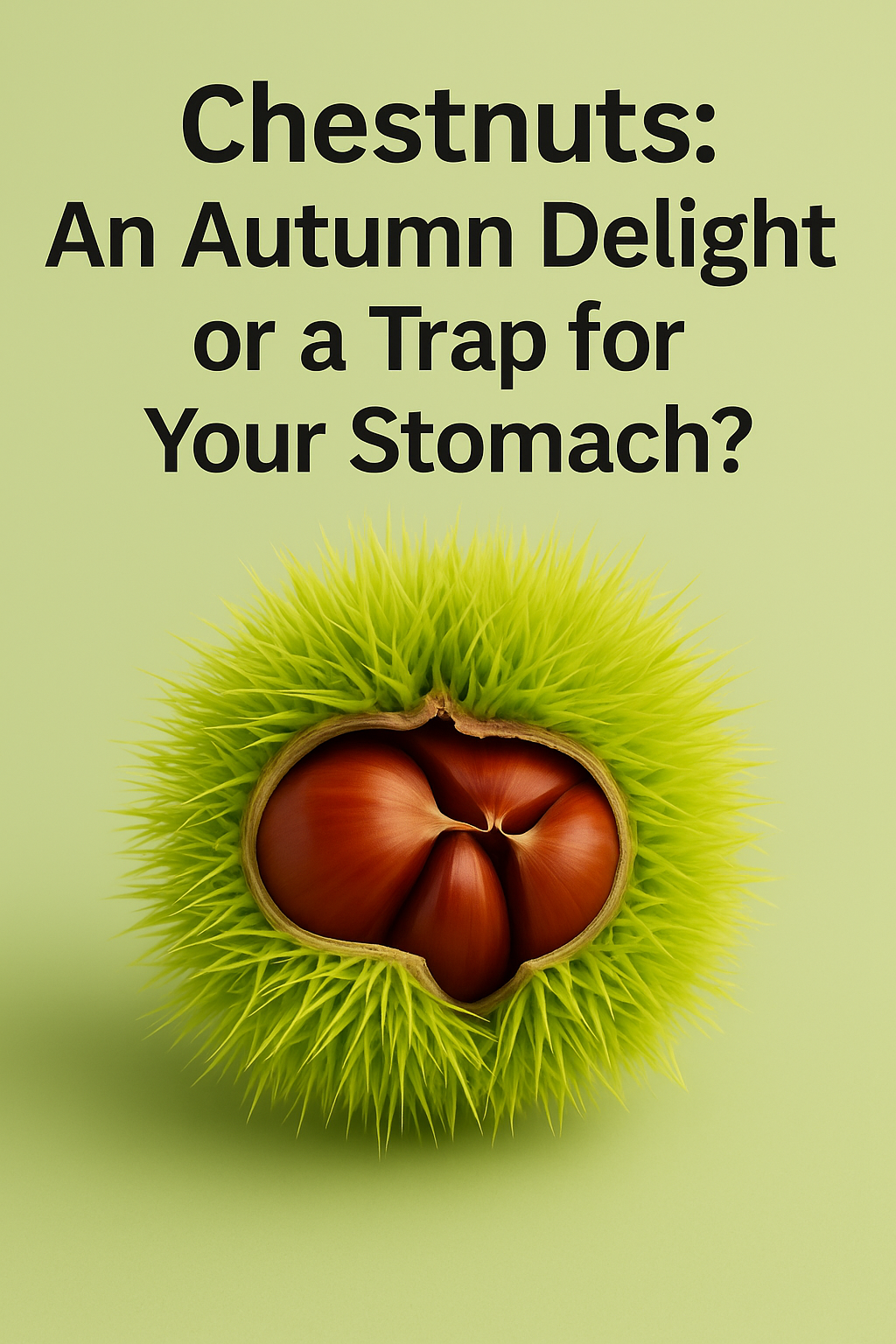


Chestnuts: An Autumn Delight or a Trap for Your Stomach?
expert, nutritionist
Chestnuts: An Autumn Delight or a Trap for Your Stomach?
Packed with vitamins, minerals and surprising amounts of vitamin C, yet rich in starch and calories – chestnuts are a seasonal treat with two faces. Enjoyed mindfully and in sensible portions, they can be a wholesome part of your autumn table.
One warm, fragrant paper cone of roasted chestnuts from a street vendor can easily deliver as many calories as a full meal – and for some people, an evening of bloating, cramps and regret. Yet few foods smell more like autumn. So should you reach for them or walk past the stall? The answer lies in how many you eat, how well they are cooked and what you pair them with.
A Winter Song Written in a Heat Wave
Few people know that one of the most famous chestnut images in the world was born on a sweltering summer day. In July 1945, singer and songwriter Mel Torm{-15447} and his writing partner Bob Wells were trying to "think cool" during a California heat wave. Wells had jotted down a few wintry lines, starting with chestnuts roasting on an open fire, and within about forty minutes the two had turned them into The Christmas Song, later made famous by Nat King Cole. Torm{-15447} later admitted he never expected the tune to become a holiday classic – but it cemented roasted chestnuts as the ultimate symbol of cosy, cold-weather comfort food.
Our readers have their own chestnut stories, though not always as romantic. One reader told us she and her husband shared a large bag of roasted chestnuts at a Christmas market, then followed it with mulled wine and a sausage. "Delicious for twenty minutes, miserable for the rest of the night," she wrote. "Now I eat a small handful slowly, and I make sure they're properly roasted. No more problems." Her experience sums up the whole story of this article.
From Staple Food to Seasonal Snack
In the old days, chestnuts replaced grains during the winter months and were a main source of nutrition. In parts of southern Europe they were even called "the bread of the poor" or "the bread tree", and mountain communities relied on chestnut orchards as a staple food for much of the year until the early 20th century, when maize and potatoes gradually took their place.
Over the years, the role of chestnuts faded, partly because of the side effects they can cause. We should not forget that the stomach and small intestine pass on to the large intestine anything they cannot fully digest, where gut bacteria try to break it down by fermentation. This can cause unpleasant gas, a feeling of fullness, bloating and even cramps.
Cooking matters a great deal. As Grazia magazine notes in its overview of the pros and cons of chestnuts, undercooked or poorly roasted chestnuts leave the starch partly raw, which can lead to a heavy feeling in the stomach and bloating. New Zealand's public broadcaster RNZ also listed chestnuts among autumn foods to enjoy with care, because their high starch and fibre content can cause indigestion when eaten in large amounts. If you are prone to bloating, our guide Get Rid of Bloating and Excess Water offers more practical everyday tips.
Why Chestnuts Remain So Tempting
Despite their drawbacks, the sweet taste of chestnuts is still very tempting – and they do bring something to the table. Unlike walnuts, almonds or hazelnuts, chestnuts are low in fat and high in complex carbohydrates, which release energy more slowly than simple sugars. They also provide fibre, potassium, magnesium, B vitamins and plant antioxidants. Naturally gluten-free, chestnuts and chestnut flour are also a welcome option for people who avoid gluten.
Chestnut honey deserves a special mention. Dark, slightly bitter and strongly aromatic, it is valued by honey lovers for its distinctive taste and is often described as one of the richer honeys in plant compounds. As with any honey, it is still a sugar, so a spoonful is a treat rather than a remedy.
Sweet Chestnut or Horse Chestnut? An Important Difference
Old folk wisdom often credits "chestnuts" with easing varicose veins, sore muscles, swollen feet and even supporting blood vessels. Most of these traditional uses actually refer to a completely different tree – the horse chestnut (Aesculus hippocastanum), not the edible sweet chestnut (Castanea sativa). The two are only distantly related, as Wikipedia's entry on the sweet chestnut explains.
Standardised horse chestnut seed extract has been studied for leg heaviness and swelling linked to poor vein circulation. A Cochrane review of horse chestnut seed extract for chronic venous insufficiency found some encouraging short-term results, while the US National Center for Complementary and Integrative Health (NCCIH) stresses that raw horse chestnut seeds, leaves, bark and flowers are toxic and must never be eaten. Anyone considering such a supplement should first talk to a doctor or pharmacist, especially if they take other medication.
The horse chestnut is also behind another old tradition: its conkers are rich in natural soap-like compounds called saponins, which is why in earlier times they were crushed and used as a washing agent instead of laundry powder. And a word of caution for foragers: Kitchen Stories reminds readers that the shiny round nuts found in parks and along streets are usually inedible horse chestnuts. Edible sweet chestnuts are flatter on one side, have a small pointed tip and grow in very spiny burrs.
The dried leaves of the sweet chestnut have also been used in traditional folk medicine, for example in warm teas or compresses for coughs and to soothe the airways. These are traditional practices rather than proven treatments, so a persistent cough – especially in children – always belongs in the hands of a doctor.
Did You Know? The Numbers Behind the Nut
Did you know that 100 grams of raw chestnuts contain almost as much vitamin C as 100 grams of lemons? According to the USDA FoodData Central database, raw European chestnuts provide roughly 40 mg of vitamin C per 100 g, compared to around 50 mg in lemons – remarkable for a nut, although some of it is lost during roasting.
Chestnuts are, however, fairly high in calories for a snack. 100 grams of raw chestnuts contain around 170–200 kcal depending on the variety and data source, and roasted chestnuts reach about 245 kcal, because they lose water and the nutrients become more concentrated. They contain only a small amount of fat and about 45 percent carbohydrates, mostly starch. If you are watching your weight, it is worth knowing which seemingly innocent foods add up quickly – see Hello, and Fattening: Foods that Sabotage Your Diet.
And one more fun fact... A sweet chestnut tree can grow up to 35 metres tall and live for several hundred years, and a mature, healthy tree can yield from about 100 to 200 kilograms of edible nuts in a good season.
How to Enjoy Chestnuts Without the Discomfort
- Mind the portion. Around 100 grams (roughly 8–10 medium chestnuts) is already a hearty serving and can replace a side dish such as potatoes or bread, rather than being eaten on top of a full meal.
- Cook them thoroughly. Score the shell, roast or boil until the flesh is soft and creamy all the way through. Undercooked chestnuts are harder to digest.
- Eat slowly and chew well. This gives your digestion a head start.
- Be careful with combinations. Chestnuts together with fatty meats, heavy sauces, sweets or large amounts of alcohol are a recipe for a heavy stomach. They pair better with vegetables, such as Brussels sprouts, pumpkin or red cabbage.
- Listen to your body. People with sensitive digestion or frequent bloating may prefer smaller amounts, and anyone with a known nut allergy should check with their doctor.
Many everyday foods cause problems not because they are unhealthy, but because we prepare or combine them in the wrong way. You can read more about this in Foods We Use Incorrectly.
So, Are Chestnuts Healthy?
Chestnuts are neither a superfood nor a forbidden fruit. They are a nourishing, naturally gluten-free seasonal food with a pleasant amount of vitamin C, fibre and minerals – but they are also starchy, filling and not always gentle on the stomach. Be mindful, watch what you combine them with and remember that even 100 grams can count as a substantial meal. Enjoyed this way, a warm handful of chestnuts on a cold evening can be exactly what autumn should taste like.
Information on this website is for educational purposes only and is not medical advice.
expert, nutritionist
 Would you like to be informed about news on the website?









|

