





Six "Healthy" Salad Add-Ins That Are Quietly Wrecking Your Diet
expert, nutritionist
There's a moment almost everyone who's tried to eat healthier has had: you order the salad, feel virtuous about it, and then somehow still don't lose a single pound that week. One home cook who documented her own weight-loss attempts online put it simply — she assumed any bowl with the word "salad" in it was a safe bet, until she actually looked at what she was pouring over her lettuce and realized the dressing alone was doing more damage than the burger she'd skipped. It's a common story, and it points to something worth knowing before your next trip to the salad bar.
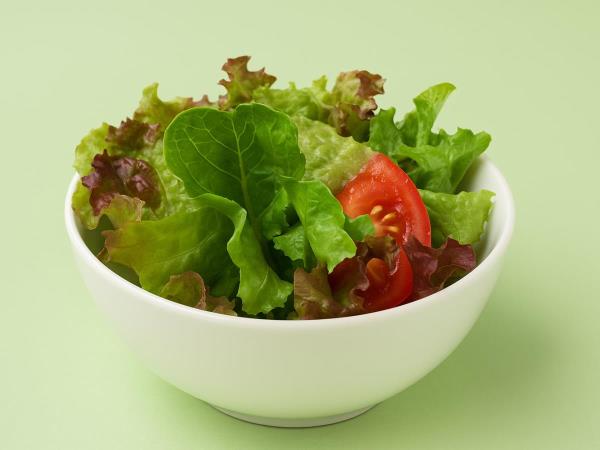
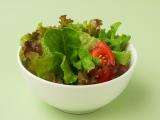
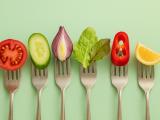
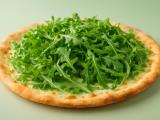
If you toss together whatever vegetables are in the fridge, chances are you'll do just fine — a plate of tomatoes, arugula and other leafy greens is genuinely hard to go wrong with. The trouble starts when you add just one "wrong" ingredient on top, because it can undo the entire nutritional benefit of everything else on the plate. Most people think of salad as an automatic weight-loss meal, and that isn't always true — a loaded entr{-15447}e salad can rack up over 1,000 calories once dressing, cheese, croutons and toppings are added in, while a simpler version with lean protein and light dressing can come in under 250. Here are the ingredients most likely to quietly turn your "diet" salad into the opposite.
Corn
Corn is heavy in carbohydrates and calories, and while it doesn't necessarily clash with the other ingredients in your bowl, a salad built around it is far from a low-calorie meal. If you can help it, try to keep corn out of your "diet" salads — it works better as its own side dish, eaten on its own, ideally a couple of hours apart from other meals. For more on foods that look wholesome but can undercut a diet in the same sneaky way, Foodwhisper has a related piece: Hello, and Fattening: Foods that Sabotage Your Diet.
Sour Cream
Sour cream is another calorie-dense add-in, and dishes built around it tend to sit heavier and take longer to digest. A salad dressed generously with sour cream can end up working against your goals rather than for them, even though it feels like a "light" topping compared to something like mayonnaise.
Pasta
To make a salad more filling, many people stir in cooked pasta — but nutritionally, that's not far off from pairing a healthy meal with two or three extra slices of white bread. If weight management is the goal, it's worth skipping pasta salads altogether, or treating them as an occasional treat rather than a diet staple.
Salted Nuts
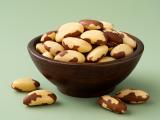
Nuts themselves are a welcome addition to almost any salad, but salted or roasted-and-salted versions are a different story. That extra sodium encourages your body to hold onto water and can leave you feeling thirstier, which is part of why heavily salted foods tend to be more calorie-dense than their plain counterparts — excess sodium intake is linked to water retention and bloating. Even a small handful of salted nuts can offset much of the benefit of an otherwise healthy salad, so reach for the raw or unsalted version instead.
Bacon
It's tempting to think a little bacon can't do much harm in an otherwise vegetable-heavy dish, but bacon is high in saturated fat and sodium, and that combination can make a salad harder on digestion rather than easier. Nutrition reviews note that bacon's saturated fat content is one of the main reasons it's best kept as an occasional addition rather than a daily habit, especially if you're trying to get the most nutritional value out of the vegetables underneath it. Foodwhisper has looked at processed meats like this before in Health: 5 Foods That Shorten Your Lifespan.
Mayonnaise
Think about how mayonnaise is actually made — it's essentially oil emulsified with egg yolk — and it starts to make sense that regular mayonnaise-based salad dressing comes in at around 680 calories per 100 grams, according to USDA FoodData Central. Eat a bowl of the healthiest salad in the world with a generous spoonful of mayonnaise on top, and you've just added a serious calorie load to what looked like a light meal. As a general rule, most creamy, oil-based salad dressings work against a weight-loss diet rather than for it.
What Actually Makes a Salad "Diet-Friendly"
None of this means salads are a bad choice — quite the opposite. The point is that the vegetables aren't usually what derails a diet; the toppings are. Foodwhisper's own deep dive into what actually belongs in a filling, healthy bowl is worth a read here: When Vegetables Become a Meal: What Is Salad Missing To Really Fill You Up, along with a closer look at how easily a "healthy" salad can go wrong in When salad isn't healthy, and coffee isn't what you think.
Information on this website is for educational purposes only and is not medical advice.
expert, nutritionist
 Would you like to be informed about news on the website?




|

