







Vitamins Alone Won't Get You Through Winter — So What Else Belongs in the Recipe for Health?
expert, nutritionist
Every autumn, pharmacy shelves fill up with vitamin C tablets promising to keep colds at bay. If your winter health plan begins and ends with a bottle of supplements, though, you may be missing more than half the picture.
One home cook we spoke with keeps a bowl of citrus fruit on her kitchen counter every October, calling it "edible insurance." Most winters, she still catches at least one cold anyway — and her experience lines up with what the research keeps finding: vitamin C is a smaller piece of the resilience puzzle than most of us assume.
It's Not Just Vitamins
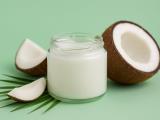
Vitamins are only one part of the story. Minerals matter just as much — iron and magnesium in particular play key supporting roles in energy and immune function, according to the National Institutes of Health's Office of Dietary Supplements. Fat also deserves a place at the table: roughly half of all vitamins are fat-soluble, meaning the body needs some dietary fat around to absorb them properly.
Movement Helps — But More Isn't Automatically Better
None of this does much good without physical activity. The encouraging part is that you don't need much of it. A brisk half-hour walk through the woods is, for most healthy adults, already a meaningful contribution to overall wellbeing — in the same way the body doesn't actually need enormous quantities of food to function well, it doesn't need marathon training sessions either. Moderate, consistent movement tends to beat occasional extremes.
The Half of Health We Talk About Less: Your Mind
Diet and movement cover roughly half the picture. The other half depends on stress levels, mental workload, and how we're coping day to day. A growing body of occupational health research links chronic workplace stress to higher rates of sick leave, although the exact size of the effect varies a great deal between studies and workplaces — it's less about a single statistic and more about a consistent pattern: bodies under sustained psychological pressure appear more prone to getting sick.
So does that mean someone who eats a varied diet, stays moderately active, and feels generally content is safe from every winter cold and flu?
Not quite.
The Piece Everyone Forgets: Hygiene
Without decent personal hygiene — and the hygiene of everyone you share door handles, keyboards, and break rooms with — none of the above will keep you safe for long. A well-fed, well-rested immune system still has to contend with a colleague who sneezes into their hand and then reaches for the shared coffee pot.
What the Research Actually Says About Vitamin C
So where does that leave vitamin C itself? A 2023 meta-analysis published in BMC Public Health found that vitamin C reduced the severity of common cold symptoms by around 15%, with a more noticeable effect on severe symptoms than mild ones (Hemilä & Chalker, 2023). The benefit is real but modest — and it doesn't scale indefinitely with higher doses. Very high intakes can bring stomach upset, and according to the NIH's Office of Dietary Supplements, the tolerable upper intake level for adults sits at 2,000 mg per day. Research also suggests that high-dose supplemental vitamin C (roughly 1,000 mg or more daily) may be associated with a higher risk of kidney stones in men, though not consistently in women (Ferraro et al., 2016, American Journal of Kidney Diseases).
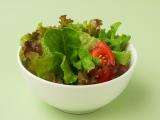
The reassuring part: reaching a solid daily intake through food is easy and low-risk. Roughly 100 g of broccoli, 150 g of cabbage, or 200 g of spinach will get most adults there, and so will two medium oranges or two kiwifruit. Bell peppers, parsley, tomatoes, bananas, and kale all contribute meaningfully too — and gram for gram, some nutrient databases show strawberries containing slightly more vitamin C than lemons, which tends to surprise people.
One practical note worth keeping in mind: vitamin C is sensitive to prolonged heat, light, and oxygen exposure. It's the extended cooking — especially boiling — combined with long storage and light exposure that erodes it fastest, which is why lightly steaming or eating vitamin-C-rich vegetables raw preserves more of it than a long simmer.
The Bottom Line
No single habit — not vitamins, not exercise, not a calm mind, and not hand-washing on its own — carries the full weight of getting through winter healthy. It's the combination that does the work, and skipping any one piece tends to show up as one more cold on the calendar.
Information on this website is for educational purposes only and is not medical advice.
expert, nutritionist
 Would you like to be informed about news on the website?












|

