






The Freezer Aisle Secret: 5 Foods That Are Better for You Frozen Than "Fresh"
expert, nutritionist
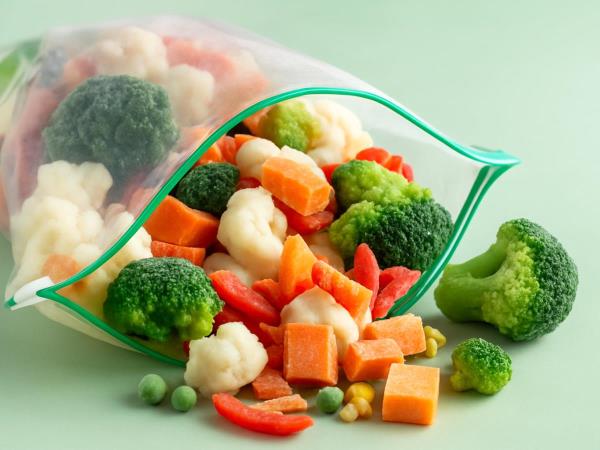
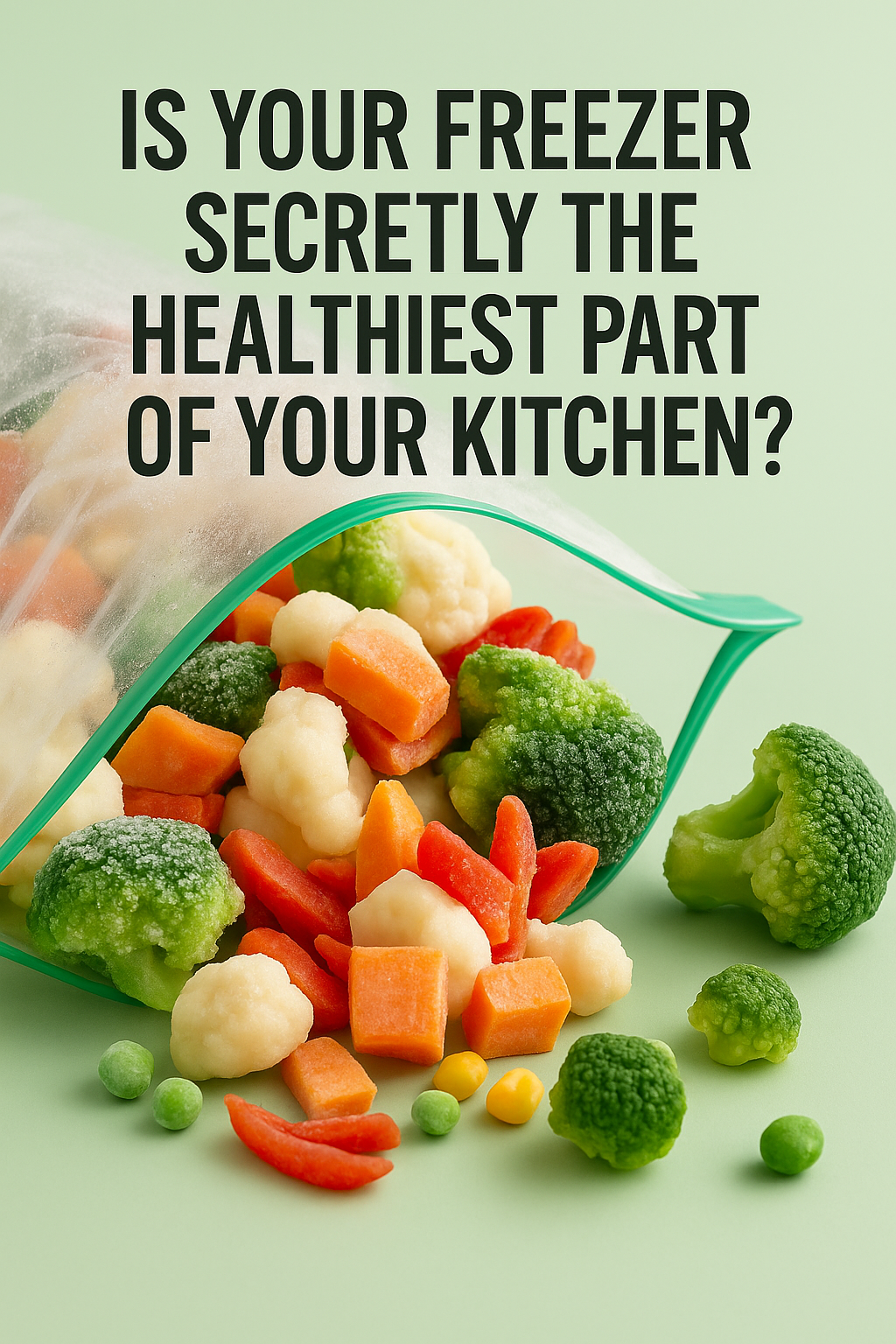
Frozen blueberries can test higher in vitamin C than the "fresh" berries sitting in the produce aisle, and broccoli can start losing nutrients within hours of being picked. So is your freezer secretly the healthiest part of your kitchen?
Even celebrity chefs have come around to this idea. Bobby Flay has said that he reaches for frozen peas over fresh ones most of the time, explaining that "frozen peas are frozen at their very, very peak sweetness." Peak sweetness, in produce terms, usually lines up with peak nutrient content too.
Some research backs up the general idea. A widely cited two-year study from the University of Georgia, published in the Journal of Food Composition and Analysis, compared vitamin C, vitamin A, and folate levels across fresh, "fresh-stored," and frozen versions of broccoli, cauliflower, corn, green beans, green peas, spinach, blueberries, and strawberries. The researchers found that once typical refrigerator storage time was factored in, frozen produce held its own — and in some cases came out ahead of produce that had been sitting in the fridge for a few days. As one of the study's lead researchers put it, freezing can act like nature's pause button on nutrient loss.
None of this means fresh produce is a bad choice — seasonal, locally grown fruits and vegetables remain an excellent part of a balanced diet. But if you're stocking up on home-grown produce right now while the markets are full, it may be worth reserving some space in your freezer too. Here are five foods where freezing appears to be a particularly smart move.
1. Broccoli
Broccoli is a good source of vitamins A and C and dietary fiber, and it's often mentioned alongside other nutrient-dense "superfoods." What many people don't realize is how quickly that nutritional value can slip away: some research suggests broccoli can lose roughly 0.5% of its nutrient value per hour once it's off the plant, whether it's sitting in the fridge or on the counter. That's why, when it comes to broccoli, freezing it as soon as possible after harvest may help lock in more of its nutritional value. For more on how vegetables are typically frozen at peak ripeness, Healthline's comparison of fresh and frozen produce is a helpful overview.
2. Carrots
Fresh carrots can turn soft and slightly rubbery after just a few days in the fridge, and their beta-carotene content may decline by a few percent per day during that time. Beta-carotene is linked to skin and eye health, so a steady supply matters — and this is one more case where frozen carrots may hold on to more of their nutritional value than a bag that's been in the crisper drawer for a week.
3. Spinach
Spinach is another vegetable often labeled a "superfood," but it's a fragile one. Fresh spinach can lose a large share of its usable nutrient content after about a week at room temperature or in the refrigerator. Frozen spinach, picked and frozen shortly after harvest, tends to hold onto more of its nutrient profile over time — so, as with broccoli, the advice is the same: freeze it as soon as you can after picking or buying it.
4. Berries
Raspberries, blackberries, strawberries, blueberries, redcurrants — berries of all kinds can start losing potency within minutes of being picked, which means the "fresh" berries on supermarket shelves may already have lost a meaningful share of their original nutrient content, even in peak season. This is one of the better-documented cases in the research: the University of Georgia study mentioned above found that frozen blueberries and strawberries could test comparably to, or even higher than, their fresh-stored counterparts in vitamin C content, and other outlets covering the same field of research have reported similar patterns — see, for example, FoodNavigator-USA's coverage of frozen produce and vitamin retention. The takeaway for home growers is simple: if you're picking your own berries this season, getting them into the freezer quickly may help preserve more of their nutritional value.
5. Peas
Frozen peas are about as low-effort as vegetables get — no shelling, no prep, straight from freezer to pan — and they may also be one of the more nutritionally solid choices in the freezer aisle. It's exactly why a chef with Bobby Flay's reputation reaches for them ahead of fresh peas most of the time.
Information on this website is for educational purposes only and is not medical advice.
expert, nutritionist
 Would you like to be informed about news on the website?








|

