





Popcorn Beats Apples, and Sugar Beats Honey: 8 Nutrition Face-Offs That Flip Everything You Thought You Knew
expert, nutritionist
Most of us grew up sorting foods into two neat piles: "healthy" and "not so healthy." But nutrition rarely works that cleanly. Even lifelong health-conscious eaters get tripped up by pairings that look obvious on the surface but tell a different story once you check the actual numbers. Take Oprah Winfrey, who has spoken publicly for years about her love of Garrett's Popcorn — a snack many people still assume belongs in the "guilty pleasure" category, right next to apples in the "obviously virtuous" one. As it turns out, the popcorn-versus-apple comparison below is exactly the kind of assumption worth double-checking.
We put eight common food pairs side by side. None of these numbers are a reason to change your diet overnight — think of them as small corrections to the mental shortcuts we all use at the grocery store.
1. Apple Juice or Soda?
It sounds almost wrong to say out loud: a glass of pure, "natural" apple juice can carry around 115 calories, while the same amount of regular soda comes in at roughly 95. According to USDA FoodData Central, fruit juices concentrate the natural sugars of the fruit without the fiber that would normally slow their absorption, which is one reason nutritionists increasingly lump 100% juice in with other sugary drinks when it comes to calorie counting. This isn't an argument for switching to soda — it's simply a reminder to count juice toward your daily sugar tally, not treat it as a free pass. For a deeper look at where sugar hides in "healthy" drinks and snacks, see Hello, and Fattening: Foods that Sabotage Your Diet on Foodwhisper.com.
2. Raw Carrots or Cooked?
Raw vegetables generally keep the edge on the nutrition scoreboard, and that's broadly true here too: raw carrots retain more beta-carotene in its original form, which the body converts into vitamin A. But cooking changes the equation in an interesting way — heat breaks down the tough plant cell walls, which some research suggests may make certain nutrients easier for the body to absorb. A similar effect shows up with tomatoes and lycopene, the antioxidant linked to supporting the body's defenses against cell damage. Foodwhisper.com covers more everyday vegetables where beta-carotene plays a starring role in 7 Types of Vegetables That Heal the Body.
3. Sushi or a Hamburger?
Calorie for calorie, burgers tend to come out on top — but carbohydrates flip the script. A 100-gram portion of shrimp or fish sushi can carry around 60 grams of carbohydrates, compared to roughly 37 grams in an average hamburger. If you're watching carb intake specifically (rather than total calories), that's worth knowing before you assume sushi is automatically the "lighter" order. It's also worth remembering that not all burgers are created equal — some contain far less actual meat than their labeling suggests, as Foodwhisper.com explains in When Salad Isn't Healthy, and Coffee Isn't What You Think.
4. Soy Sauce or Table Salt?
Soy sauce sometimes gets recommended as a lower-sodium alternative to salt, but the reality can run the opposite direction: splash-for-splash, soy sauce frequently contains two to three times more sodium than an equivalent amount of table salt used directly. A single meal at a soy-sauce-heavy restaurant can push your daily sodium intake well past recommended limits without you noticing, since liquid seasonings are easy to over-pour. Foodwhisper.com looks at how sneaky sodium sources add up over time in 6 Foods You Shouldn't Eat After Turning 40.
5. Honey or Sugar?
Can plain white sugar actually come out "ahead" of honey in any comparison? By the numbers, yes: according to the USDA FoodData Central database, a teaspoon of honey contains around 21 calories, compared to about 16 calories in a teaspoon of granulated sugar. So if you're sweetening your tea purely for calorie-counting purposes, sugar technically has the lower number. That said, honey brings trace antioxidants and a slightly different sugar profile to the table that plain sugar doesn't — it's simply not automatically the "lighter" option calorie-for-calorie. For sweetener swaps and moderation tips, Foodwhisper.com's guide on cutting back on sugar is worth a look.
6. Popcorn or an Apple?
This is the pairing that surprises almost everyone. Researchers at the University of Scranton, led by chemist Joe Vinson, measured the antioxidant content of popcorn and found that air-popped popcorn's hulls are unusually concentrated in polyphenols — a class of antioxidants — because popcorn is only about 4% water, compared to roughly 90% water in most fruits and vegetables, which dilutes their antioxidant concentration by comparison. Some reporting on related research has cited figures as high as 300 mg of polyphenols per serving of popcorn versus around 160 mg for a typical serving of fruit. None of this makes popcorn a health food on its own — a lot depends on how it's prepared, since butter, oil, and salt can quickly undo the benefit. Air-popped, lightly salted popcorn is the version researchers point to. And yes, it's a snack habit shared by more than a few famous popcorn fans, Oprah Winfrey among them.
7. Cheese or Milk?
Cheese is unquestionably higher in fat and calories than milk, but calcium tells a different story: 100 grams of hard cheese can provide around 750 mg of calcium, compared to roughly 113 mg in the same amount of milk. According to the NIH Office of Dietary Supplements, adults generally need around 1,000–1,300 mg of calcium a day for bone health, so a small piece of cheese can meaningfully contribute toward that target in a very compact package. Portion size still matters, given cheese's calorie density — moderation is the operative word, not exclusion.
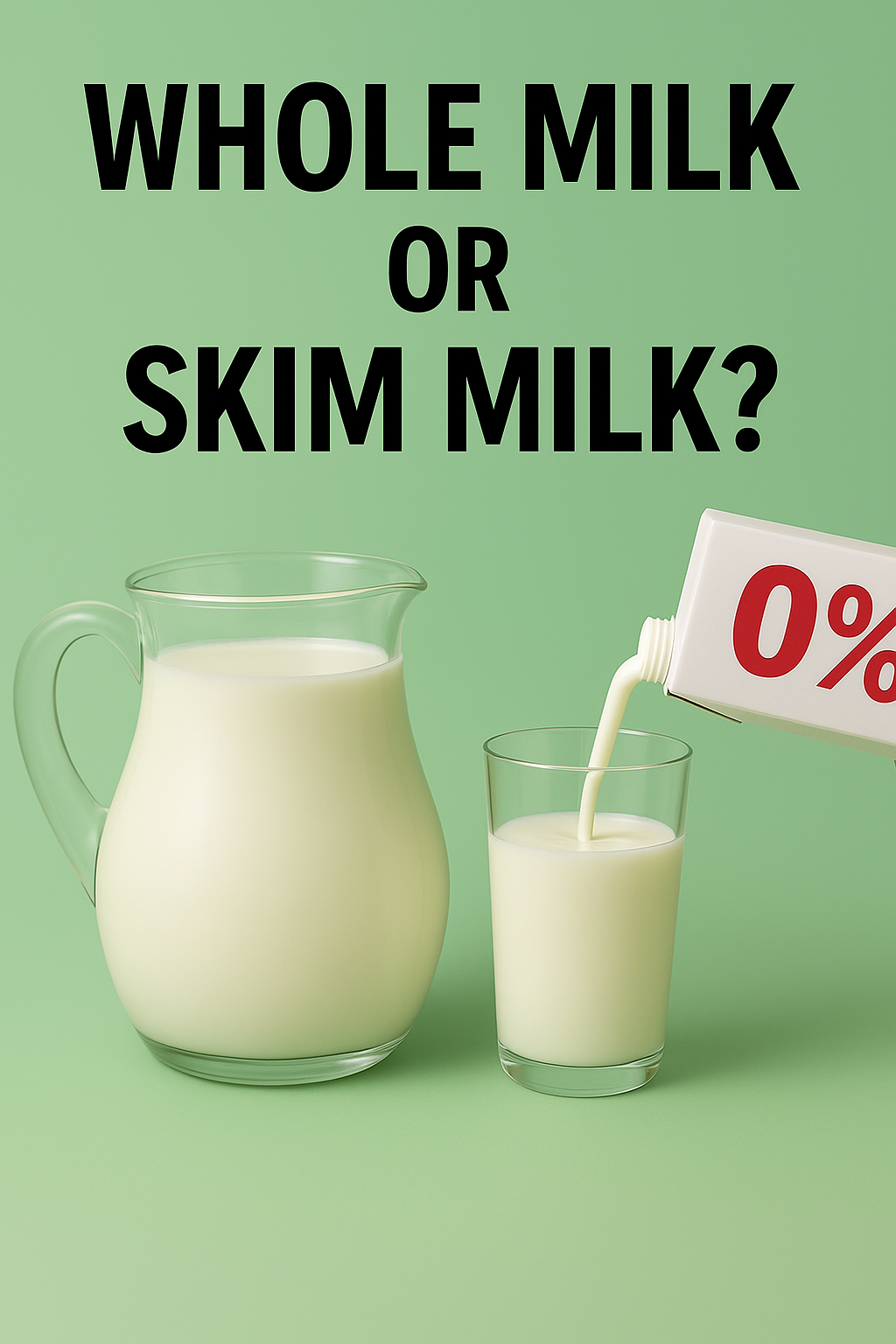
8. Whole Milk or Skim Milk?
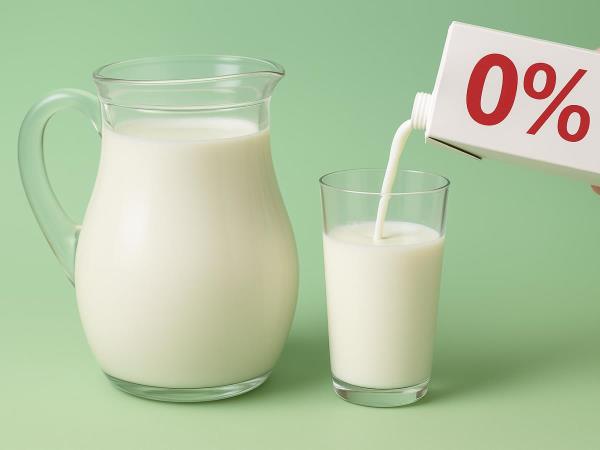
Skim milk is lower in calories and generally easier on the stomach for people who are sensitive to lactose, so it's an understandable default choice. But milk fat carries fat-soluble vitamins — A, D, E, and K — along with it, meaning skim milk loses much of that vitamin content unless it's specifically fortified to replace it. The same trade-off applies to low-fat yogurt, cottage cheese, and kefir. Checking the label for fortification is a simple way to make sure you're not missing out on those vitamins if you prefer the lower-fat versions.
The Takeaway
None of these comparisons are an argument for eating any particular food more or less — they're simply a reminder that "healthy" and "unhealthy" rarely map onto foods as neatly as we'd like. The full picture always depends on portion size, preparation, and how a food fits into your diet as a whole. If a specific health condition is part of your decision-making — managing diabetes, blood pressure, or bone density, for example — it's worth talking those specifics through with a doctor or registered dietitian rather than leaning on any single comparison, including the ones above.
Information on this website is for educational purposes only and is not medical advice.
expert, nutritionist
 Would you like to be informed about news on the website?















|

