






Parmesan, Beer, and Jelly Beans: 7 "Vegetarian" Foods That Secretly Aren't
expert, nutritionist
In 2001, McDonald's paid out a $10 million settlement after admitting its "vegetarian" french fries were actually fried in a beef-derived flavoring agent — a detail that had gone unnoticed by millions of customers, including vegetarians and Hindus, for years. It's one of the most famous examples of a food hiding in plain sight, and it's far from the only one. From the cheese on your pasta to the wine in your glass, a surprising number of everyday products contain small traces of animal origin that never make it onto the label in plain language. Here are seven of the most common — and what to look for instead.
1. Parmesan
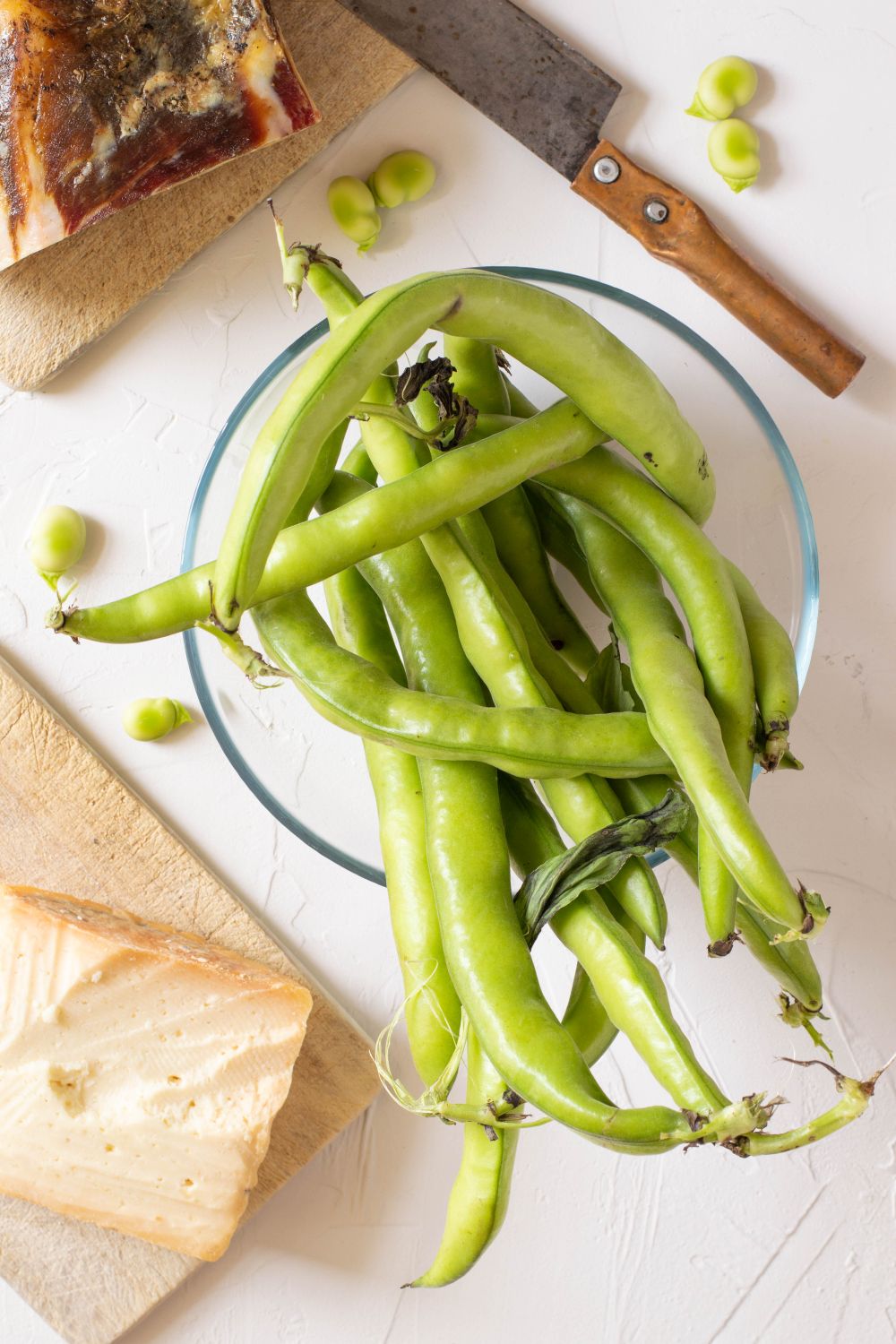
Traditional hard cheeses were once made almost exclusively with rennet, a set of enzymes — chymosin being the key one — taken from the stomach lining of young calves, where it naturally curdles milk into curds and whey. Today, most cheese production has moved away from this, with less than 5% of cheese made in the United States now using animal rennet, the rest relying on microbial or vegetable-based substitutes. The exception is many of the classic Italian PDO cheeses: authentic Parmigiano Reggiano, along with Grana Padano and some Gorgonzola, are still required by their production rules to use traditional animal rennet, which is why they aren't considered vegetarian. If you love that salty, nutty flavor but want to skip the rennet, look for cheeses explicitly labeled "vegetarian" — as it turns out, cutting back on animal-derived cheese also tends to go hand-in-hand with the broader shift toward a more plant-based plate.
2. Crisps and Chips
Even crisps that are technically fried in sunflower or rapeseed oil aren't automatically vegetarian. Many manufacturers add small amounts of animal-derived flavoring — often rendered chicken or pork fat — to achieve that "roast" or "smoky bacon" taste, and the practice isn't limited to obviously meaty flavors; even plain and cheese-flavored crisps sometimes rely on animal-based seasoning bases. If you want a snack you can trust is fully plant-based, homemade oven-baked slices remain the safest bet, or look specifically for a "suitable for vegetarians" mark on the bag.
3. Bright Red Candy (and Yogurt, and Lipstick)
That vivid, almost unnaturally bright red or pink color in some candies, fruit yogurts, and sauces often comes from carmine (also called cochineal extract or E120) — a natural dye made by crushing dried female cochineal insects. It sounds unlikely, but it's true, and it's been used as a colorant since Aztec times. In the United States, the FDA now requires carmine and cochineal extract to be named specifically on ingredient labels, partly in response to reports of allergic reactions, so it's easier than it used to be to spot and avoid if you'd rather not eat it. Plant-based alternatives like beetroot juice and paprika extract are increasingly used instead.
4. Jelly and Gummy Sweets
Gelatin gives jelly sweets, some yogurts, cakes, and even certain vitamin capsules their signature chewy, set texture. It's made by simmering down animal skin, bones, and connective tissue, which is why it's one of the most commonly flagged non-vegetarian ingredients on food labels. Gelatin is derived from collagen taken from animal body parts, and it shows up in far more products than most people expect — everything from marshmallows to photographic film has historically used it. The good news is that agar-agar, made entirely from seaweed, does the same gelling job and is widely available as a straightforward swap.
5. White Sugar
This one surprises almost everyone: in the United States, much of the cane sugar sold in stores is whitened during refining using bone char — charred animal bone used as a decolorizing filter. According to the Vegetarian Resource Group's ongoing research into the sugar industry, most major American cane sugar refiners still rely on bone char rather than newer carbon or ion-exchange filtering methods, though the sugar itself contains no actual bone particles by the time it reaches the shelf. Beet sugar, by contrast, never needs this step and is filtered without any animal involvement — so if this matters to you, checking whether your sugar is cane- or beet-derived is the easiest fix. As for cheaper brown sugar, it's typically nothing more than white sugar with molasses added back in for color.
6. Beer and Wine
Cloudy beer and wine are often "fined" — clarified — using isinglass, a collagen product made from the swim bladders of fish, traditionally sturgeon and now more often cod. Isinglass works by binding to yeast particles and pulling them to the bottom of the barrel, and while it's largely filtered out of the finished drink, its use in the process is enough for most vegetarian standards to exclude the final product. Guinness famously switched away from isinglass in 2016 after years of customer pressure. Since it's rarely disclosed on the label, sites like Barnivore let you look up specific brands to check.
7. "Healthy" Fortified Juices
Some fruit, vegetable, and dairy drinks are fortified with omega-3 fatty acids to boost their nutritional appeal — but that omega-3 is frequently sourced from fish oil, often derived from small oily fish like sardines and anchovies, rather than a plant source such as algae or flaxseed. It's worth a quick label check if you're avoiding fish-derived ingredients, since "omega-3 enriched" doesn't automatically mean plant-based.
The Takeaway
None of this means these foods are unhealthy or something to avoid for everyone — it simply means "vegetarian" isn't always as obvious as it looks on the surface. If avoiding animal-derived ingredients matters to you, the safest habit is the same one nutritionists always recommend: read the full ingredient list, not just the front-of-pack claims, and look specifically for a "suitable for vegetarians" or "suitable for vegans" certification mark.
Information on this website is for educational purposes only and is not medical advice.
expert, nutritionist
 Would you like to be informed about news on the website?











|

