


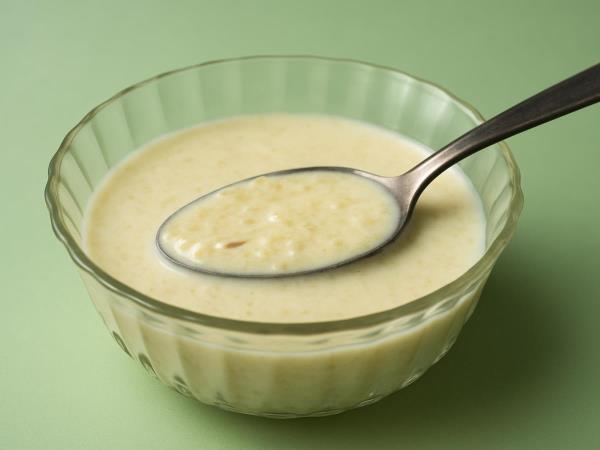


The Golden Wedding-Night Drink: What Raisins, Milk, and Saffron Actually Do for Your Body
expert, nutritionist
Across parts of India and neighboring regions, it's long been customary to serve newlyweds a warm glass of raisin, milk, and saffron before their wedding night — a drink believed to bring energy and vitality. For generations it was treated as little more than a charming custom. But the ingredients themselves have drawn real scientific interest, and it's worth separating what's folklore from what's actually been studied.
One reader who tried the drink during a period of low energy described it this way: "I was skeptical, but I liked the ritual of it — warm milk, a pinch of saffron, and a few minutes to slow down before bed. Whether it was the ingredients or just the ritual, I can't say for sure, but it became part of my evening routine."
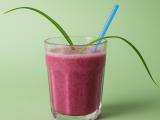
What's in the glass
- 30 g raisins
- 200 ml milk
- A pinch of saffron threads
Preparation: Simmer the raisins in the milk. Add the saffron right at the end, once the drink has cooled slightly — high heat can dull its aroma and color. In the first week, use 30 g of raisins; from the second week on, you can increase to 50 g while keeping the milk quantity the same.
Arginine: the amino acid behind the tradition
Raisins and milk both contain arginine, an amino acid the body uses to make nitric oxide — a compound involved in relaxing and widening blood vessels. This is why arginine has long been associated in folk medicine with circulation and stamina. The body actually produces arginine on its own, so it isn't considered an essential nutrient that must come from food, but it becomes more valuable to the body when demand is high — such as during physical stress, wound healing, or intense activity — which may be part of why traditional cultures linked it with energy and vitality.
You'll find arginine in other everyday plant foods too. Beans and lentils are a well-known source, and the case for plant-based proteins lays out how foods like these support healthy blood flow and circulation.
Saffron: more than a coloring spice
Saffron has been used in food, medicine, and dye for thousands of years. In recent years, it's become one of the more studied spices in nutrition research, mainly for its effects on mood. A randomized, placebo-controlled clinical trial published via PubMed found that healthy adults who took a standardized saffron extract for eight weeks reported improvements in mood and resilience to stress compared with those on a placebo. A separate trial in the American Journal of Clinical Nutrition reported similar mood-related benefits with a well-tolerated safety profile over six weeks.
As for blood pressure, the picture is more preliminary. A clinical review indexed on PubMed has looked specifically at saffron's effect on blood pressure, and reference sources such as WebMD's clinical monograph on saffron note that it may modestly lower blood pressure — which is also why it's worth caution if you're already on blood-pressure medication, since combining the two without medical guidance isn't advisable.
None of this means saffron or arginine can replace medical treatment for high blood pressure, low energy, or any diagnosed condition — the research so far points to modest, supportive effects, not a cure, and results vary between studies and individuals.
A drink rooted in more than superstition
The traditional advice around this drink — a glass a day for glowing skin, two or three a day alongside a balanced diet for those managing their weight — reflects old wisdom more than clinical guidance. If you enjoy it as an evening ritual, there's little downside for most healthy adults, but it shouldn't substitute for medical advice, a balanced diet, or prescribed treatment. If you're pregnant, managing diabetes, or taking blood pressure medication, it's worth checking with your doctor before making it a regular habit, since both milk and saffron can interact with certain conditions and medications.
Information on this website is for educational purposes only and is not medical advice.
expert, nutritionist
 Would you like to be informed about news on the website?










|

