





Date: 07/28/2026 - GOOD TO KNOW
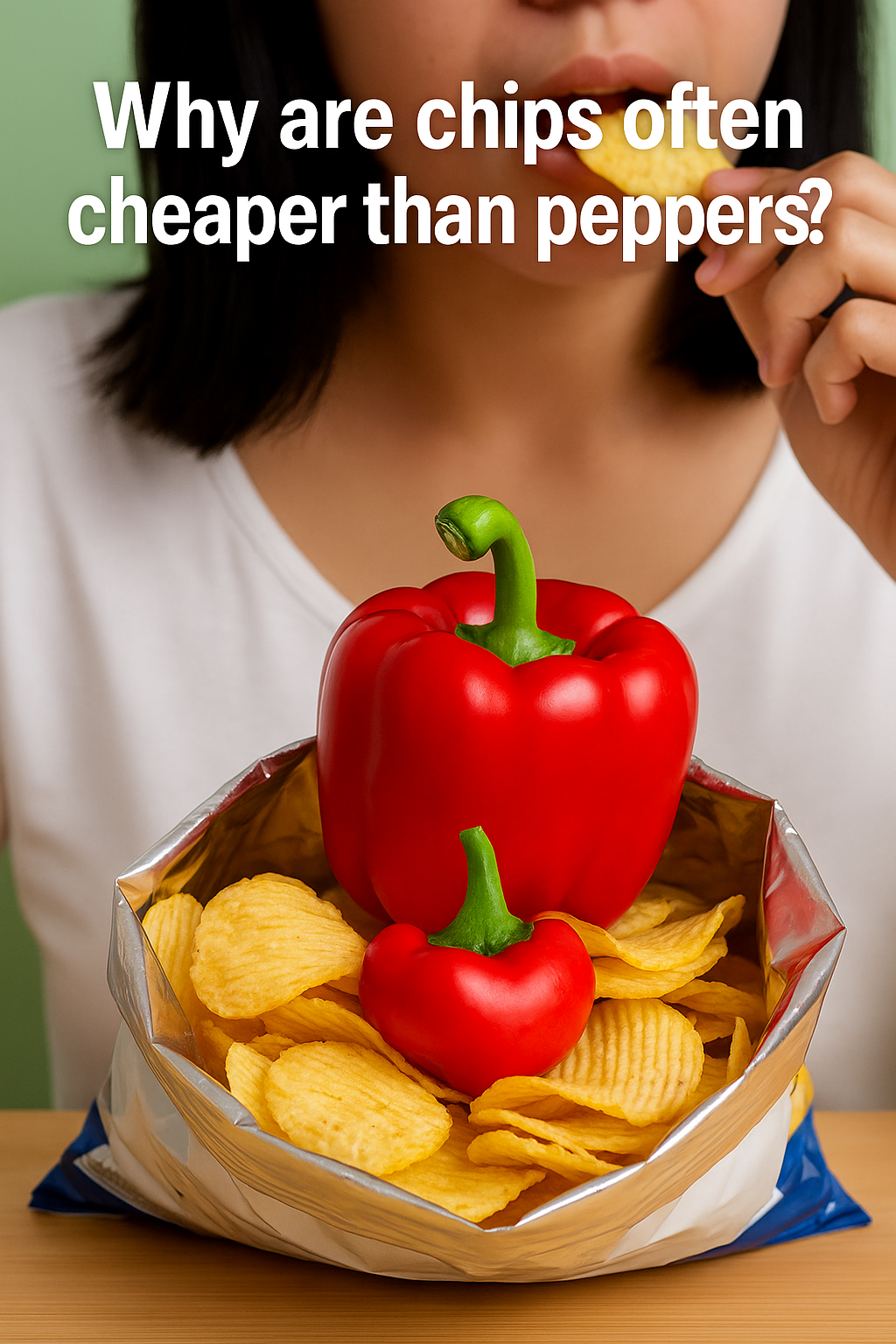
Why are chips often cheaper than peppers and why it’s not your fault
AUTHOR:
Zvone Stor
expert, nutritionist
expert, nutritionist
Healthy food is getting more and more expensive, while cheap processed foods are becoming increasingly accessible. Experts warn that obesity is not just a matter of willpower, but also a systemic issue of prices and subsidies.
When we talk about nutrition, many people first think of grandma’s recipes, homemade herbal teas, and sour milk for strength and a healthy gut... But times have changed.
Nowadays, it’s hard to find time to cook, and even harder to find healthy food in the store that the average person can still afford. And this isn’t just a feeling—now the numbers confirm it too.
For many people, healthy food is too expensive
A group of researchers in the USA conducted a fairly extensive study that included 2,765 people from six major cities. Each person was asked what they eat, where they buy their food, and what prices are like in their local stores. Then, all the food people ate was divided into two groups—healthy and unhealthy. Healthy food included things like fresh vegetables, fruit, and dairy products. Unhealthy food included sweets, sodas, processed snacks, and other empty calories.
The results were as clear as day. Wherever healthy food was more expensive, people more often reached for unhealthy options. And, interestingly, this wasn’t most noticeable among the poorest. The poorest were already mostly eating the cheapest foods, regardless of how healthy they were. The biggest change was seen among those from the middle class, who have a regular salary, but still have to carefully consider what goes into their shopping basket.
Prices speak for themselves: yogurt or chocolate drink?
If we compare the prices of basic foods in our country, we get a similar picture. A liter of natural yogurt with less fat costs about €1.60, while a bottle of soda of the same amount is often available for less than a euro. For a kilo of fresh peppers, you might pay up to 3 euros, while a bag of chips with 150 grams is often discounted to 99 cents.
In the last ten years, the price of fruit in many countries has risen by 37%, the price of vegetables by 34%, while the price of sugary drinks and processed foods is changing much more slowly—sometimes even decreasing because of promotions and deals. Similar trends are being seen all across Europe.
But what about health?
The World Health Organization (WHO) notes that obesity is one of the fastest-growing health problems of modern times. In 2022, according to their data, more than 650 million adults worldwide were obese, which means that every eighth person in the world is overweight. In Europe, more than 58% of adults are already dealing with this, with almost every fifth person already classified as obese.
It's not just about aesthetics. Obesity is linked to over 30 different diseases, including high blood pressure, type 2 diabetes, joint problems, heart issues, and even some types of cancer. In addition, obesity also affects sleep quality, concentration, and mental well-being.
Why isn’t healthy food more accessible?
Here we can refer to popular wisdom: What is good, isn’t cheap. But when it comes to food, it should really be the opposite. Healthy food should be the cheapest, as it’s the foundation for a long, healthy, and productive life. But the problem lies in subsidies and agricultural policy. Various incentives mostly support the production of corn, wheat, and sugar, rather than fruit and vegetables.
In the USA, for example, more than 60% of all agricultural subsidies go to the production of grains, which are then processed into corn syrup and other cheap additives for processed food. It’s similar in the European Union, where the common agricultural policy system still rewards quantity more than quality. The result? Sweets and snacks full of additives are often cheaper than organic apples.
What does folk wisdom say?
For centuries, people have known what benefits the body. Old recipes, like fermented sour milk, natural apple cider vinegar, nettle tea, and homemade onion soup, didn’t come about by accident. They had their own logic, which today’s research even confirms. Fermented products, for example, contain good bacteria that regulate digestion and strengthen immunity. Nettle is full of iron and vitamins. And apple cider vinegar helps regulate blood sugar, which can decrease cravings for sweets.
So it’s worth asking: today, amid all the dazzle of commercials and promotional offers, can we still listen to common sense? Or will we believe an ad for vitamin-fortified candy over homemade soup made from healthy ingredients?
Solutions exist – but they’re not instant
If we want as a society to reduce obesity and encourage people to live healthier lives, we first need to ensure that healthy food is more accessible and affordable. Local initiatives can help here, like community gardens, farmers’ markets, and school nutrition programs. A positive attitude toward food starts from a young age.
Additionally, we should also consider tax incentives. In some countries, they have already introduced higher taxes on sugary drinks. Mexico (known as the biggest consumer of Coca-Cola) managed to reduce consumption by 7.6% in the first year with this measure. In Finland, similar measures reduced candy consumption among youth by almost 15%.
To the question of whether cheap unhealthy food is to blame for obesity, the answer is: yes, and on multiple levels. It’s not just up to the individual’s decision, but a broader systemic problem driven by the economy, advertising, and even politics. But as individuals, we all still have the power of choice. Each time we reach for food, we’re deciding not just on a meal, but on our health ten years from now.
So, next time you visit the store, take a few extra minutes, check out the seasonal section with fruits and vegetables, pick a cup of plain yogurt, and make yourself some homemade mint or nettle tea. Your body will thank you ... and maybe your wallet too.
Information on this website is for educational purposes only and is not medical advice.
Nowadays, it’s hard to find time to cook, and even harder to find healthy food in the store that the average person can still afford. And this isn’t just a feeling—now the numbers confirm it too.
For many people, healthy food is too expensive
A group of researchers in the USA conducted a fairly extensive study that included 2,765 people from six major cities. Each person was asked what they eat, where they buy their food, and what prices are like in their local stores. Then, all the food people ate was divided into two groups—healthy and unhealthy. Healthy food included things like fresh vegetables, fruit, and dairy products. Unhealthy food included sweets, sodas, processed snacks, and other empty calories.
The results were as clear as day. Wherever healthy food was more expensive, people more often reached for unhealthy options. And, interestingly, this wasn’t most noticeable among the poorest. The poorest were already mostly eating the cheapest foods, regardless of how healthy they were. The biggest change was seen among those from the middle class, who have a regular salary, but still have to carefully consider what goes into their shopping basket.
Prices speak for themselves: yogurt or chocolate drink?
If we compare the prices of basic foods in our country, we get a similar picture. A liter of natural yogurt with less fat costs about €1.60, while a bottle of soda of the same amount is often available for less than a euro. For a kilo of fresh peppers, you might pay up to 3 euros, while a bag of chips with 150 grams is often discounted to 99 cents.
In the last ten years, the price of fruit in many countries has risen by 37%, the price of vegetables by 34%, while the price of sugary drinks and processed foods is changing much more slowly—sometimes even decreasing because of promotions and deals. Similar trends are being seen all across Europe.
But what about health?
The World Health Organization (WHO) notes that obesity is one of the fastest-growing health problems of modern times. In 2022, according to their data, more than 650 million adults worldwide were obese, which means that every eighth person in the world is overweight. In Europe, more than 58% of adults are already dealing with this, with almost every fifth person already classified as obese.
It's not just about aesthetics. Obesity is linked to over 30 different diseases, including high blood pressure, type 2 diabetes, joint problems, heart issues, and even some types of cancer. In addition, obesity also affects sleep quality, concentration, and mental well-being.
Why isn’t healthy food more accessible?
Here we can refer to popular wisdom: What is good, isn’t cheap. But when it comes to food, it should really be the opposite. Healthy food should be the cheapest, as it’s the foundation for a long, healthy, and productive life. But the problem lies in subsidies and agricultural policy. Various incentives mostly support the production of corn, wheat, and sugar, rather than fruit and vegetables.
In the USA, for example, more than 60% of all agricultural subsidies go to the production of grains, which are then processed into corn syrup and other cheap additives for processed food. It’s similar in the European Union, where the common agricultural policy system still rewards quantity more than quality. The result? Sweets and snacks full of additives are often cheaper than organic apples.
What does folk wisdom say?
For centuries, people have known what benefits the body. Old recipes, like fermented sour milk, natural apple cider vinegar, nettle tea, and homemade onion soup, didn’t come about by accident. They had their own logic, which today’s research even confirms. Fermented products, for example, contain good bacteria that regulate digestion and strengthen immunity. Nettle is full of iron and vitamins. And apple cider vinegar helps regulate blood sugar, which can decrease cravings for sweets.
So it’s worth asking: today, amid all the dazzle of commercials and promotional offers, can we still listen to common sense? Or will we believe an ad for vitamin-fortified candy over homemade soup made from healthy ingredients?
Solutions exist – but they’re not instant
If we want as a society to reduce obesity and encourage people to live healthier lives, we first need to ensure that healthy food is more accessible and affordable. Local initiatives can help here, like community gardens, farmers’ markets, and school nutrition programs. A positive attitude toward food starts from a young age.
Additionally, we should also consider tax incentives. In some countries, they have already introduced higher taxes on sugary drinks. Mexico (known as the biggest consumer of Coca-Cola) managed to reduce consumption by 7.6% in the first year with this measure. In Finland, similar measures reduced candy consumption among youth by almost 15%.
To the question of whether cheap unhealthy food is to blame for obesity, the answer is: yes, and on multiple levels. It’s not just up to the individual’s decision, but a broader systemic problem driven by the economy, advertising, and even politics. But as individuals, we all still have the power of choice. Each time we reach for food, we’re deciding not just on a meal, but on our health ten years from now.
So, next time you visit the store, take a few extra minutes, check out the seasonal section with fruits and vegetables, pick a cup of plain yogurt, and make yourself some homemade mint or nettle tea. Your body will thank you ... and maybe your wallet too.
Information on this website is for educational purposes only and is not medical advice.
Author:
Zvone Stor
expert, nutritionist
expert, nutritionist
 Would you like to be informed about news on the website?
Just enter your e-mail
Healthy food prices
Affordable healthy food
Obesity and food prices
Healthy food accessibility
Nutritious food cost
Latest news





The Hidden Power of Cabbage: One Humble Kitchen Staple That Supports Your Health From Head to Toe
Read more >>

Why Do You Always Wake Up at the Same Time? Your Body Might Be Trying to Tell You Something
Read more >>


French Fries and Your Brain: What an 11-Year Study of 140,000 People Found About Fried Food and Mood
Read more >>

Selenium: The Tiny Mineral Your Body Can't Live Without — And Can Absolutely Have Too Much Of
Read more >>

A Spoonful of Coconut Oil on an Empty Stomach: The Quiet Morning Habit So Many People Swear By
Read more >>


Anemia on Your Plate: The Everyday Foods Quietly Helping — Or Sabotaging — Your Iron Levels
Read more >>

Why the Humble Egg Might Just Be Your Diet's Secret Weapon: 5 Reasons Nutritionists Keep Coming Back To
Read more >>


Yogurt, Banana or Citrus for Breakfast? Why Some "Healthy" Foods Can Backfire on an Empty Stomach
Read more >>
Interaktive Widgets:
|

