




Date: 07/17/2026 - GOOD TO KNOW
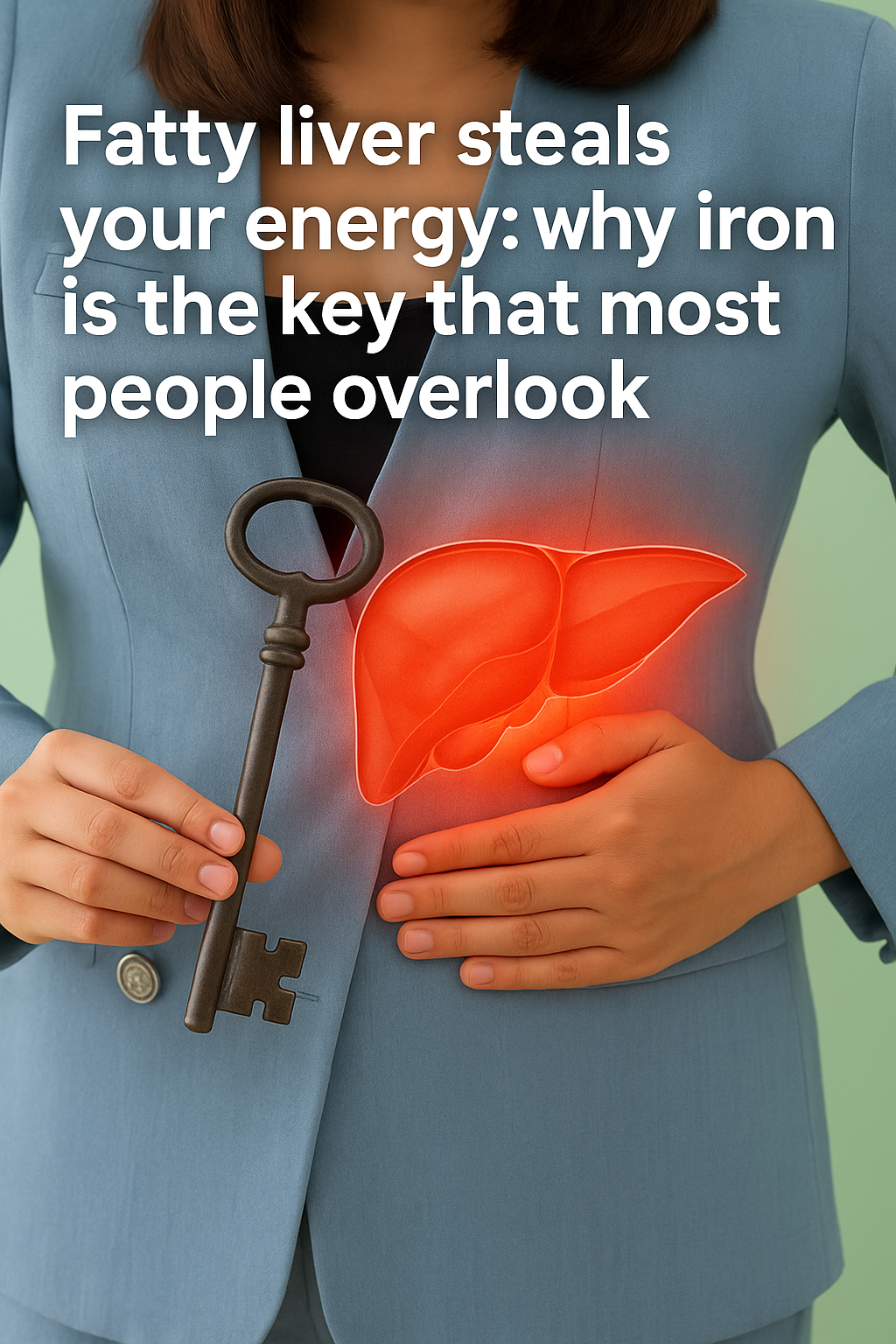
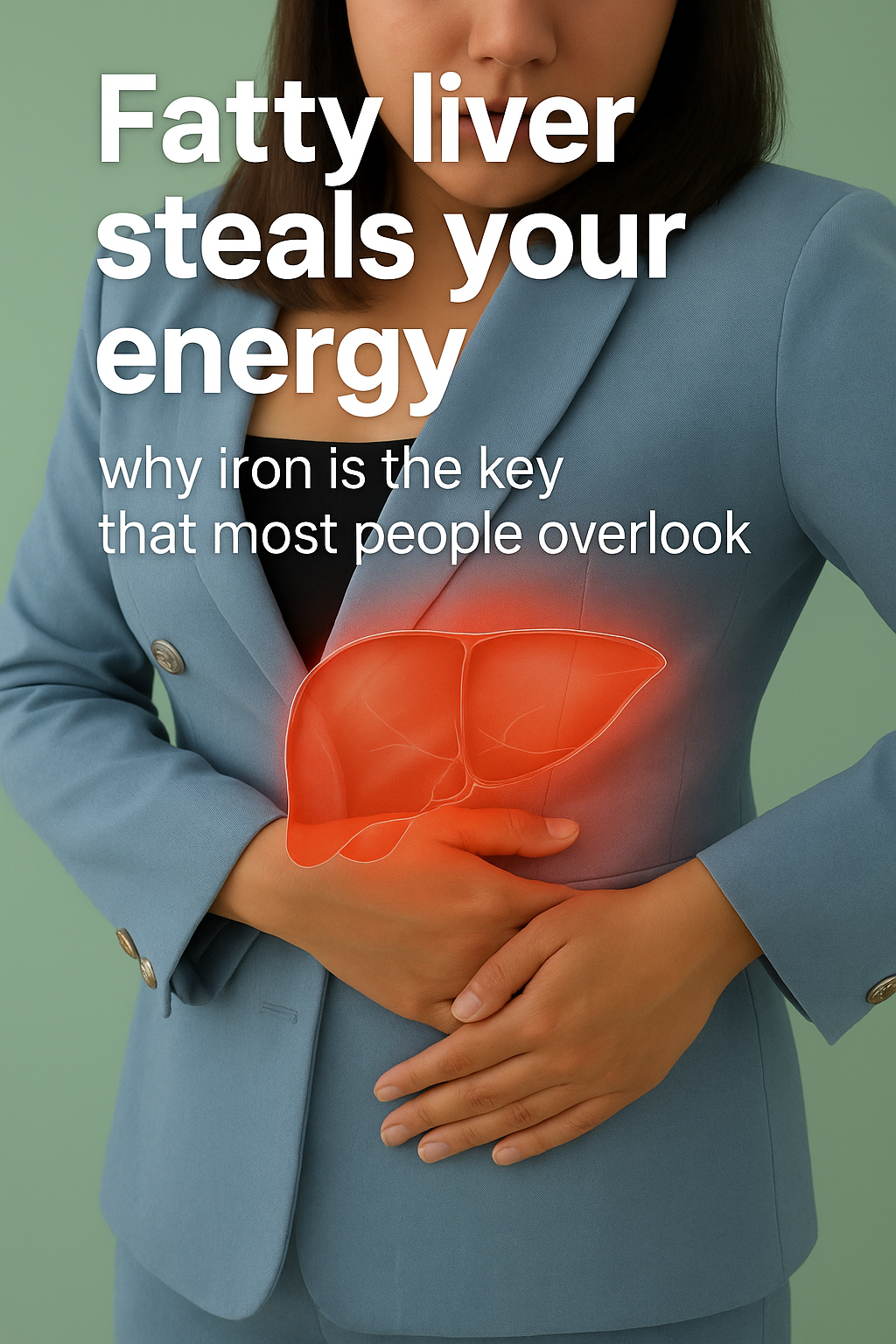
Fatty liver steals your energy: why iron is the key that most people overlook
AUTHOR:
Zvone Stor
expert, nutritionist
expert, nutritionist
Every fourth adult in the world has fatty liver – and this very disease disrupts the body's ability to use iron at all.
If you think that iron is important only for blood, that’s not quite true. Folk medicine knew a hundred years ago that weak blood also means a weak person, and often it was a matter of iron deficiency. Science confirms this today.
What happens in fatty liver?
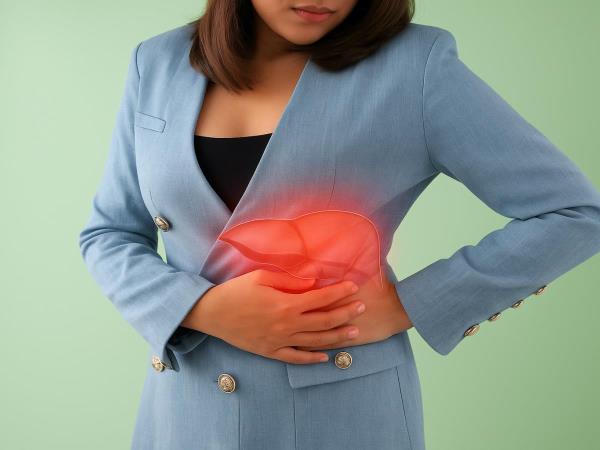
Fatty liver is not something that only happens to people who overdo it with alcohol. Quite the opposite, more and more people have non-alcoholic fatty liver, which means fat builds up in the liver due to poor eating habits, being overweight, stress, and too little physical activity.
According to data from the World Health Organization, as many as 25–30% of adults worldwide have fatty liver, and the numbers are rising steeply. Doctors all over the world are seeing an increase in fatty liver, especially in middle-aged people and young people who are overweight.
Fatty liver can no longer do its job well, and one of the consequences is that the body can no longer use iron properly.
Why is iron so important?
Iron is the substance in our bodies that carries oxygen to every cell. Without oxygen, there is no energy, no willpower, no strength. Every muscle, every thought, and even our heart needs iron to function. When there’s not enough iron or the body can’t use it, symptoms appear, such as:
A very interesting study conducted at Edith Cowan University in Australia showed that people with fatty liver, especially adolescents, had significantly poorer physical fitness. Not because they didn’t want to be active... Their bodies simply didn’t have enough iron to function normally during physical activity.
The study included 848 17-year-old girls, and those with fatty liver showed significantly poorer fitness, even though they weren’t necessarily overweight. Their blood showed they technically had enough iron, but their bodies couldn’t use it, much like having a full tank but a broken engine.
How to recognize iron deficiency?
Folk wisdom says: if your hair is falling out, if your nails are brittle, or if you feel cold even in summer, something's not right. Often it’s iron deficiency.
Even modern medicine acknowledges today that iron deficiency can lead to chronic fatigue, a weaker immune system, and dysfunction of internal organs. The liver, among other things, stores iron, so logically, when it’s overloaded with fat, it can no longer do this job well.
According to data from the National Institutes of Health (USA), adult men need around 8 mg of iron per day, while women of childbearing age need up to 18 mg, as they lose more through menstruation. In pregnancy, needs jump to 27 mg daily.
What can you do?
The first thing is to check your diet. The Mediterranean diet, widely recommended by doctors today, is not just a trend. This diet is rich in:
But be careful: people with fatty liver often eat too much of the foods that actually make things worse. These are mainly processed carbohydrates, sugars, white flour, fatty fast food—all of which further burden the liver and worsen iron metabolism.
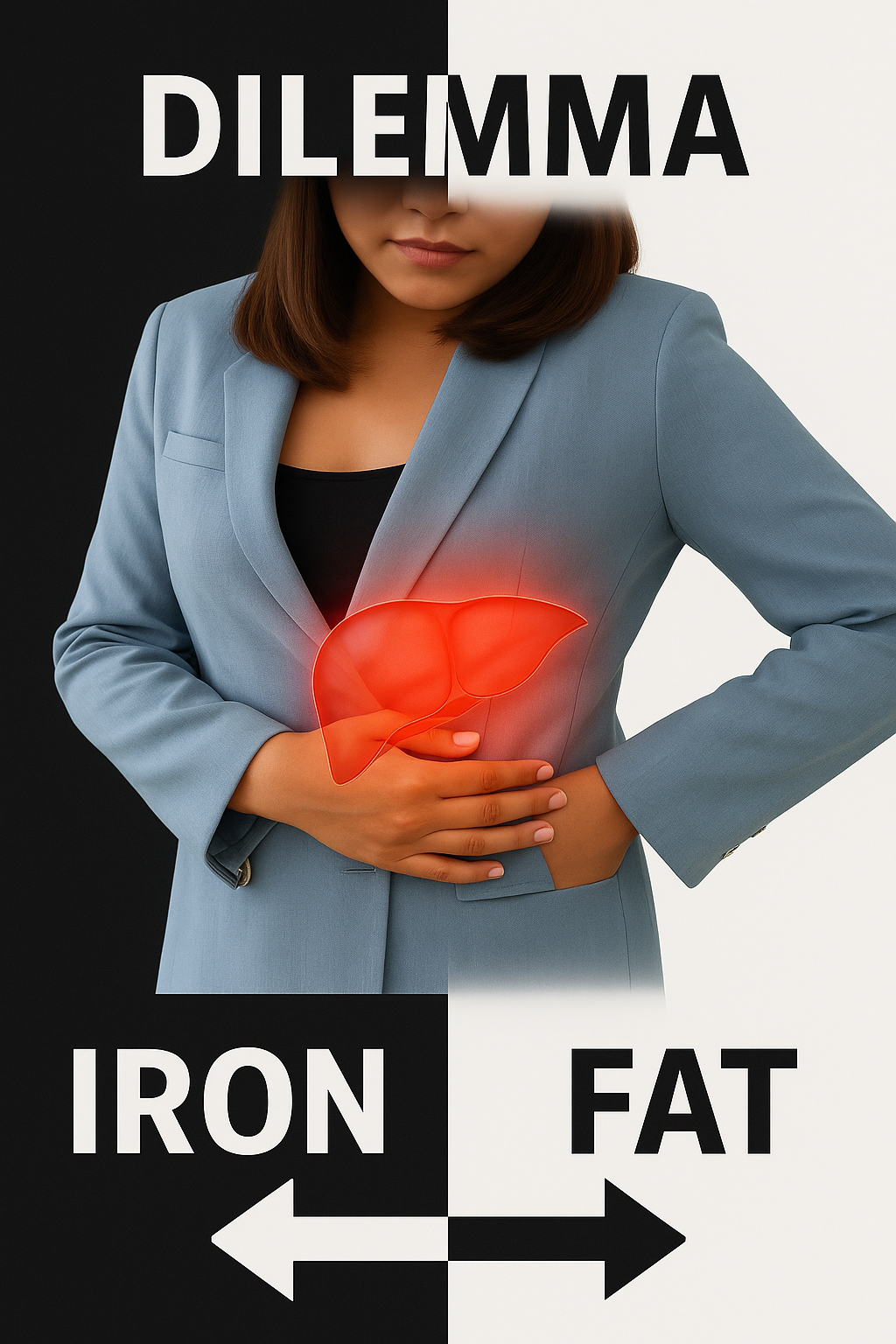
And here comes another paradox: to be able to exercise and lose weight, you need enough iron. But if your body can’t use it, you’re caught in a vicious cycle. You can’t exercise because you don’t have the energy, but exercise is precisely what would help your liver.
What does science say?
Scientists from Edith Cowan University believe that treating fatty liver should be approached differently than previously thought. Not just by eating less and exercising more, but above all by helping the body make better use of iron. Only then can a person feel strong enough to start being active.
This is also confirmed by an American study from 2020, published in the journal Journal of Hepatology, which showed that people with functional iron deficiency lost weight more slowly, had more muscle pain, and recovered more slowly after exercising.
Folk remedies and wisdom
For centuries, folk medicine has used nettle, a real treasure of iron and vitamin C, to strengthen the blood and liver. It was used as tea, soup, or juice. Drinking beetroot juice, which cleans the blood and liver, was also often recommended. Grandmothers used to say: beetroot makes the blood.
Molasses was also very popular, a dark liquid left over from sugar production—it contains a large amount of iron and minerals. One spoonful on an empty stomach and the day gets easier. Nowadays, you can find it in health food stores, and many nutritionists recommend it.
In addition, our ancestors relied heavily on bitter foods: chicory, dandelion, wormwood... All these plants stimulate the liver and help with detoxification.
What can you do today?
If you suspect your liver is tired and you feel a lack of strength, you don’t have to visit the doctor right away. You can start today:
Conclusion
Fatty liver is not just a problem of modern times. It is a silent enemy that robs you of strength, willpower, and health. And perhaps the key to solving it is not just in losing weight or dieting, but in understanding the role of iron, which is like the spark in an engine. Without it, nothing works.
If you take care of your liver, you take care of your whole body. And if you include more iron-supporting foods in your diet, you’ll make a big step toward better well-being, stronger blood, and greater life energy.
An old folk saying goes: healthy liver, healthy body.
Information on this website is for educational purposes only and is not medical advice.
What happens in fatty liver?
Fatty liver is not something that only happens to people who overdo it with alcohol. Quite the opposite, more and more people have non-alcoholic fatty liver, which means fat builds up in the liver due to poor eating habits, being overweight, stress, and too little physical activity.
According to data from the World Health Organization, as many as 25–30% of adults worldwide have fatty liver, and the numbers are rising steeply. Doctors all over the world are seeing an increase in fatty liver, especially in middle-aged people and young people who are overweight.
Fatty liver can no longer do its job well, and one of the consequences is that the body can no longer use iron properly.
Why is iron so important?
Iron is the substance in our bodies that carries oxygen to every cell. Without oxygen, there is no energy, no willpower, no strength. Every muscle, every thought, and even our heart needs iron to function. When there’s not enough iron or the body can’t use it, symptoms appear, such as:
- fatigue, even if you’ve slept 8 hours,
- feeling of heavy legs or muscle weakness,
- headaches, irritability, lack of concentration,
- rapid heartbeat with minimal effort,
- problems with immunity.
A very interesting study conducted at Edith Cowan University in Australia showed that people with fatty liver, especially adolescents, had significantly poorer physical fitness. Not because they didn’t want to be active... Their bodies simply didn’t have enough iron to function normally during physical activity.
The study included 848 17-year-old girls, and those with fatty liver showed significantly poorer fitness, even though they weren’t necessarily overweight. Their blood showed they technically had enough iron, but their bodies couldn’t use it, much like having a full tank but a broken engine.
How to recognize iron deficiency?
Folk wisdom says: if your hair is falling out, if your nails are brittle, or if you feel cold even in summer, something's not right. Often it’s iron deficiency.
Even modern medicine acknowledges today that iron deficiency can lead to chronic fatigue, a weaker immune system, and dysfunction of internal organs. The liver, among other things, stores iron, so logically, when it’s overloaded with fat, it can no longer do this job well.
According to data from the National Institutes of Health (USA), adult men need around 8 mg of iron per day, while women of childbearing age need up to 18 mg, as they lose more through menstruation. In pregnancy, needs jump to 27 mg daily.
What can you do?
The first thing is to check your diet. The Mediterranean diet, widely recommended by doctors today, is not just a trend. This diet is rich in:
- whole grains that provide a lot of fiber and help the liver detoxify,
- leafy green vegetables like spinach and chard, sources of plant-based iron (although less easily absorbed),
- legumes, which contain a lot of iron, but even more magnesium and potassium,
- fresh fruit, especially citrus fruits, which provide vitamin C—and this helps your body absorb iron better,
- red meat in moderate amounts, which contains heme iron—the form of iron most easily used by the body.
But be careful: people with fatty liver often eat too much of the foods that actually make things worse. These are mainly processed carbohydrates, sugars, white flour, fatty fast food—all of which further burden the liver and worsen iron metabolism.
And here comes another paradox: to be able to exercise and lose weight, you need enough iron. But if your body can’t use it, you’re caught in a vicious cycle. You can’t exercise because you don’t have the energy, but exercise is precisely what would help your liver.
What does science say?
Scientists from Edith Cowan University believe that treating fatty liver should be approached differently than previously thought. Not just by eating less and exercising more, but above all by helping the body make better use of iron. Only then can a person feel strong enough to start being active.
This is also confirmed by an American study from 2020, published in the journal Journal of Hepatology, which showed that people with functional iron deficiency lost weight more slowly, had more muscle pain, and recovered more slowly after exercising.
Folk remedies and wisdom
For centuries, folk medicine has used nettle, a real treasure of iron and vitamin C, to strengthen the blood and liver. It was used as tea, soup, or juice. Drinking beetroot juice, which cleans the blood and liver, was also often recommended. Grandmothers used to say: beetroot makes the blood.
Molasses was also very popular, a dark liquid left over from sugar production—it contains a large amount of iron and minerals. One spoonful on an empty stomach and the day gets easier. Nowadays, you can find it in health food stores, and many nutritionists recommend it.
In addition, our ancestors relied heavily on bitter foods: chicory, dandelion, wormwood... All these plants stimulate the liver and help with detoxification.
What can you do today?
If you suspect your liver is tired and you feel a lack of strength, you don’t have to visit the doctor right away. You can start today:
- drink nettle tea (fresh or dried),
- add lemon juice to your diet, which improves iron absorption,
- add oatmeal with dried fruits (for example: raisins and dried apricots are full of iron) for breakfast,
- avoid coffee and tea immediately after meals, as they inhibit iron absorption,
- prepare a dish from red lentils or beans once a week.
Conclusion
Fatty liver is not just a problem of modern times. It is a silent enemy that robs you of strength, willpower, and health. And perhaps the key to solving it is not just in losing weight or dieting, but in understanding the role of iron, which is like the spark in an engine. Without it, nothing works.
If you take care of your liver, you take care of your whole body. And if you include more iron-supporting foods in your diet, you’ll make a big step toward better well-being, stronger blood, and greater life energy.
An old folk saying goes: healthy liver, healthy body.
Information on this website is for educational purposes only and is not medical advice.
Author:
Zvone Stor
expert, nutritionist
expert, nutritionist
 Would you like to be informed about news on the website?
Just enter your e-mail
Fatty liver iron deficiency symptoms
Iron deficiency energy loss
Causes of non-alcoholic fatty liver
Importance of iron for overall health
Foods to improve iron absorption
Latest news





The Hidden Power of Cabbage: One Humble Kitchen Staple That Supports Your Health From Head to Toe
Read more >>

Why Do You Always Wake Up at the Same Time? Your Body Might Be Trying to Tell You Something
Read more >>


French Fries and Your Brain: What an 11-Year Study of 140,000 People Found About Fried Food and Mood
Read more >>
Selenium: The Tiny Mineral Your Body Can't Live Without — And Can Absolutely Have Too Much Of
Read more >>
A Spoonful of Coconut Oil on an Empty Stomach: The Quiet Morning Habit So Many People Swear By
Read more >>

Anemia on Your Plate: The Everyday Foods Quietly Helping — Or Sabotaging — Your Iron Levels
Read more >>

Why the Humble Egg Might Just Be Your Diet's Secret Weapon: 5 Reasons Nutritionists Keep Coming Back To
Read more >>

Yogurt, Banana or Citrus for Breakfast? Why Some "Healthy" Foods Can Backfire on an Empty Stomach
Read more >>
Interaktive Widgets:
|

