





Date: 07/15/2026 - GOOD TO KNOW
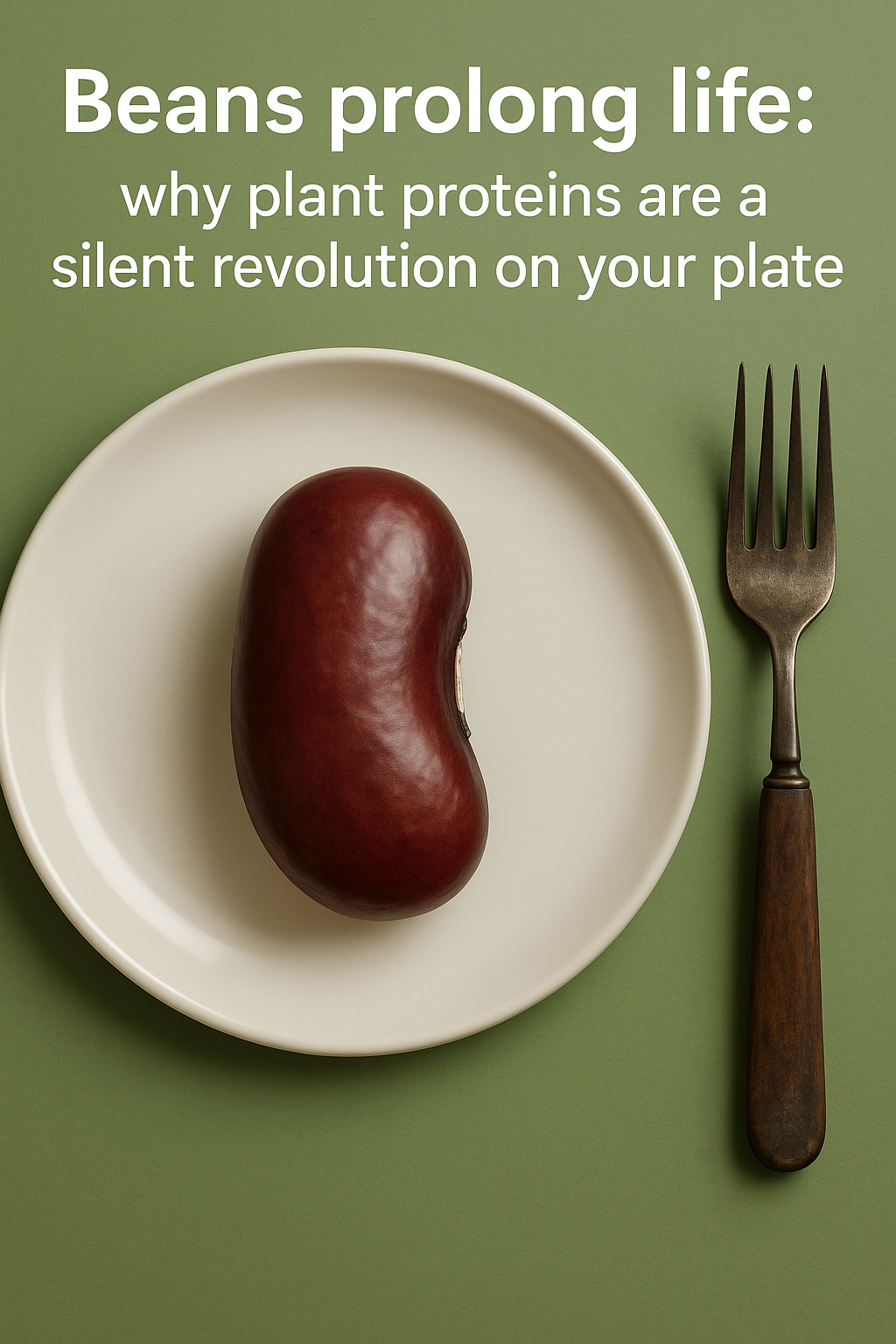
Beans prolong life: why plant proteins are a silent revolution on your plate
AUTHOR:
Zvone Stor
expert, nutritionist
expert, nutritionist
An analysis of 32 studies with over 715,000 participants showed that plant proteins lower the risk of death by 8% and heart disease by 12%.
Scientists have once again confirmed something our grandmothers already knew: the more plant-based you eat, the better you feel and the longer you live.
In a large review of 32 scientific studies, covering more than 715,000 people from different countries, researchers discovered something surprisingly simple. People who regularly consume plant proteins have up to a 12% lower risk of heart disease and an 8% lower risk of premature death from any cause. If you translate these numbers into everyday life, it means that by eating more lentils, peas, and nuts, you could extend your life by several years—without medication and without exhausting therapies.
Why are proteins important at all?
Proteins are the building blocks of life—they make up our muscles, skin, hair, hormones, enzymes, and much more. Sometimes we associate them only with athletes, but the truth is, every one of us needs them every day. But what's important isn't just how much you eat, but where you get them from.
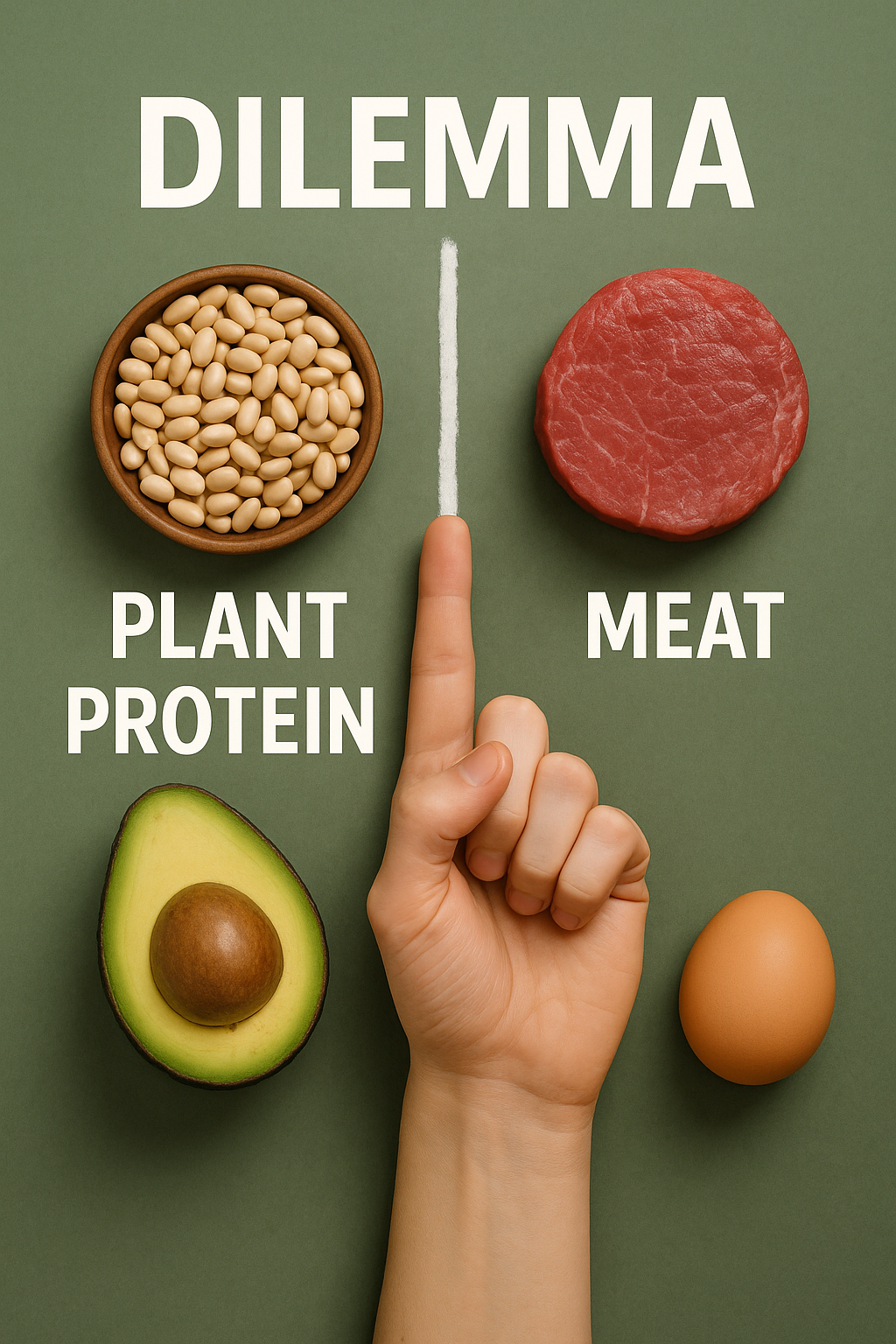
Traditionally, people sourced their protein mainly from meat, milk, and eggs. But in recent years, scientists have discovered that eating plant proteins—those from beans, lentils, chickpeas, nuts, seeds, and whole grains—has many more benefits than previously thought.
What do the numbers say?
Data from the aforementioned 32 studies, which lasted up to 32 years, showed the following:
And here’s another interesting fact: if you increased the proportion of calories from plant proteins by just 3% daily, you could reduce your risk of death by as much as 5%. It might sound like a little, but at the country or global level, this would mean thousands of lives saved.
How do plant proteins help?
For a start: plant proteins don't come alone. Along with them, you also eat fiber, antioxidants, vitamins, and minerals, which aren’t found in meat. At the same time, plant foods contain no cholesterol and have very little saturated fat—the kind that clogs your arteries.
It is known that a plant-rich diet lowers blood pressure, regulates blood sugar, and reduces bad cholesterol (LDL). All these are key factors when it comes to the most common causes of death—heart disease and type 2 diabetes.
One explanation for why plant foods are so effective lies precisely in the combination of nutrients, which work together as a natural medicine. Beans and lentils, for example, contain plenty of arginine—an amino acid that widens blood vessels and improves blood flow. Nuts, especially almonds and walnuts, have plenty of omega-3 fats, which have been proven to reduce inflammation in the body.
What about meat?
This is where it gets interesting. While animal proteins weren’t directly linked to higher mortality from cancer or heart disease, it was still detected that regular consumption of red meat and processed meats (sausages, hot dogs, p{-15454}t{-15447}s, etc.) increases the risk of various diseases. According to the World Health Organization (WHO), processed meat is classified as probably carcinogenic, which means that long-term consumption can increase the risk of colon cancer.
Besides, animal proteins often come packaged with substances we don’t need in large amounts: saturated fats, preservatives, and antibiotics used in industrial meat production. All of this puts extra strain on the liver, kidneys, and heart.
What can you do?
You don’t have to become a vegan to reap the benefits of plant proteins. It’s enough to reduce the amount of meat and swap it for a plant-based option a few times a week. Instead of beef soup, you can cook lentil soup; instead of an egg salad, make a chickpea salad; for dinner, treat yourself to buckwheat with pumpkin seeds and vegetables.
Traditional Slovenian cuisine already includes excellent plant protein sources. Who doesn't know jota with beans, barley stew, millet porridge, or sauerkraut with chickpeas? All these are old, simple recipes that have now been proven by science to be extremely healthy.
According to the European Food Safety Authority (EFSA), adults should consume about 0.83 grams of protein per kilogram of body weight per day. This means that an adult weighing 70 kg should eat about 58 grams of protein. Half or more of this protein can easily come from plant sources—one cup of cooked lentils contains 18 grams of protein, and a handful of nuts adds another 6 to 8 grams.
What do the studies say?
A study from the Harvard School of Public Health, which tracked 130,000 people for over 25 years, showed that those who regularly replaced meat with plant proteins reduced their risk of heart disease and premature death. Another study, published in JAMA Internal Medicine, found that even a small swap—for example, replacing meat with tofu or beans—reduces the risk of death by 10 to 20%.
To put it simply: every plate you fill with plant-based food is a step closer to better health.
What about taste?
Many people will wonder: what about taste? Aren’t plant proteins boring and tasteless?
That’s just a misconception. With a few spices, olive oil, garlic, and lemon, you can prepare amazing dishes, even meat lovers will enjoy. Bean salad with pumpkin oil, roasted chickpeas with turmeric (which means yellow spice that helps with inflammation), lentil curry with coconut milk, or saut{-15447}ed tofu with vegetables – all these are dishes you’ll never get tired of.
Final thought
If you want to feel better, live longer, and reduce your chances of illnesses for which modern medicine still has no real cure, then the easiest step is this: more plant proteins on your plate. So simple, yet so effective. And best of all—it’s a practice supported by both scientists and our grandparents.
As grandma would say: what grows from the earth, heals you.
Information on this website is for educational purposes only and is not medical advice.
In a large review of 32 scientific studies, covering more than 715,000 people from different countries, researchers discovered something surprisingly simple. People who regularly consume plant proteins have up to a 12% lower risk of heart disease and an 8% lower risk of premature death from any cause. If you translate these numbers into everyday life, it means that by eating more lentils, peas, and nuts, you could extend your life by several years—without medication and without exhausting therapies.
Why are proteins important at all?
Proteins are the building blocks of life—they make up our muscles, skin, hair, hormones, enzymes, and much more. Sometimes we associate them only with athletes, but the truth is, every one of us needs them every day. But what's important isn't just how much you eat, but where you get them from.
Traditionally, people sourced their protein mainly from meat, milk, and eggs. But in recent years, scientists have discovered that eating plant proteins—those from beans, lentils, chickpeas, nuts, seeds, and whole grains—has many more benefits than previously thought.
What do the numbers say?
Data from the aforementioned 32 studies, which lasted up to 32 years, showed the following:
- Among more than 715,000 participants, there were 113,039 deaths (during the monitoring period).
- Those who consumed more total protein (plant and animal) had a lower risk of death.
- But the most pronounced effect was seen with plant proteins—8% lower overall risk of death and 12% lower risk of heart disease.
And here’s another interesting fact: if you increased the proportion of calories from plant proteins by just 3% daily, you could reduce your risk of death by as much as 5%. It might sound like a little, but at the country or global level, this would mean thousands of lives saved.
How do plant proteins help?
For a start: plant proteins don't come alone. Along with them, you also eat fiber, antioxidants, vitamins, and minerals, which aren’t found in meat. At the same time, plant foods contain no cholesterol and have very little saturated fat—the kind that clogs your arteries.
It is known that a plant-rich diet lowers blood pressure, regulates blood sugar, and reduces bad cholesterol (LDL). All these are key factors when it comes to the most common causes of death—heart disease and type 2 diabetes.
One explanation for why plant foods are so effective lies precisely in the combination of nutrients, which work together as a natural medicine. Beans and lentils, for example, contain plenty of arginine—an amino acid that widens blood vessels and improves blood flow. Nuts, especially almonds and walnuts, have plenty of omega-3 fats, which have been proven to reduce inflammation in the body.
What about meat?
This is where it gets interesting. While animal proteins weren’t directly linked to higher mortality from cancer or heart disease, it was still detected that regular consumption of red meat and processed meats (sausages, hot dogs, p{-15454}t{-15447}s, etc.) increases the risk of various diseases. According to the World Health Organization (WHO), processed meat is classified as probably carcinogenic, which means that long-term consumption can increase the risk of colon cancer.
Besides, animal proteins often come packaged with substances we don’t need in large amounts: saturated fats, preservatives, and antibiotics used in industrial meat production. All of this puts extra strain on the liver, kidneys, and heart.
What can you do?
You don’t have to become a vegan to reap the benefits of plant proteins. It’s enough to reduce the amount of meat and swap it for a plant-based option a few times a week. Instead of beef soup, you can cook lentil soup; instead of an egg salad, make a chickpea salad; for dinner, treat yourself to buckwheat with pumpkin seeds and vegetables.
Traditional Slovenian cuisine already includes excellent plant protein sources. Who doesn't know jota with beans, barley stew, millet porridge, or sauerkraut with chickpeas? All these are old, simple recipes that have now been proven by science to be extremely healthy.
According to the European Food Safety Authority (EFSA), adults should consume about 0.83 grams of protein per kilogram of body weight per day. This means that an adult weighing 70 kg should eat about 58 grams of protein. Half or more of this protein can easily come from plant sources—one cup of cooked lentils contains 18 grams of protein, and a handful of nuts adds another 6 to 8 grams.
What do the studies say?
A study from the Harvard School of Public Health, which tracked 130,000 people for over 25 years, showed that those who regularly replaced meat with plant proteins reduced their risk of heart disease and premature death. Another study, published in JAMA Internal Medicine, found that even a small swap—for example, replacing meat with tofu or beans—reduces the risk of death by 10 to 20%.
To put it simply: every plate you fill with plant-based food is a step closer to better health.
What about taste?
Many people will wonder: what about taste? Aren’t plant proteins boring and tasteless?
That’s just a misconception. With a few spices, olive oil, garlic, and lemon, you can prepare amazing dishes, even meat lovers will enjoy. Bean salad with pumpkin oil, roasted chickpeas with turmeric (which means yellow spice that helps with inflammation), lentil curry with coconut milk, or saut{-15447}ed tofu with vegetables – all these are dishes you’ll never get tired of.
Final thought
If you want to feel better, live longer, and reduce your chances of illnesses for which modern medicine still has no real cure, then the easiest step is this: more plant proteins on your plate. So simple, yet so effective. And best of all—it’s a practice supported by both scientists and our grandparents.
As grandma would say: what grows from the earth, heals you.
Information on this website is for educational purposes only and is not medical advice.
Author:
Zvone Stor
expert, nutritionist
expert, nutritionist
 Would you like to be informed about news on the website?
Just enter your e-mail
Plant proteins benefits
Benefits of plant-based diet
Plant proteins vs animal proteins
Importance of plant proteins
Health benefits of plant proteins
Latest news

Why Do You Always Wake Up at the Same Time? Your Body Might Be Trying to Tell You Something
Read more >>


French Fries and Your Brain: What an 11-Year Study of 140,000 People Found About Fried Food and Mood
Read more >>

Selenium: The Tiny Mineral Your Body Can't Live Without — And Can Absolutely Have Too Much Of
Read more >>
A Spoonful of Coconut Oil on an Empty Stomach: The Quiet Morning Habit So Many People Swear By
Read more >>

Anemia on Your Plate: The Everyday Foods Quietly Helping — Or Sabotaging — Your Iron Levels
Read more >>

Why the Humble Egg Might Just Be Your Diet's Secret Weapon: 5 Reasons Nutritionists Keep Coming Back To
Read more >>

Yogurt, Banana or Citrus for Breakfast? Why Some "Healthy" Foods Can Backfire on an Empty Stomach
Read more >>



Why the Scale Won't Budge, Even On a Diet: The Overlooked Mineral Almost Nobody Talks About
Read more >>


Interaktive Widgets:
|

