


Date: 06/29/2026 - GOOD TO KNOW
Mediterranean diet against belly fat
AUTHOR:
Zvone Stor
expert, nutritionist
expert, nutritionist
If you are worried about belly fat and would like to lose weight specifically in that area, then you will be more than satisfied with this article.
Several studies show that not all fat is equally harmful, nor is every diet equally effective. The fat that accumulates around the abdomen isn’t just an annoying ring; it is called visceral fat, which hides among the organs in the abdominal cavity. And this is the most dangerous kind. It is not important only because of appearance, but because of health – this type of fat can trigger silent inflammation in the body, increasing the risk of heart attack, diabetes, memory problems, and even premature death.
What is this visceral fat actually?
Visceral fat is the type that hides deep in the abdominal cavity and surrounds the liver, kidneys, pancreas, and other important internal organs. Unlike the fat stored on the thighs or buttocks, this type of fat is far more active, meaning it releases substances that affect hormonal balance and inflammation in the body.
This is why scientists wanted to find a way to reduce this most dangerous type of fat—and they succeeded.
Breakthrough study and the mysterious green diet
A study published in the scientific journal BMC Medicine lasted 18 months and included almost 300 participants, so the results are not just random. The participants were divided into three groups. All were losing weight, but in different ways.
The first group followed the classic recommendations for healthy eating (more vegetables, less sugar, and less fatty food).
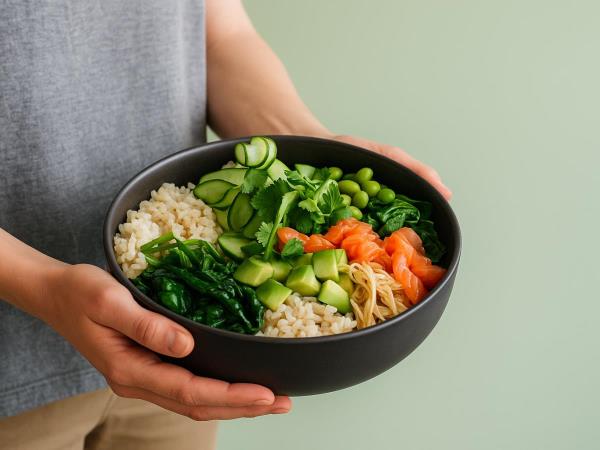
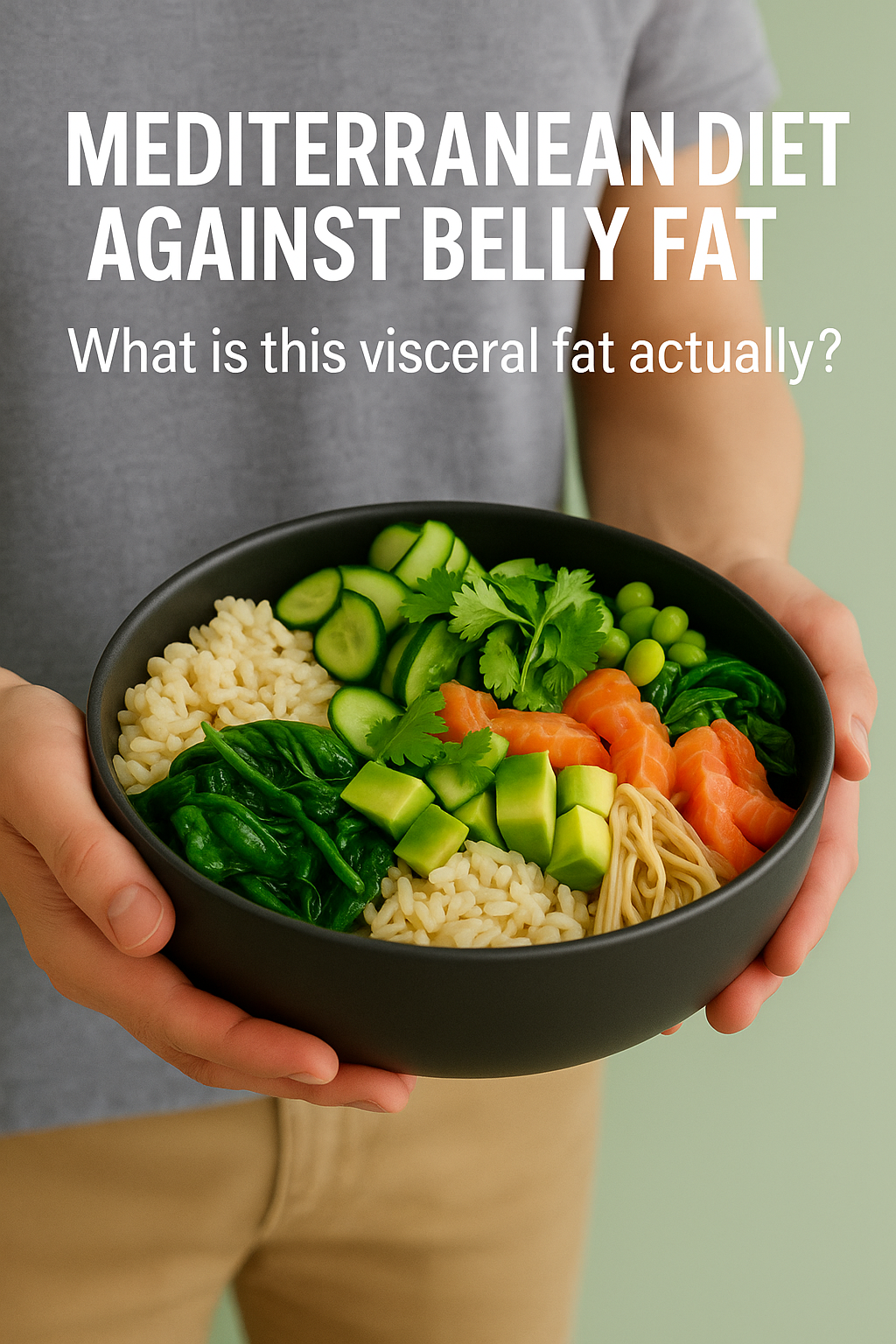
The second group ate according to the principles of the Mediterranean diet: plenty of olive oil, fish, vegetables, and nuts.
The third group ate the green Mediterranean diet, which is an improved version of the already healthy Mediterranean diet.
And it was this third group that achieved astonishing results.
What is the green Mediterranean diet?
The green version of the Mediterranean diet is basically similar to the classic Mediterranean, but it contains more plant-based substances and almost no red meat. In addition to regular food, each day they consumed:
Now, a quick explanation: Wolffia globosa is a tiny aquatic plant from the duckweed family. It grows in still waters, such as ponds and lakes. Although it might sound exotic, it is edible and extremely nutritious – containing up to 40% protein, as well as a lot of iron, vitamin B12, and polyphenols. Unfortunately, this plant is not easily available here, but later we will show how you can achieve similar benefits differently.
Astonishing results – less belly, more health
After 18 months, the researchers found that the group following the green Mediterranean diet reduced their dangerous visceral fat by as much as 14.1%. That's more than twice as much as the group on the regular Mediterranean diet (6%) and almost three times more than those who only followed general healthy eating guidelines (4.2%).
This means it’s not enough to simply eat fewer calories. What you eat matters. And the green Mediterranean diet can be called a smart diet, since it does not just target appearance but also protects you from the inside.
Why is diet more important than calorie count?
Our body is not a calculator. It makes a difference whether you have 500 calories from a croissant or 500 calories from a handful of walnuts, a cup of quinoa, and salad. Food is not just a source of energy – it is also information that affects our hormones, metabolism, and even gene expression. And especially polyphenols – substances found in many plants, fruits, and vegetables – are key players.
Polyphenols act as natural protectors. In the body, they reduce inflammation, balance blood sugar, and even affect how fat cells develop. A 2021 study published in The American Journal of Clinical Nutrition confirmed that consuming polyphenols can reduce abdominal fat accumulation and improve liver function.
What can you do at home?
Since Wolffia globosa is not easily available here, you can achieve similar benefits with more accessible ingredients. Green tea, for example, is an excellent source of antioxidants – especially EGCG (epigallocatechin gallate), which is proven to promote fat burning. Walnuts are rich in healthy fats that help reduce appetite.
Instead of exotic plants, you can add the following to your smoothies:
According to Harvard School of Public Health, regular intake of plant-based proteins is linked to a lower body mass index (BMI) and a smaller waist circumference. In addition, a study from the British Journal of Nutrition reports that people who consume more green tea have a 17% lower chance of accumulating abdominal fat.
Long-term effects are more important than quick diets
We know of many diets that promise fast results. But quickly lost kilos are often regained just as quickly. The green Mediterranean diet, on the other hand, works in the long term, as it is not based on restriction, but on smart switches and choices.
Reducing red meat is not just a fad – the World Health Organization (WHO) has long linked it with an increased risk of colon cancer. According to the European Association for the Study of Obesity, as many as 67% of adults in Europe do not meet the recommended fiber intake, which impacts weight, digestion, and even mood.
Less meat, more greens – your belly (and heart) will thank you
Although the idea of a green diet may seem a bit abstract at first, it is actually very simple. It’s about returning to nature, where every meal has its power. And if you are concerned about your health, especially belly fat, then this is the right direction.
Information on this website is for educational purposes only and is not medical advice.
What is this visceral fat actually?
Visceral fat is the type that hides deep in the abdominal cavity and surrounds the liver, kidneys, pancreas, and other important internal organs. Unlike the fat stored on the thighs or buttocks, this type of fat is far more active, meaning it releases substances that affect hormonal balance and inflammation in the body.
This is why scientists wanted to find a way to reduce this most dangerous type of fat—and they succeeded.
Breakthrough study and the mysterious green diet
A study published in the scientific journal BMC Medicine lasted 18 months and included almost 300 participants, so the results are not just random. The participants were divided into three groups. All were losing weight, but in different ways.
The first group followed the classic recommendations for healthy eating (more vegetables, less sugar, and less fatty food).
The second group ate according to the principles of the Mediterranean diet: plenty of olive oil, fish, vegetables, and nuts.
The third group ate the green Mediterranean diet, which is an improved version of the already healthy Mediterranean diet.
And it was this third group that achieved astonishing results.
What is the green Mediterranean diet?
The green version of the Mediterranean diet is basically similar to the classic Mediterranean, but it contains more plant-based substances and almost no red meat. In addition to regular food, each day they consumed:
- 30 grams of walnuts (about a handful – an excellent source of omega-3 fatty acids),
- 3 to 4 cups of green tea daily (rich in antioxidants),
- and a smoothie with the addition of the plant Wolffia globosa.
Now, a quick explanation: Wolffia globosa is a tiny aquatic plant from the duckweed family. It grows in still waters, such as ponds and lakes. Although it might sound exotic, it is edible and extremely nutritious – containing up to 40% protein, as well as a lot of iron, vitamin B12, and polyphenols. Unfortunately, this plant is not easily available here, but later we will show how you can achieve similar benefits differently.
Astonishing results – less belly, more health
After 18 months, the researchers found that the group following the green Mediterranean diet reduced their dangerous visceral fat by as much as 14.1%. That's more than twice as much as the group on the regular Mediterranean diet (6%) and almost three times more than those who only followed general healthy eating guidelines (4.2%).
This means it’s not enough to simply eat fewer calories. What you eat matters. And the green Mediterranean diet can be called a smart diet, since it does not just target appearance but also protects you from the inside.
Why is diet more important than calorie count?
Our body is not a calculator. It makes a difference whether you have 500 calories from a croissant or 500 calories from a handful of walnuts, a cup of quinoa, and salad. Food is not just a source of energy – it is also information that affects our hormones, metabolism, and even gene expression. And especially polyphenols – substances found in many plants, fruits, and vegetables – are key players.
Polyphenols act as natural protectors. In the body, they reduce inflammation, balance blood sugar, and even affect how fat cells develop. A 2021 study published in The American Journal of Clinical Nutrition confirmed that consuming polyphenols can reduce abdominal fat accumulation and improve liver function.
What can you do at home?
Since Wolffia globosa is not easily available here, you can achieve similar benefits with more accessible ingredients. Green tea, for example, is an excellent source of antioxidants – especially EGCG (epigallocatechin gallate), which is proven to promote fat burning. Walnuts are rich in healthy fats that help reduce appetite.
Instead of exotic plants, you can add the following to your smoothies:
- pea protein – excellent for muscles and digestion,
- spinach, kale, or Swiss chard – full of fiber and antioxidants,
- avocado – a source of healthy fats that keep you full for a long time.
According to Harvard School of Public Health, regular intake of plant-based proteins is linked to a lower body mass index (BMI) and a smaller waist circumference. In addition, a study from the British Journal of Nutrition reports that people who consume more green tea have a 17% lower chance of accumulating abdominal fat.
Long-term effects are more important than quick diets
We know of many diets that promise fast results. But quickly lost kilos are often regained just as quickly. The green Mediterranean diet, on the other hand, works in the long term, as it is not based on restriction, but on smart switches and choices.
Reducing red meat is not just a fad – the World Health Organization (WHO) has long linked it with an increased risk of colon cancer. According to the European Association for the Study of Obesity, as many as 67% of adults in Europe do not meet the recommended fiber intake, which impacts weight, digestion, and even mood.
Less meat, more greens – your belly (and heart) will thank you
Although the idea of a green diet may seem a bit abstract at first, it is actually very simple. It’s about returning to nature, where every meal has its power. And if you are concerned about your health, especially belly fat, then this is the right direction.
Information on this website is for educational purposes only and is not medical advice.
Author:
Zvone Stor
expert, nutritionist
expert, nutritionist
 Would you like to be informed about news on the website?
Just enter your e-mail
Belly fat reduction
Green Mediterranean diet
Visceral fat
Plant-based diet
Polyphenols and fat loss
Latest news

Sweetened drinks and the thyroid: what happens to your hormones when you reach for lemonade every day
Read more >>



When you sleep too little, your belly grows – and you won't even notice this on the scale
Read more >>


A handful of berries a day: 7 reasons why strawberries and blueberries are among the strongest allies for your health
Read more >>


When the heat strikes, the body knows what it wants – but you might be serving it exactly the opposite
Read more >>




The dilemma of all diets: have you really lost weight or have you just lost excess water?
Read more >>

Interaktive Widgets:
|

