







Date: 06/02/2026 - GOOD TO KNOW
5 silly things that are good for your health
AUTHOR:
Zvone Stor
expert, nutritionist
expert, nutritionist
Nowadays, when we are bombarded from all sides with superfoods, dietary supplements, and various revolutionary workouts, many forget that the simplest things are often the best.
Here are 5 seemingly crazy ideas that, in practice, turn out to be very beneficial for your health. Some of them were already known by our grandmothers, while others are a surprising result of modern science. But even those were probably known by grandmas ...
Sometimes, the wisdom of the old times, which today seems strange or even foolish to us, is actually more advanced than we might think. From vibrations that strengthen muscles and bones, to walking without shoes that improves body biomechanics, and all the way to tongue cleaning and rediscovering the healthy role of bacteria – all of this shows that seemingly bizarre practices can be very effective.
Folk medicine teaches us that not everything should be measured by modern standards. What looks silly today might be your doctor’s recommendation tomorrow. And to be honest – similar things have already happened with clay, vinegar, ginger, and even with leeches.
Information on this website is for educational purposes only and is not medical advice.
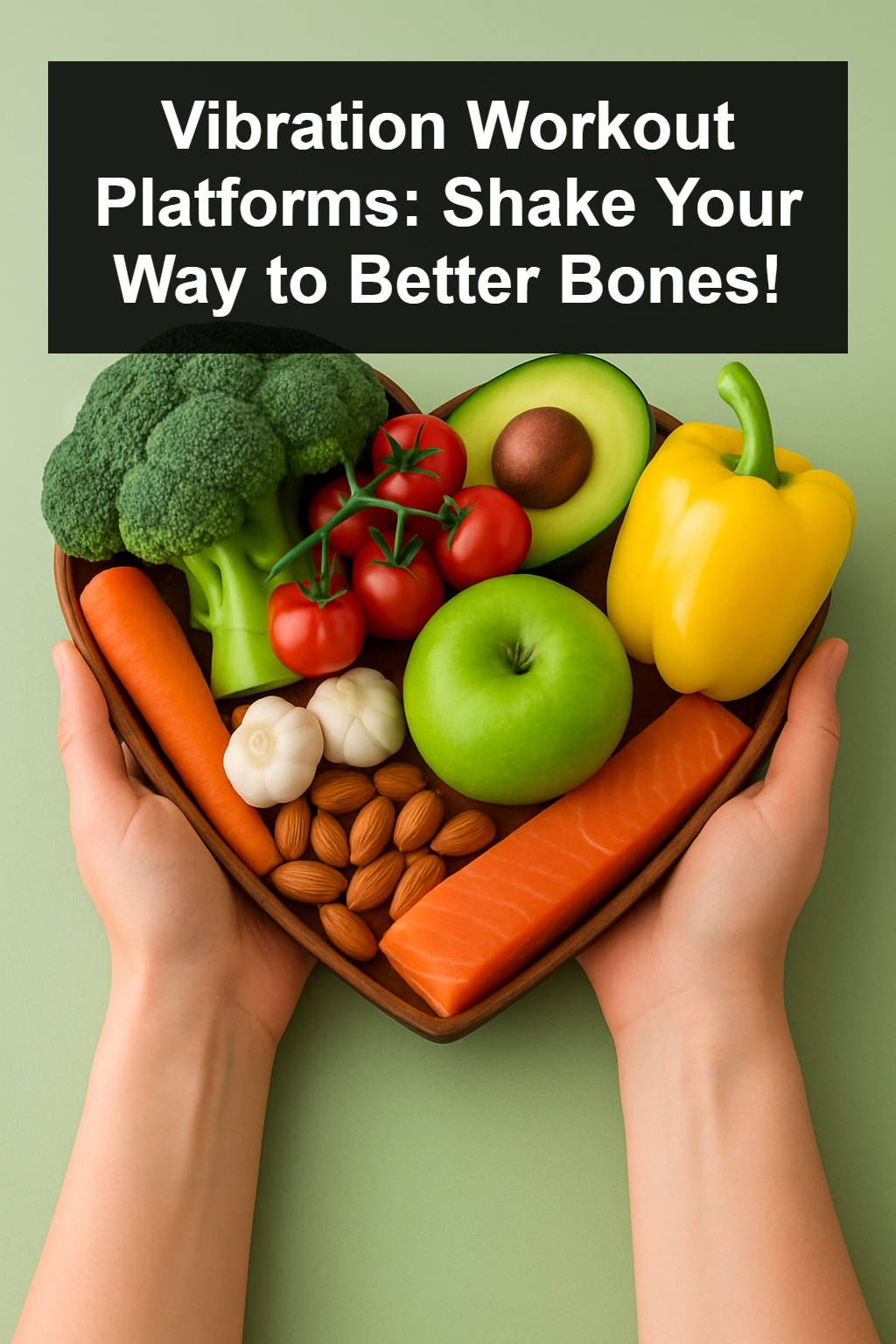
- Vibration workout platforms – when your body shakes, health grows?
If you drove past a gym a decade ago and saw someone seriously shaking on a metal platform, you probably had your thoughts about it. Maybe you even thought it was just a fad with no real effect. But nowadays, vibration workout platforms – devices you stand on while vibrations shake your body – are increasingly appreciated even among professionals.
The idea is simple: you stand on a platform that vibrates, and your body gets extra stimulation. These vibrations aren’t just random – they range from 15 to 60 Hz, which means 15 to 60 shakes per second. A study in the Journal of Bone and Mineral Research showed that regular use of such devices increases bone density in menopausal women, resulting in healthier and less brittle bones.
Muscles benefit too. In a 2017 study published in the International Journal of Sports Science, participants who used the vibration platform for 10 minutes a day improved their muscle strength by as much as 12% in a month. The reason for this isn’t entirely clear, but researchers believe the vibrations trigger greater activation of muscle fibers.
You could say this is a kind of modern version of our old rural chores – when muscles strained just by walking across a shaky footbridge over a stream or working with a pickaxe on a slippery slope.
- Running barefoot – back to nature, forward to health
Running without shoes? Sounds like a recipe for bloody soles, but wait. Before running shoes were invented, our ancestors ran barefoot for thousands of years – on grass, sand, stones. And lo and behold, most didn’t have problems with their knees or backs.
Today’s sneakers make us land on our heels, which creates what’s called an impact wave – a shock that travels through the ankle, knee, hip, and spine. A 2010 Harvard University study led by renowned biomechanist Dr. Daniel Lieberman showed that barefoot runners land in a more natural way – on the forefoot or outer edge of the foot – which eases the joints.
And another interesting fact: a study published in the British Journal of Sports Medicine showed that runners who occasionally train barefoot report fewer injuries (up to 30% less), mainly due to improved balance and strengthened foot muscles.
Of course, barefoot running isn’t for everyone, and certainly not on city asphalt. Start gradually – first on grass, then on harder but clean surfaces.
- Tongue cleaning – more than just fresh breath
You’ve probably seen that rough surface on the back of some toothbrushes and wondered what it’s for. Maybe you thought it’s just a trick by manufacturers to sell you more. But it’s actually something our grandmothers already knew – the tongue is a breeding ground for bacteria that cause bad breath and diseases.
Food residues, dead cells, and bacteria accumulate on the tongue – especially anaerobic bacteria, which thrive in oxygen-free environments and produce sulfur compounds. These are precisely what’s responsible for bad breath. A study in the Journal of Periodontology found that as much as 80-90% of cases of bad breath originate from the tongue.
Regular tongue cleaning – morning and evening – can reduce bacterial load in the mouth, decrease the risk of cavities, and even prevent colds, since many diseases begin in the oral cavity. In Ayurveda (the ancient Indian system of medicine), this has been practiced for thousands of years – they use metal tongue scrapers, which are now available here too. If you don’t have one, just use the back of your toothbrush – better something than nothing.
- Fecal transplants – health from ... ahem ... your behind?
We admit, this sounds disgusting. But if you thought it was a joke, you’re wrong. In medicine, there is a procedure called a fecal transplant, technically known as fecal bacteriotherapy. It’s about introducing a healthy stool sample into a patient’s intestine – most often in a capsule, but sometimes via a tube through the nose or rectally.
The goal? To repopulate the gut with beneficial bacteria. Our intestine contains around 100 trillion microorganisms, which is 10 times more than all the cells in the body. When this balance is disrupted – due to antibiotics, stress, poor diet – problems arise, from chronic diarrhea to metabolic diseases.
Research from Australia and the USA shows that fecal transplants cure up to 85% of Clostridium difficile infections, a stubborn bacteria causing severe digestive issues. Even more surprising, researchers at the University of Adelaide found improvement in symptoms for type 2 diabetes patients and even those with Parkinson’s disease – indicating that gut flora also affects the brain.
- Parasites – unexpected allies?
When we hear the word parasite, we first think of worms, tapeworms, and other nasties we want out of our bodies. But here’s an interesting realization: some intestinal parasites weren’t seen as bad by our ancestors, but as part of natural balance. And science is backing them up.
In recent decades, researchers have noticed a rise in allergies, asthma, and autoimmune diseases (such as Crohn’s disease and multiple sclerosis) precisely in countries with the highest hygiene standards where parasites hardly exist. Simply put – our bodies no longer have anything to “train” with, so they start attacking themselves.
This so-called hygiene hypothesis suggests that moderate infections with parasites can actually be beneficial as they regulate the immune system. A 2005 study published in the Journal of Allergy and Clinical Immunology showed that children in Uganda infected with worms had fewer allergies than those who were regularly dewormed.
Of course, this doesn’t mean we should deliberately infect ourselves, but it shows that nature may know more than we think.
Sometimes, the wisdom of the old times, which today seems strange or even foolish to us, is actually more advanced than we might think. From vibrations that strengthen muscles and bones, to walking without shoes that improves body biomechanics, and all the way to tongue cleaning and rediscovering the healthy role of bacteria – all of this shows that seemingly bizarre practices can be very effective.
Folk medicine teaches us that not everything should be measured by modern standards. What looks silly today might be your doctor’s recommendation tomorrow. And to be honest – similar things have already happened with clay, vinegar, ginger, and even with leeches.
Information on this website is for educational purposes only and is not medical advice.
Author:
Zvone Stor
expert, nutritionist
expert, nutritionist
 Would you like to be informed about news on the website?
Just enter your e-mail
Vibration workout platforms
Running barefoot benefits
Tongue cleaning benefits
Fecal transplant procedure
Parasites and immune system
Latest news





The Hidden Power of Cabbage: One Humble Kitchen Staple That Supports Your Health From Head to Toe
Read more >>

Why Do You Always Wake Up at the Same Time? Your Body Might Be Trying to Tell You Something
Read more >>


French Fries and Your Brain: What an 11-Year Study of 140,000 People Found About Fried Food and Mood
Read more >>

Selenium: The Tiny Mineral Your Body Can't Live Without — And Can Absolutely Have Too Much Of
Read more >>

A Spoonful of Coconut Oil on an Empty Stomach: The Quiet Morning Habit So Many People Swear By
Read more >>

Anemia on Your Plate: The Everyday Foods Quietly Helping — Or Sabotaging — Your Iron Levels
Read more >>

Why the Humble Egg Might Just Be Your Diet's Secret Weapon: 5 Reasons Nutritionists Keep Coming Back To
Read more >>

Yogurt, Banana or Citrus for Breakfast? Why Some "Healthy" Foods Can Backfire on an Empty Stomach
Read more >>
Interaktive Widgets:
|

