






Pumpkin Puree: The Autumn Secret That Fills Your Plate with Vitamin A and Delights Your Taste Buds
expert, nutritionist
Pumpkin Puree: The Autumn Secret That Fills Your Plate with Vitamin A and Delights Your Taste Buds
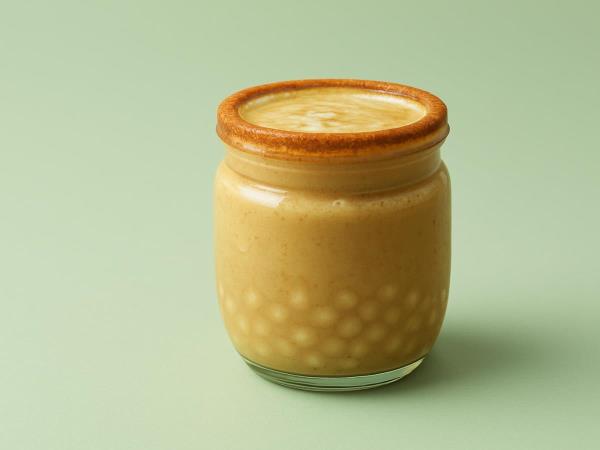
A bowl of homemade pumpkin puree is one of the richest everyday sources of beta-carotene. With a pinch of cinnamon, ginger, nutmeg or cloves, it becomes a warming, versatile base for a light breakfast or dinner that may support a balanced autumn diet.
Here is a little autumn secret: a single bowl of bright orange pumpkin puree can give your body a large share of the vitamin A it needs for the whole day, and it costs less than a cup of coffee. Few foods carry so much color, flavor and nutrition in such a simple package. Add one well-chosen spice, and an ordinary vegetable turns into a comforting meal that tastes like a holiday.
One of our readers, a retired teacher from a small Alpine village, told us how pumpkin puree became her autumn ritual. "For years I bought pumpkins only to decorate the porch," she wrote. "Then my granddaughter showed me how to cook and mash them with a little cinnamon. Now I make a big pot every Sunday. I eat it warm for breakfast with a spoonful of yogurt and roasted pumpkin seeds, and in the evening I have it with ginger tea. I feel lighter, I sleep better, and I no longer crave sweets in the afternoon." Her experience is personal, of course, but it shows how easily one seasonal food can bring more color and calm into everyday eating.
Why are pumpkins so valuable?
Pumpkins are exceptionally healthy and precious, mainly because of their nutritional properties, which place them at the very top of autumn produce. Their deep orange color comes from beta-carotene, a plant pigment the body converts into vitamin A as needed. According to USDA FoodData Central, raw pumpkin contains more than 400 micrograms of vitamin A (as retinol activity equivalents) per 100 grams, so a generous serving of 150 grams can cover a substantial part of an adult's daily needs. Older nutrition tables, which used a different unit of measurement, even listed it at well over 100% of the daily value.
Vitamin A plays an important role in normal vision, healthy skin and mucous membranes, and the normal function of the immune system, as explained by the NIH Office of Dietary Supplements. A nice bonus: beta-carotene from food is converted only as the body needs it, so it is very difficult to overdo it with vegetables alone, unlike with high-dose supplements.
Pumpkin flesh is also low in calories, naturally sweet, and a source of fiber, potassium and vitamin C. If you also want healthy fats, protein, zinc and magnesium, reach for the seeds. A tablespoon of roasted pumpkin seeds sprinkled over the puree turns a light dish into a more satisfying meal. We wrote about the nutritional value of seeds in our article Ideal food for vacation.
And if you add a teaspoon or two of spices to your pumpkin puree, you'll have a warming, well-rounded dish that can stand in for breakfast or a light dinner.
How to make pumpkin puree?
Pumpkin puree is a base for experimenting. You can mix almost anything into it. If you combine healthy ingredients, the dish will be healthy as well.
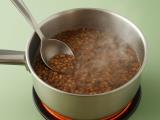
To make the puree, peel the pumpkin, remove the seeds, cut it into larger cubes, cover with water and cook it. When the pumpkin becomes soft enough, drain it and mash it into a puree.
Nutritionist's tip: Instead of boiling, try roasting the pumpkin cubes in the oven at about 180{-15696}C (356{-15696}F) for 35 to 45 minutes. Roasting concentrates the natural sweetness, and fewer water-soluble nutrients end up in the cooking water. Choose smaller, dense varieties such as Hokkaido or butternut, which give a creamier, deeper-colored puree than large carving pumpkins. Because vitamin A is fat-soluble, a teaspoon of olive oil, butter, or a handful of seeds helps your body make better use of the beta-carotene.
The puree keeps in the refrigerator for about four to five days and freezes well for two to three months. For more ideas on quick, nourishing dishes, see our article Tasty and Healthy Meals from the Blender.
You can add the following spices:
Cinnamon
This combination is often recommended as part of a diet that supports balanced blood sugar levels, and many women enjoy it as a comforting choice during the days before menstruation. On top of that, cinnamon and pumpkin puree make a delicious base for desserts without much added sugar. Some studies suggest cinnamon may have a modest effect on blood sugar, but the results are mixed, so it is best enjoyed as a flavorful part of a balanced diet rather than as a remedy.
How much? Stir about half a teaspoon to one teaspoon of cinnamon into one cup of pumpkin. Moderation matters here: the common, inexpensive cassia cinnamon contains coumarin, and the German Federal Institute for Risk Assessment (BfR) notes that an adult weighing 60 kg reaches the tolerable daily intake with about 2 grams of cassia cinnamon per day. If you enjoy cinnamon every day, choose Ceylon cinnamon, which contains only traces of coumarin. For another warming cinnamon idea, try our Warm Water with Turmeric Against Winter Troubles.
Nutmeg
In folk tradition, nutmeg has long been valued for supporting digestion and for helping the body relax in the evening. That is why pumpkin puree with a tiny pinch of nutmeg makes a pleasant light dinner, which you can pair with a cup of warm almond milk or herbal tea. Its warm, slightly sweet aroma is a natural match for pumpkin.
Important: with nutmeg, a pinch really means a pinch. Large amounts can cause unpleasant side effects. The Tennessee Poison Center at Vanderbilt University Medical Center reports that problems have been described at doses of around 15 to 20 grams, which is roughly two to three tablespoons. A pinch per serving is perfectly safe and gives all the flavor you need.
Ginger
Ginger is a popular companion during cold and flu season. It has traditionally been used to support the immune system and digestion, and it has a warming effect that many people find soothing on chilly days. A 2024 review in Frontiers in Nutrition examined ginger's antioxidant and anti-inflammatory potential and its possible role in supporting immune function. Researchers at the Leibniz Institute in Germany also observed in laboratory experiments that even small amounts of gingerol, ginger's main active compound, made white blood cells more responsive, as reported by WWJ Newsradio. More research in humans is needed, but the combination of pumpkin and ginger is a tasty way to support your body during the season of viruses.
Use about a teaspoon of freshly grated ginger per cup of puree. As Cleveland Clinic points out, ginger may also support digestion. For a refreshing ginger drink, see our recipe Summer flu due to air conditioning? 3 ingredients that strengthen the immune system.
Cloves
Cloves have been valued for centuries for their strong aroma and natural antibacterial properties. Their main aromatic compound, eugenol, has long been used in dentistry, which explains why cloves have a traditional reputation for freshening the breath. In folk tradition, they have also been associated with warmth, good circulation and even romance, as one of the classic "warming" spices.
Cloves are very intense, so two or three ground cloves (or a small pinch of clove powder) per serving are plenty. Combined with cinnamon and ginger, they give pumpkin puree the familiar flavor of homemade pumpkin pie spice.
Serving ideas from our readers
- Breakfast bowl: pumpkin puree with cinnamon, a spoonful of Greek yogurt, a few walnuts and a drizzle of honey.
- Light dinner: warm puree with nutmeg, a teaspoon of olive oil and roasted pumpkin seeds, served with a cup of herbal tea.
- Cold-season soup: thin the puree with vegetable broth, add grated ginger and a splash of coconut milk.
- Dessert: mix the puree with oat flakes, an egg and cinnamon, then bake into soft pumpkin cookies.
Pumpkin puree is proof that healthy food doesn't have to be complicated or expensive. One pumpkin, one pot and a pinch of your favorite spice are all you need for a whole week of warm, colorful autumn meals.
Information on this website is for educational purposes only and is not medical advice.
expert, nutritionist
 Would you like to be informed about news on the website?






|

