




Kefir + 3 Ingredients = A Real Treat for Your Body: Recipes That Combine Flavor, Wellbeing and Weight Management
expert, nutritionist
Scientists recently analyzed a 3,600-year-old piece of kefir cheese found alongside a mummy in northwest China, making it the oldest intact cheese ever recorded. In other words, people have been fermenting milk this way since the Bronze Age, long before anyone knew what a "probiotic" was. (The New York Times; Wikipedia: Kefir cheese)
Today, kefir is enjoying a second life. British wellness author and skincare entrepreneur Liz Earle has spoken on ITV's This Morning about starting every day with a glass of kefir, saying it gives her a morning boost and has made a noticeable difference to how she feels overall. She famously described it as "yoghurt wearing Superman underpants." (Woman & Home)
Kefir helps maintain the body's natural balance. It contains many important vitamins and minerals, so the tips below are suitable for everyone – not only for those who would like to shed a few extra pounds.
What exactly is kefir?
Kefir is a fermented milk drink, usually made from cow's, goat's or sheep's milk. It tastes slightly sour and pleasantly fizzy, and it originated centuries ago in the Caucasus Mountains. According to Michigan State University Extension, kefir contains a variety of beneficial bacteria and yeasts, as well as nutrients such as vitamin B12, calcium, magnesium, phosphorus and vitamin K2. Its proteins are partly broken down during fermentation, which makes them easier for the body to use.
Unlike yogurt, which is cultured with a few bacterial strains, kefir is made with "kefir grains" – small, gelatinous clusters of bacteria and yeasts. A review in the International Journal of Food Properties notes that traditional kefir can contain microbes from more than 50 genera, including Lactobacillus, Lactococcus and Leuconostoc. Fermentation also uses up much of the milk sugar (lactose), which is why many people who find milk heavy feel more comfortable with kefir.
Interest in fermented foods is backed by a growing body of research. In a small 2021 study from Stanford University, published in the journal Cell, volunteers who ate more fermented foods such as yogurt, kefir and kimchi for ten weeks showed a more diverse gut microbiome and lower levels of several inflammation markers. A 2026 review in Nature Reviews Microbiology similarly describes fermented foods as a source of live microbes and beneficial compounds that may support gut and immune health. Researchers stress that more studies are needed, but the direction is encouraging.
If you are curious about how everyday foods like milk and kefir fit into a balanced diet, read Novak Djokovic Starts His Morning With It — And So Does Almost Every Kitchen in Europe.
A nutritionist's note before you start
Choose plain, unsweetened kefir. Flavored versions in stores often contain surprising amounts of added sugar, which works against your goals. If you can, try homemade kefir: all you need is milk, a jar and a spoonful of kefir grains, and after about 24 hours at room temperature it is ready. Big producers such as Lifeway Foods have made kefir a supermarket staple, but the homemade version gives you full control over the ingredients.
Keep in mind that no single drink "burns" fat on its own. What these recipes can do is help you feel full, replace sugary snacks and add more vegetables, herbs and probiotics to your day. Combined with balanced meals and regular movement, that is where real results come from.
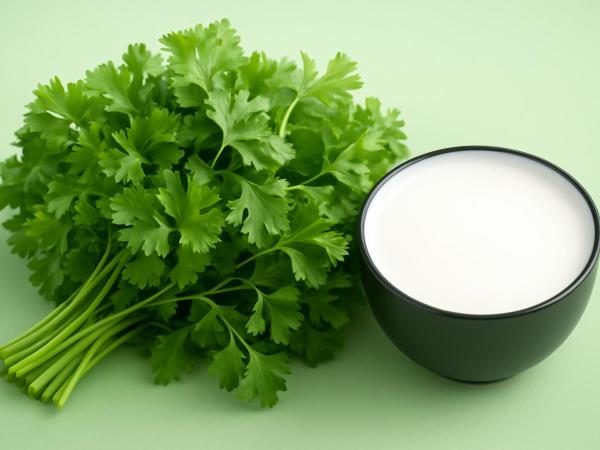
1. The morning parsley and cinnamon drink (the classic "fat-burning" recipe)
Ingredients:
- 1 tablespoon finely chopped parsley
- a pinch of cinnamon
- 100 ml (just under ½ cup) kefir
Mix all the ingredients and let them stand for at least an hour. Drink it all at once, preferably before meals, or even better on an empty stomach. Keep in mind that parsley is a diuretic, which means you will be going to the toilet more often. So drink more water during the day, and it is better not to drink this beverage in the afternoon, or your sleep may be seriously disturbed.
Why it works: Parsley is far more than a garnish. It is rich in vitamin C, vitamin K and antioxidants, and even a small handful adds a noticeable amount of iron to your day. You can read more in A garden herb that surpasses pork steak in iron content – and you most likely already have it at home. Cinnamon has been studied for its role in steadier blood sugar after meals; an early study in Diabetes Care (2003) reported improved glucose and blood lipid values in people with type 2 diabetes who took cinnamon daily, although later studies have produced mixed results. Steadier blood sugar can mean fewer sudden cravings – one reason this drink is popular before meals.
Good to know: A pinch of cinnamon is perfectly fine, but if you use it every day, consider Ceylon cinnamon, which contains much less coumarin than the more common cassia variety. Pregnant women should avoid large amounts of parsley.
One reader shared that she started replacing her mid-morning biscuit with this drink. "The first week was mostly about getting used to the taste," she wrote, "but after a month I noticed I wasn't reaching for snacks before lunch anymore."
2. The cleansing beetroot and lemon smoothie
Ingredients:
- ¼ cup red beetroot juice
- 250 ml (about 1 cup) kefir
- juice of one lemon
If you don't have fresh beetroot juice, you can make it by putting beetroot in a blender and then straining everything through a cotton cloth. Then mix all the ingredients and drink it all at once.
Why it works: Beetroot is a natural source of dietary nitrates, which the body converts into nitric oxide – a molecule involved in healthy blood flow. A systematic review in Critical Reviews in Food Science and Nutrition found that beetroot juice may support physical performance, such as endurance, and a more recent systematic review published on PubMed Central looked at its potential role in healthy aging, including physical and cognitive function. According to WebMD, beets also provide folate, potassium, vitamin C and fiber. The vitamin C from lemon brightens the flavor and balances the earthy taste of beetroot, while kefir makes the drink creamy and more filling.
Good to know: Don't be alarmed if your urine or stool turns reddish after drinking beetroot juice – this is harmless. Beetroot is relatively high in oxalates, so people prone to kidney stones should enjoy it in moderation. If you take medication for blood pressure, talk to your doctor before drinking beetroot juice regularly. More on the nutritional profile of beetroot juice can be found at Medical News Today.
A reader who cycles to work told us he drinks this smoothie on weekends before longer rides: "I can't say it made me a different person, but it's become my favorite pre-ride ritual – and it's much tastier than I expected."
3. The savory vegetable smoothie
Ingredients:
- 1 tomato
- 1 clove of garlic
- 1 tablespoon olive oil
- 50 ml (about ¼ cup) kefir
- herbs (to taste)
Finely chop the garlic. If you decide to use herbs, chop them finely as well, then blend all the ingredients well in a blender. Add the kefir at the end.
Why it works: Think of this drink as a liquid Mediterranean salad. Tomatoes provide lycopene, a colorful plant pigment that the body absorbs better in the presence of fat – which is exactly why the spoonful of olive oil matters. Garlic has a long culinary and traditional history, and the U.S. National Center for Complementary and Integrative Health notes that it has been studied for heart health, although results so far vary. Basil, dill, chives or parsley all work well here. Because this drink is savory and low in sugar, it makes a great afternoon snack instead of crisps or crackers.
Good to know: Raw garlic can irritate a sensitive stomach, so start with half a clove if you are not used to it. If you take blood-thinning medication, check with your doctor before eating large amounts of garlic regularly.
How to make kefir part of your routine
- Start small. If kefir is new to you, begin with a small glass a day and let your digestion adjust.
- Pair it with fiber. Vegetables, herbs and seeds give the beneficial bacteria in kefir something to "feed" on. Ground flaxseed stirred into kefir is a simple option, as explained in Five Unexpected Allies Against Migraine — From Coffee to Ginger.
- Use it as a snack, not an extra. Kefir works best when it replaces something less nourishing, for example in a structured meal plan like the one in The 3-Day Diet Menu Every Bride Seems to Be Talking About.
- Combine it with other fermented foods. Sauerkraut, kimchi and true sourdough bread add variety to your diet. Read more in One Bite of Bread Could Be Crossing a Line Your Gut Won't Forgive.
- Eat plenty of plants. Kefir fits perfectly into a diet rich in vegetables, legumes and grains – an idea with surprisingly ancient roots, as you can see in Were gladiators really vegetarians?
Who should be careful?
Kefir is well tolerated by most people, but those with a milk protein allergy should avoid dairy kefir (water kefir or coconut kefir may be alternatives). People with a weakened immune system should consult their doctor before consuming live-culture products. As with any change in diet, if you have a chronic health condition, are pregnant or take regular medication, it is best to talk to your doctor or a registered dietitian first.
Information on this website is for educational purposes only and is not medical advice.
expert, nutritionist
 Would you like to be informed about news on the website?













|

