




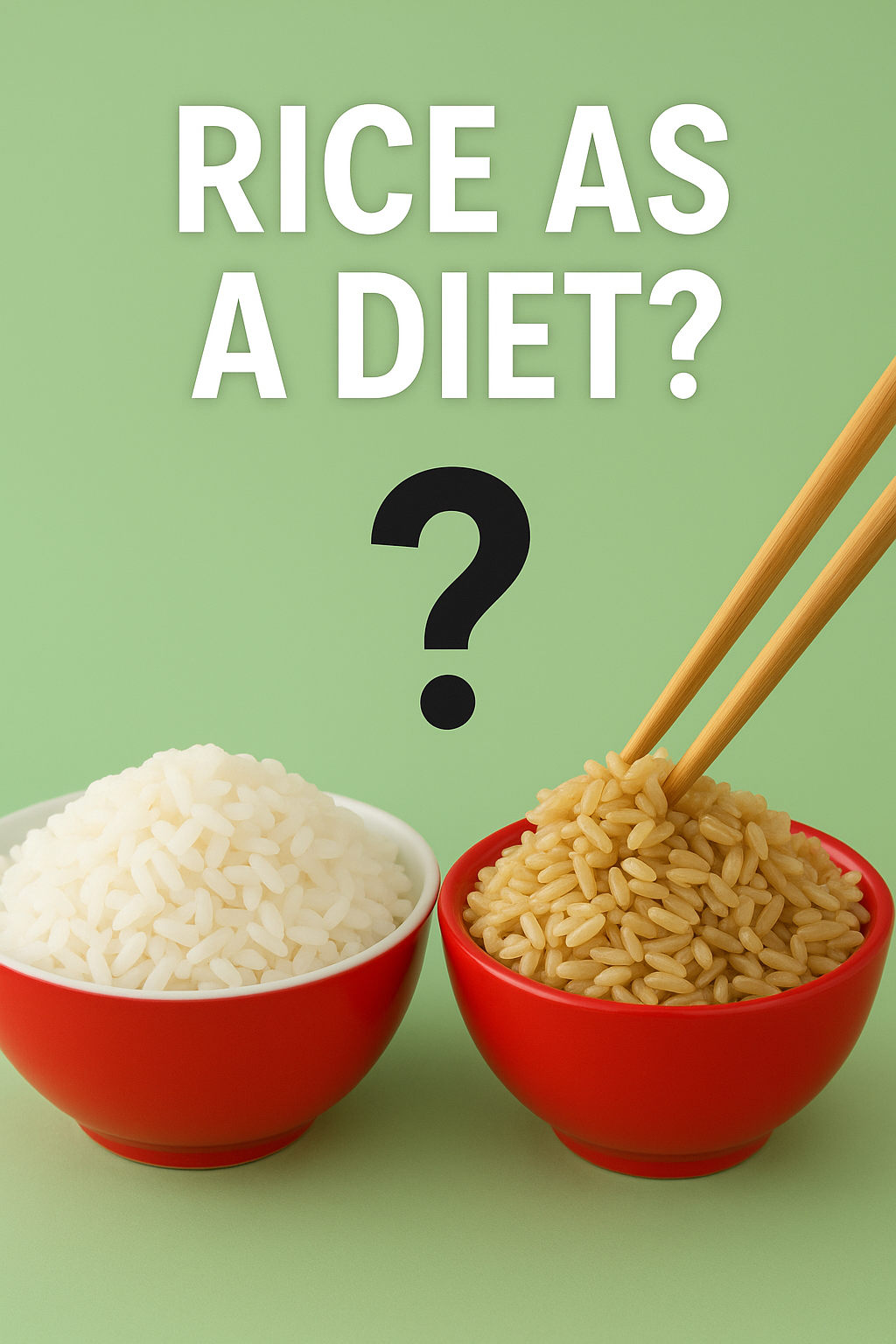


Rice as a Diet? A Well-Known Asian Approach the West Is Only Now Discovering
expert, nutritionist
You may be surprised, but one of the simplest and most natural diets we know is based on a food almost all of us already have in the kitchen: rice. While the Western world keeps chasing the next big nutrition trend, many Asian food cultures have treated rice for thousands of years as a foundation of everyday wellbeing, not just a source of energy.
The West actually met the "rice diet" decades ago. In 1939, Dr. Walter Kempner launched the famous Rice Diet at Duke University in Durham, North Carolina. It began as a strictly supervised medical program and later became a celebrity weight-loss destination. Hollywood names such as Shelley Winters, Lorne Greene and comedian Buddy Hackett all travelled to Durham to take part. The original program was extremely strict and medically supervised, which is very different from the gentler, short-term approach described below.
Before You Start: A First-Hand Experience
One of our readers recently wrote to us about her experience with the rice diet. For the first five days she was skeptical, but she stuck with it. By the end of the week, the scale showed 3.5 kilograms (about 7.7 lb) less, and she felt light and full of energy, even better than after the more demanding diets she had tried before. She says the key turning point was that she never felt hungry: the rice filled her stomach without leaving that heavy feeling after a meal.
A nutritionist's note: quick results in the first week often come partly from losing water and stored carbohydrate (glycogen), not only body fat. That is perfectly normal. Lasting results depend on what you do after the plan ends.
Why Brown Rice?
If you decide to try a rice-based plan, choose brown, unpolished rice whenever you can. The reason is simple. According to Harvard Health Publishing, boiled white rice has a high glycemic index (around 73), while brown rice falls into the medium range (around 68). Exact values vary with the variety and the cooking method, and some brown rice varieties score lower still. A lower glycemic index generally means gentler rises in blood sugar and a longer feeling of fullness. Harvard also lists brown rice among the recommended lower-GI swaps for white rice.
There is long-term evidence as well. In a large study by the Harvard School of Public Health, published in Archives of Internal Medicine, researchers followed almost 200,000 American adults. They estimated that replacing about 50 grams of white rice a day with brown rice was associated with a 16% lower risk of type 2 diabetes. This was an observational study, so it shows an association rather than proof of cause and effect. Still, it fits the broader advice to choose whole grains more often.
In addition, brown rice contains naturally occurring antioxidant compounds such as ferulic acid, phytic acid and gamma-oryzanol, which help protect cells from oxidative stress. Research published in the Journal of Agricultural and Food Chemistry found that whole grains, brown rice included, have notable antioxidant activity. Brown rice also offers more fiber, magnesium and B vitamins than white rice, nutrients that support healthy digestion and overall wellbeing. Why does fiber matter so much? Read The Secret Weapon Against Stubborn Weight: Is Fiber the One Thing Missing From Your Diet?
One fair caveat: brown rice can contain more arsenic than white rice, because arsenic tends to collect in the outer layer of the grain. The U.S. Food and Drug Administration (FDA) recommends eating a variety of grains. Cooking rice in plenty of water and draining the excess can also help reduce arsenic. This is one more reason a rice-focused plan should stay short.
If you would like to see how brown rice compares with white rice in more detail, read: Is white rice healthy or not?
Basic Rules of the Rice Diet
- The diet should not last longer than 2 weeks. After that, take a break of at least a month.
- The diet is low in sugar (only natural sugars), so try to avoid sweets while you follow it. If you really crave something sweet, have a teaspoon of honey.
- One glass always means 200 ml (about 7 fl oz) of drink.
- The portion of side dishes should never be larger than the portion of rice itself.
- Eat dinner at least 2 hours before bedtime.
- Always drink enough water, spread evenly throughout the day. Proper hydration supports digestion and helps you tell real hunger from thirst. Why can a diet stall even when you try hard? Read 10 reasons why every weight loss diet fails.
Important note: This article is for general information only and does not replace advice from a doctor or registered dietitian. This plan is lower in calories and protein than a typical diet. Please talk to a professional before starting any diet, especially if you have diabetes, kidney disease or another chronic condition, take regular medication, are pregnant or breastfeeding, or have a history of disordered eating.
7-Day Rice Diet Menu
Day 1
- Breakfast: 50 g (about 1.8 oz) of rice cooked in water (or steamed) + a glass of freshly squeezed juice (apple juice works too)
- Lunch: 150 g (about 5.3 oz) of rice with vegetables, lightly dressed with olive oil (about as much as you would use on a salad)
- Dinner: 150 g of rice with cooked carrots (preferably lightly cooked)
Day 2
- Breakfast: 50 g of rice + a glass of low-fat milk
- Lunch: 150 g of rice with lean meat (we recommend skinless chicken breast)
- Dinner: 150 g of rice with carrots
Day 3
- Breakfast: 50 g of rice + the same amount of fruit
- Lunch: 150 g of rice with seafood
- Dinner: 150 g of rice with carrots
Day 4
- Breakfast: 50 g of rice + 1 apple + half a glass of milk
- Lunch: 150 g of rice with carrots
- Dinner: 150 g of rice with a baked or poached chicken fillet
Day 5
- Breakfast: 50 g of rice + a handful of raisins + a glass of kefir
- Lunch: 150 g of rice with vegetables
- Dinner: 150 g of rice with nuts and seeds (walnuts, hazelnuts, pumpkin seeds, or chia)
Day 6
- Breakfast: 50 g of rice + a banana
- Lunch: 150 g of rice with vegetables
- Dinner: 150 g of rice with seafood
Day 7
- Breakfast: 50 g of rice + an apple
- Lunch: 150 g of rice with tomato sauce
- Dinner: 150 g of rice with zucchini
Nutritionist's tip: Some days on this menu are quite low in protein. If you feel weak or overly hungry, add an egg, a portion of beans or lentils, or a little more fish or chicken. Protein helps you feel full and supports muscle maintenance.
Tips for Better Results
Vegetables are your best ally on this plan. Water-rich vegetables such as zucchini, cucumbers and celery add volume to your plate for very few calories, and their fiber keeps digestion moving. Which vegetables are the most fiber-packed? Read Fiber is the express train to your happiness.
It is equally important not to skip meals. Regular meals help keep hunger under control and make it less likely that you will overeat later in the day. For simple ways to stay satisfied, see 3 tricks to never be hungry and Diet without dieting and 2 kg less per week.
When you finish the rice diet, don't forget to return to normal eating gradually. Make the transition slowly and follow the advice in How to Lose Weight Without Harming Your Health. That is the best way to make your new weight last. Also watch out for "healthy-looking" foods that can quietly undo your progress: Hello, and Fattening: Foods that Sabotage Your Diet.
Asian Wisdom vs. the Western View
In parts of Asia, a simple rice-based diet is traditionally seen as a ritual to follow at least once a year. Many people believe it helps "reset" both body and mind, and losing weight is not the main goal. In the West, we look at diets from a completely different angle: the battle with the scale is usually concern number one.
Interestingly, this Eastern tradition overlaps with some modern nutrition findings. Rice contains the amino acid tryptophan, which the body uses to make serotonin and melatonin, compounds involved in regulating sleep. A study of Japanese adults published in PLOS ONE found that people who ate more rice tended to report better sleep quality. Good sleep, in turn, is one of the important factors in managing body weight. See When you sleep too little, your belly grows.
The Bottom Line
A short rice-based plan is not a miracle cure, and it is not meant for the long term. But as a one- or two-week reset, it can help you slow down, simplify your plate, and rediscover how satisfying plain, whole foods can be. The habit worth keeping long after the plan ends is the swap from white rice to brown rice and other whole grains, together with plenty of vegetables.
Information on this website is for educational purposes only and is not medical advice.
expert, nutritionist
 Would you like to be informed about news on the website?














|

