





5 Everyday Foods That May Help Keep Your Hormones in Balance
expert, nutritionist
Imagine feeling inexplicably drained, foggy, or "off" for weeks — even though nothing in your life has changed. For many people, the first place to look isn't the calendar or the coffee cup, but the plate. Hormones are the body's chemical messengers, and even small nutritional gaps can nudge that delicate messaging system off balance.
Supermodel Miranda Kerr has spoken publicly about how closely she pays attention to what lands on her plate, describing an "80/20" approach where healthy eating does most of the heavy lifting. Her go-to ingredients read like a checklist for hormone-friendly eating: she has said she eats close to half an avocado a day, favors salmon seasoned with turmeric and lemon, and finishes meals with mashed sweet potato. It's a good reminder that the foods nutritionists recommend for hormonal wellbeing aren't exotic — they're often already sitting in the produce aisle.
Hormones themselves are remarkably diverse. Some reach their target cells within seconds, others take hours to have an effect, and not every hormone can act on every cell — only those with the right receptors respond. It's a finely tuned system, and when it drifts out of balance (whether a hormone runs low or spikes too high), the effects can ripple through energy, digestion, mood, and more. The good news is that everyday nutrition is one of the more approachable levers people can use to support that balance.
1. Coconut Oil
Coconut oil is prized for its antibacterial and anti-inflammatory compounds, and many people find it helpful for easing bloating. It's often described as one of the more talked-about "healthy fats" — partly because it's an easy source of energy, which is why some people stir it into their morning coffee. Nutritionally, coconut oil supplies fatty acids that the body can draw on for hormone production. You can eat it raw in its solid form, warmed into a liquid, or use it for baking and cooking — it holds up well at high heat, including frying, without breaking down the way some other oils do.
Its reputation isn't just folklore: lauric acid, which makes up roughly half of coconut oil's fatty acid content, has been studied for its natural antimicrobial and anti-inflammatory properties in laboratory and pharmacological research.
2. Avocado
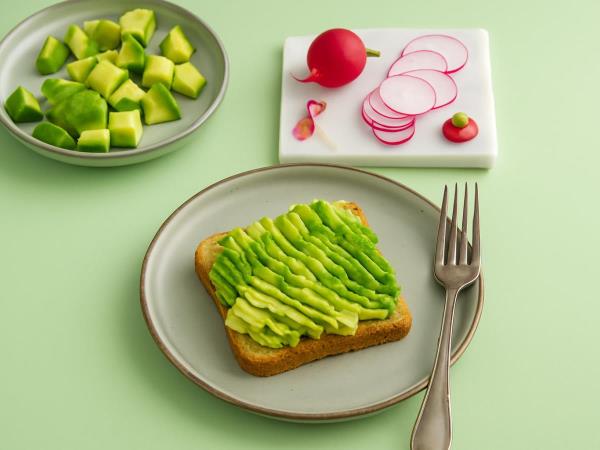
Avocado has more than earned its place as a diet staple. It's rich in heart-friendly omega-3 fats and vitamins E, K, and C — and those particular vitamins are closely tied to how the body regulates estrogen. Avocado also delivers more fiber gram-for-gram than an apple, which matters because fiber supports the body's natural process of clearing out excess hormones and metabolic byproducts. A simple, satisfying way to enjoy it: mashed avocado on toast with a scattering of onion, a crack of pepper, a pinch of salt, and a slice of tomato on top.
Vitamin E in particular is recognized as playing a supporting role in balancing estrogen levels, according to nutrition research summarized by health outlets covering hormone-friendly eating.
3. Salmon
Salmon is another cornerstone food for hormonal support, thanks to its generous omega-3 content. Omega-3 fatty acids are essential for brain function and for healthy cell growth and development. Salmon also has anti-inflammatory properties and is associated with a lower risk of several chronic conditions. As a rough guide, aiming to include salmon in your diet every few days is a reasonable target for most people.
Omega-3s from fatty fish are widely recognized for supporting heart and brain health — the National Institutes of Health Office of Dietary Supplements outlines their role in reducing inflammation and supporting cell membrane function, which in turn matters for how hormones signal between cells.
4. Chia Seeds
These tiny gluten-free seeds are endlessly versatile — stir them into almost any dish. They're rich in fiber and omega-3s, and research suggests they may help stabilize blood sugar and support healthy cholesterol levels. A chia pudding is an easy way to enjoy them; it's even better if you let the seeds soak in plant-based milk for a few minutes first. Chia seeds mixed with a bit of jam is another simple, tasty combination.
Their soluble fiber forms a gel in the digestive tract that may help slow the absorption of dietary cholesterol, and some clinical research has linked regular chia consumption to gentler post-meal blood sugar responses — see this overview of chia seed research for more detail.
5. Sweet Potato
Brown rice, quinoa, and sweet potato are all foods worth having regularly on your plate. Sweet potato does contain a fair amount of carbohydrate, but it's the complex kind — digested more slowly and generally considered a gentler choice for blood sugar than refined carbs. Among root vegetables, sweet potato is often singled out as one of the healthier options — at least where overall wellbeing is concerned.
One More Thing
Even if you're not currently noticing any hormone-related symptoms, that can shift surprisingly quickly. Alongside a varied, balanced, and regular diet, don't overlook the basics: stay physically active, prioritize enough sleep, and try to keep stress in check. Together, these habits go a long way toward keeping your body running the way it should. Diet also plays a role in less obvious corners of hormonal health — sweetened drinks, for instance, have been linked to their own effect on thyroid hormones, which is worth keeping in mind alongside what you're adding to your plate.
Information on this website is for educational purposes only and is not medical advice.
expert, nutritionist
 Would you like to be informed about news on the website?















|

