




The Hidden Power of Cabbage: One Humble Kitchen Staple That Supports Your Health From Head to Toe
expert, nutritionist
It sits quietly in the produce aisle, cheap, unglamorous, and often overlooked — yet the humble head of cabbage may be one of the most underrated vegetables in your kitchen. Long before "superfood" became a marketing buzzword, cooks and healers were already turning to cabbage and its juice as an everyday tonic for digestion, energy, and overall wellbeing.
Cabbage-based diets have even found their way into Hollywood wellness routines over the years. Actress Sarah Michelle Gellar has been reported to have used a cabbage-based diet for a quick pre-event reset — a reminder that this unassuming vegetable has quietly earned a following far beyond the farmer's market. Nutritionists are quick to note that such short-term diets are best treated as an occasional reset rather than a long-term eating plan, but the vegetable at their center has a nutritional r{-15447}sum{-15447} worth taking seriously on its own.
A Centuries-Old Kitchen Remedy Backed by Modern Nutrition Science
Cabbage has been used in traditional medicine for centuries, and modern nutrition research is starting to explain why. It's exceptionally rich in antioxidants and minerals, which alone makes a strong case for eating it regularly. It also supplies generous amounts of vitamin C, along with a lesser-known compound nicknamed "vitamin U."
Despite the name, vitamin U isn't a true vitamin — it's a methionine-derived compound (S-methylmethionine) first identified in cabbage juice in 1950 by Stanford researcher Garnett Cheney. In his original studies, people with stomach and duodenal ulcers who drank cabbage juice daily reportedly experienced symptom relief and faster healing compared with the standard treatments available at the time. Cheney published his findings in the Journal of the American Dietetic Association, and the "vitamin U" nickname — the U standing for ulcer — has stuck ever since, even though later researchers were never able to pin down exactly which compound (or combination of compounds) in cabbage juice was doing the work. It's an interesting piece of nutrition history, but worth treating as a traditional remedy rather than a proven medical treatment — anyone with a diagnosed ulcer should still work with a doctor.
Cabbage is also traditionally recommended for people dealing with low iron levels or general fatigue, since some of its natural compounds have mild antiseptic properties that are thought to support the body's own replenishment of vitamins and minerals. As with the ulcer research, this is a long-standing folk use rather than a settled clinical fact, so it's best seen as a helpful dietary habit alongside — not instead of — medical guidance for anemia.
From Coughs to Digestion: Cabbage's Long List of Traditional Uses
Folk medicine credits cabbage with easing a surprising range of minor complaints, from hiccups and coughs to chronic discomfort and even ear inflammation. It's also considered a gentle natural diuretic, meaning it may support the body's own detoxification processes and help keep digestion moving. Thanks to its notable sulfur, chlorine, and iodine content, cabbage is traditionally thought to help clear excess mucus from the digestive tract and has long been used to soothe stomach discomfort.
What the Research Says About Cabbage and Cancer Risk
This is where cabbage gets real scientific attention. Cabbage belongs to the cruciferous vegetable family — alongside broccoli, kale, and Brussels sprouts — and owes much of its reputation to a compound called sulforaphane. According to the Linus Pauling Institute's Micronutrient Information Center, sulforaphane and related isothiocyanates are being studied for their potential to support the body's natural defense enzymes.
Laboratory studies have found that sulforaphane can slow the growth of several types of cancer cells. Research published in Drug Discovery Today reported that sulforaphane halted the growth of human breast cancer cells in lab settings, and a separate study in Oncotarget found that sulforaphane slowed the growth of colorectal cancer cell lines by interfering with a key cell-signaling pathway. It's important to be clear about what this means: these are early-stage laboratory findings, not evidence that eating cabbage prevents or treats cancer in people. Researchers themselves stress that robust clinical research confirming a real-world protective effect in humans is still lacking. Still, it's a promising area of nutrition science, and it's one more reason cruciferous vegetables are consistently recommended as part of a health-conscious diet — never as a substitute for medical screening or treatment.
A Possible Ally for Healthy Weight Management
Cabbage has one more trick up its sleeve: some research suggests compounds in cabbage may influence how the body processes sugar, which is part of why it's a popular ingredient in low-calorie meal plans and short-term weight-management diets, cabbage soup diets included. As with any restrictive eating plan, it's worth checking in with a healthcare provider before trying one, especially if you have an existing health condition — and people with thyroid conditions should be mindful that cruciferous vegetables like cabbage contain goitrogens, compounds that in large amounts may affect thyroid function.
How to Make Cabbage Juice at Home
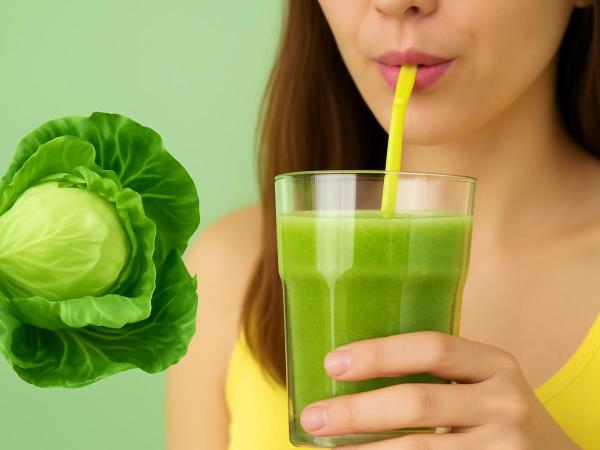
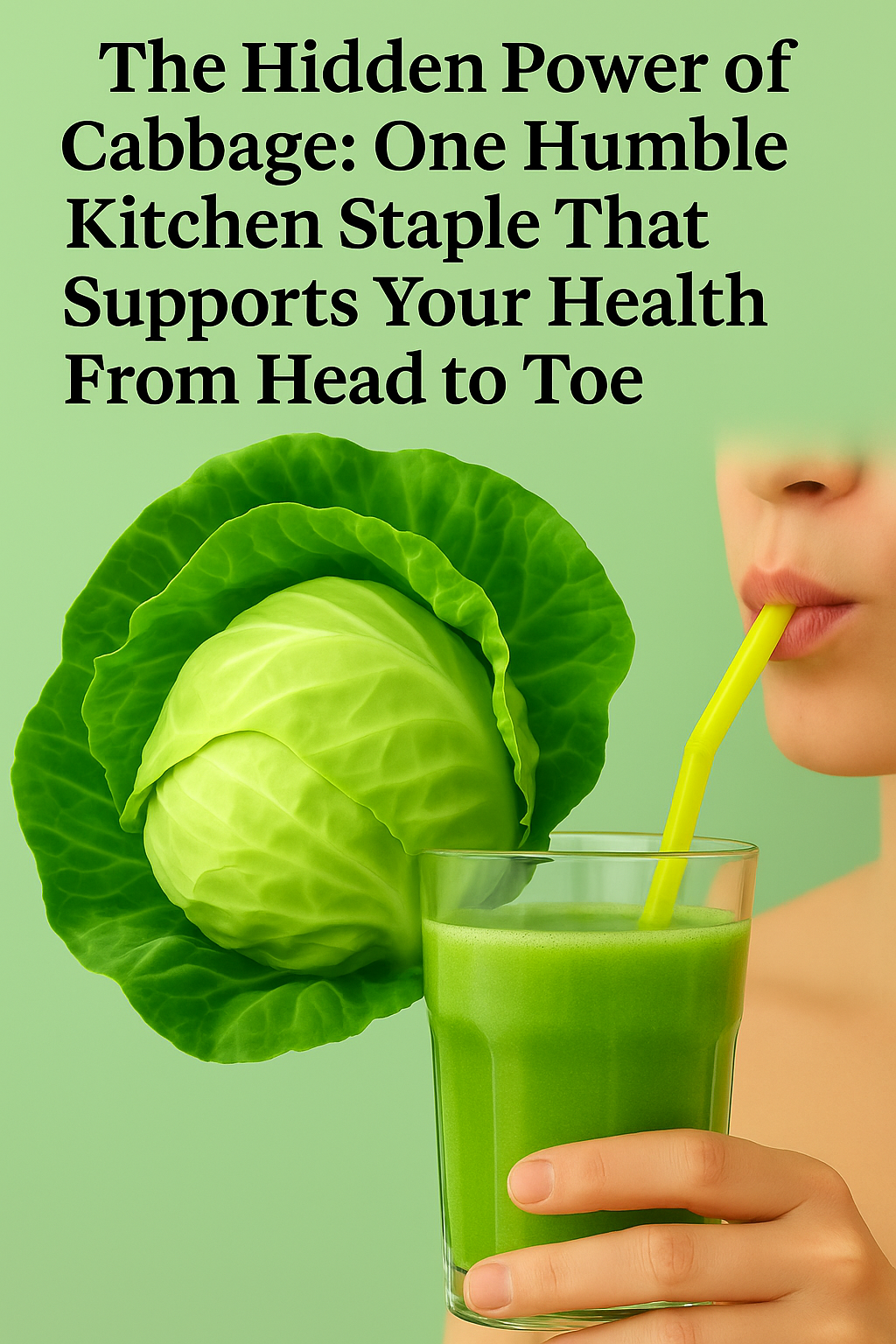
You can extract cabbage juice using either a juicer or a regular blender. Before juicing, soak the cabbage leaves for about 30 minutes in warm water with a splash of apple cider vinegar. This step does double duty: the vinegar helps rinse away surface bacteria and residue (even organically grown cabbage can pick up traces from air, water, and soil), and it's believed to support digestion once you drink the juice, helping your body make the most of cabbage's natural benefits.
A quick note before you start: cabbage juice is a flavorful addition to a varied diet, not a medical treatment. If you're managing a health condition, are pregnant, or take regular medication — particularly blood thinners, given cabbage's vitamin K content — it's worth checking with your doctor before making it a daily habit.
Information on this website is for educational purposes only and is not medical advice.
expert, nutritionist
 Would you like to be informed about news on the website?












|

