






What Your Body Really Needs After 40: The 7 Nutrients Most People Quietly Run Low On
expert, nutritionist
You can eat what looks, on paper, like a perfectly balanced diet — and still feel tired, foggy, or "off" in ways you can't quite explain. After 40, that's not always in your head. It's often in your absorption.
One reader in her mid-40s told us she'd been dealing with muscle cramps at night and a kind of low-grade exhaustion no amount of sleep seemed to fix. A routine blood panel, ordered by her GP after she mentioned it at a check-up, flagged borderline-low magnesium and vitamin D. Nothing dramatic — but enough that a few dietary tweaks and a short course of supplements, agreed with her doctor, made a noticeable difference within a couple of months. Her experience isn't unusual: as the body matures, some of the most important vitamins and minerals become harder to absorb from food alone, even when the diet itself hasn't changed.
Here are seven nutrients nutrition researchers say tend to need more attention as we get older — and why.
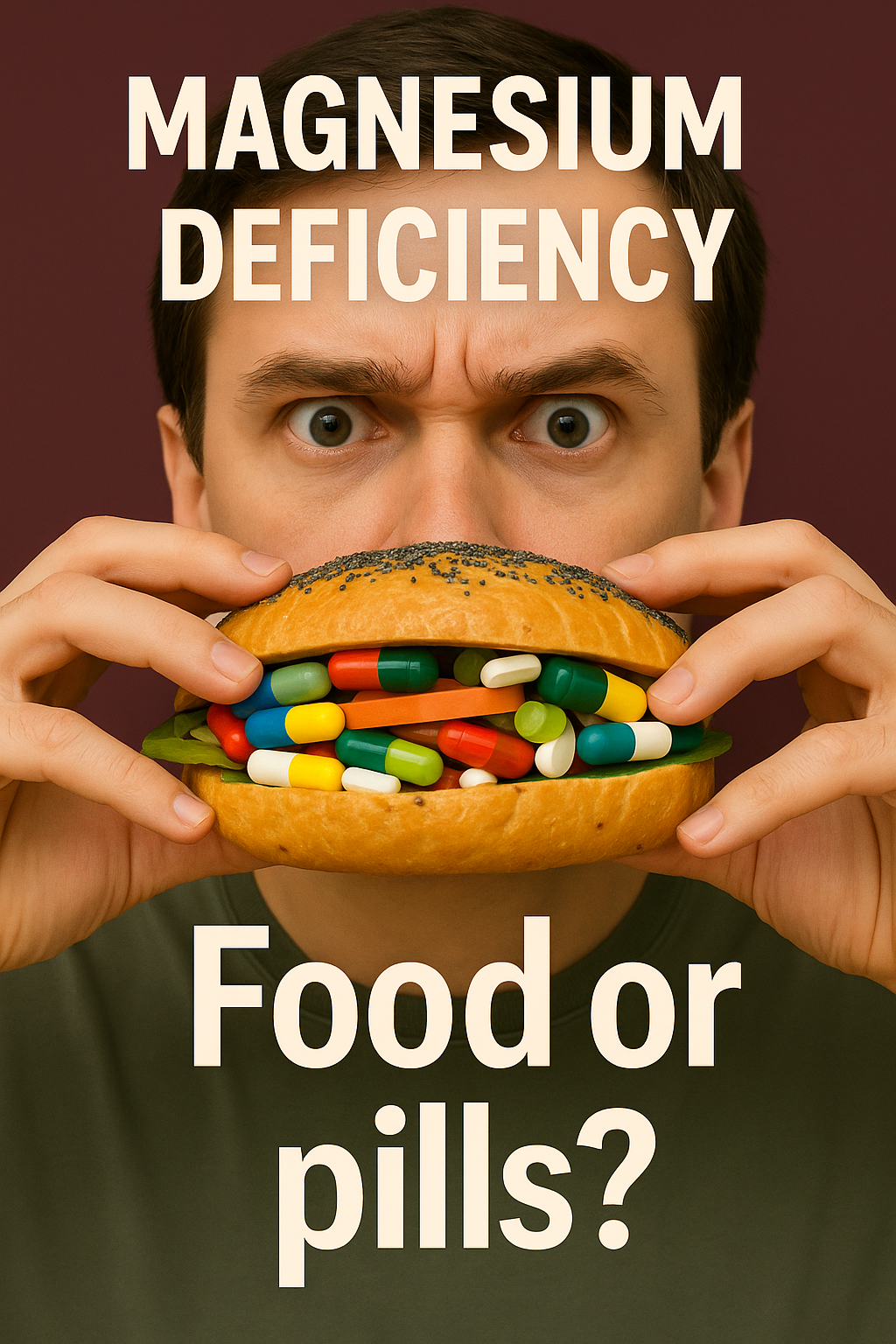
1. Magnesium
Magnesium plays a role in healthy blood pressure regulation, and low levels have been associated in some studies with an increased risk of type 2 diabetes, chronic inflammation, and cardiovascular issues. It also supports calcium absorption, muscle and nerve function, and blood sugar regulation. Good sources include dark leafy greens, beans, nuts, seeds, and avocado — cashews in particular pack a surprising amount into a small handful. Very high intakes from supplements (rather than food) can occasionally cause nausea, diarrhea, or muscle cramping, so more isn't automatically better.
2. Calcium
Calcium is best known for supporting bone strength and helping reduce fracture risk, but only around 30% of the body's calcium is actually stored in bone — the rest supports muscle contraction, heart rhythm, and nerve signaling. Because the body pulls calcium from bone reserves when dietary intake is low, more isn't always better here either; some research has linked very high supplemental doses to cardiovascular concerns. Pairing calcium-rich foods with magnesium may support better balance. Dairy products, broccoli, sardines, almonds, and leafy greens like spinach are solid dietary sources.
3. Vitamin D
Vitamin D deficiency has been studied in connection with a range of health outcomes, from bone density to immune and cardiovascular health, and some research has explored possible links to accelerated cellular aging. The NIH Office of Dietary Supplements notes that sunlight exposure, fatty fish, fortified dairy, and eggs are the main sources — though in northern climates like Slovenia's, many adults run low over winter regardless of diet, which is worth discussing with a doctor rather than self-treating.
4. Potassium
Potassium supports healthy blood pressure and nerve function, and some population studies suggest higher intake is associated with a lower risk of stroke. That said, this is a nutrient where the therapeutic window matters: too much can be just as risky as too little, potentially straining the digestive system and heart rhythm, particularly for people with kidney issues. Ripe bananas, sweet potatoes, Swiss chard, beans, and lentils are good everyday sources — this is one to discuss with a doctor before supplementing.
5. Vitamin B12
B12 is essential for healthy red blood cell formation and cognitive function. Absorption naturally declines with age — by around 50, stomach acid production (which B12 absorption depends on) has often dropped significantly, making deficiency more common even among people who eat plenty of animal protein. Because B12 is water-soluble, the body excretes what it doesn't need, which is one reason many nutritionists suggest higher daily intakes for older adults, whether from food, fortified products, or supplements recommended by a healthcare provider.
6. Omega-3 Fatty Acids
Omega-3s have been studied for their potential role in heart health, cognitive function, and healthy cholesterol and blood pressure levels, with some research also looking at associations with reduced risk of cognitive decline. Fatty fish, walnuts, flaxseed, and leafy greens are common sources. Very high intakes can interact with blood-thinning medications, so anyone on anticoagulants — or with elevated triglycerides — should check with their doctor before adding supplements.
7. Probiotics
Not a vitamin or mineral, but increasingly recognized as important for digestion and overall wellbeing. Probiotics — live, active cultures found in fermented and dairy products — have been studied for their potential role in gut health, weight management support, and cardiovascular and metabolic wellness. Because they need to be live cultures to have an effect, they're destroyed by heat, so fermented foods are best eaten unheated where possible.
Information on this website is for educational purposes only and is not medical advice.
expert, nutritionist
 Would you like to be informed about news on the website?















|

