






Water Has Its Own Rules: 7 Everyday Drinking Mistakes You're Probably Making
expert, nutritionist
You've probably never thought twice about how you drink water. You grab a glass, gulp it down, and move on with your day. But according to nutritionists, a handful of tiny habits — the temperature of the water, the speed you drink it at, even whether you're sitting or standing — can determine whether that glass of water is actually doing its job.
NFL legend Tom Brady made headlines for the opposite problem: drinking far too much water. In his book "TB12: How to Achieve a Lifetime of Sustained Peak Performance," Brady described a hydration routine built around drinking roughly half his body weight in ounces of water a day — sometimes reportedly reaching dozens of glasses. Nutrition experts who reviewed the claims, as reported by The Daily Meal, pointed out that drinking water far beyond what the body needs can dilute sodium levels in the blood — a condition doctors call hyponatremia, which the Mayo Clinic explains can range from mild to serious depending on how extreme and sudden the imbalance is. It's a good reminder that with water, more isn't automatically better — and that a mindful approach to drinking matters just as much as the amount.
So what does "drinking water correctly" actually look like? Here are seven habits worth rethinking.
1. Sit down before you drink (or eat)
Whatever you're sipping, try to do it seated rather than standing. Many people say that drinking on the run, tense and upright, feels rushed and less comfortable than taking a moment to sit and breathe normally while they drink. It's a small ritual, but plenty of readers who've tried slowing down this way say it makes hydration feel less like a chore and more like a proper pause in the day.
2. Small sips, steady breathing — never gulp
Chugging a large glass of water in one go can feel like a shock to the stomach, especially on an empty one, and some people notice bloating or mild cramping afterward. Nutritionists generally recommend small, steady sips paired with normal breathing instead of one long gulp. This is one of the simplest habits highlighted in general hydration guidance from the U.S. Centers for Disease Control and Prevention (CDC), which encourages spreading water intake out in small amounts throughout the day rather than front-loading it.
3. Drinking "too much" water won't harm you — but your kidneys do have limits
If you drink more water than your body needs in one sitting, it largely just passes through your digestive system a little faster, which is why you may find yourself heading to the bathroom more often. Your body doesn't "store" the extra. That said, there is a real physiological limit worth knowing: the kidneys can typically process somewhere around 800 to 1,000 millilitres of fluid per hour, and consistently drinking far beyond that pace — especially in a short window — is one of the mechanisms behind the sodium imbalance described earlier by the Mayo Clinic. For most people going about a normal day, this simply isn't a concern — it mainly comes up for endurance athletes and people drinking extreme volumes very quickly.
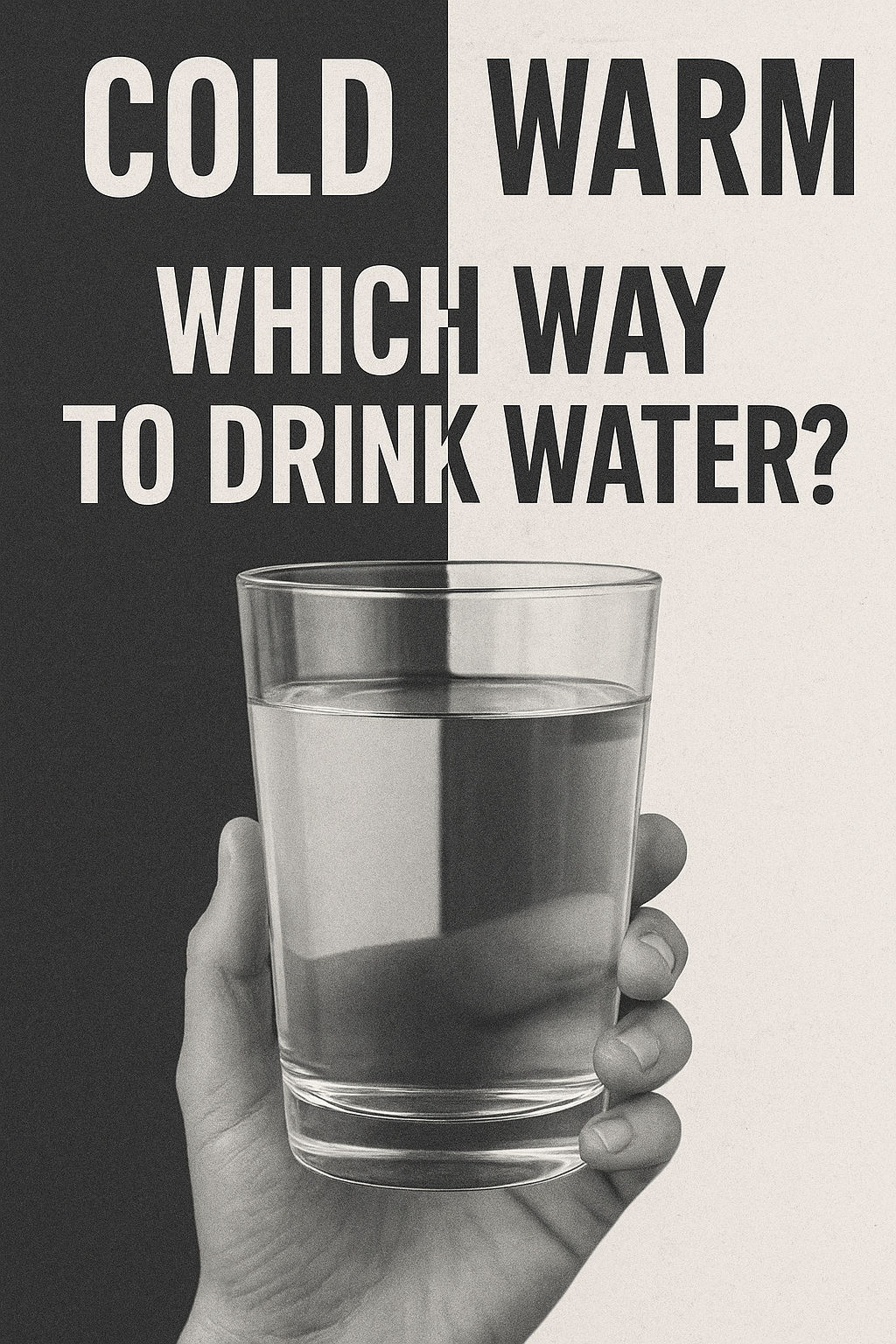
4. Room-temperature or warm water may be gentler than ice-cold
There's a long-standing belief that cold water "shocks" digestion, while lukewarm or warm water is easier on the system. The science here is genuinely mixed: some research reviewed by Food Network Healthy Eats suggests cold water may give metabolism only a very slight, short-lived nudge as the body warms it up — not a meaningful weight-loss trick. Still, many people simply find warm or room-temperature water more soothing, particularly first thing in the morning or alongside meals. If you enjoy the ritual of a warm drink, Foodwhisper's own old German recipe for boiled lemon water and its warm turmeric water for winter are two gentle, comforting ways to build the habit.
5. Go easy on water during meals — save the sips for after
Traditional wisdom, particularly from Ayurvedic practice, holds that a meal is best digested when the stomach is left with room to work: roughly half filled with food, a quarter with liquid, and a quarter left empty. It's a helpful visual guide rather than a strict rule, and it's worth noting that a closer look at the science, including expert commentary gathered by VERA Files' fact-check on the topic, found that sipping water with meals doesn't meaningfully "dilute" digestion the way folklore suggests — a Yale gastroenterologist quoted there notes the body simply produces as much digestive acid as it needs. Even so, many people find a light touch with liquids during the meal, followed by a proper glass afterward, simply feels more comfortable. If you're building a lighter, water-forward drink to round off a meal, Foodwhisper's low-calorie, iron-rich detox drink is a popular reader favorite for this.
6. Let thirst be your guide
Drinking because you're genuinely thirsty — rather than out of habit, boredom, or a strict diet rule — is generally seen as a healthy sign that your body's natural signals are working. General hydration guidance from the Mayo Clinic notes that thirst, along with the color of your urine, is one of the simplest everyday indicators of hydration status. If you override that signal constantly — always sipping "just in case," or ignoring thirst altogether while dieting — you may find it harder to notice when you genuinely need water, which isn't ideal in situations where a drink isn't immediately within reach.
7. A dry mouth or dark urine? Drink more — but don't overcorrect
A dry mouth or noticeably dark urine (when it isn't simply the result of something you ate) is one of the more common early signs that you could use more fluids, according to general guidance summarized by the CDC. In these cases, drinking a bit more, a bit more often, is a reasonable response. On the other hand, if you're showing no signs of needing more fluids at all, there's little benefit — and some unnecessary strain on the kidneys — in forcing down extra water regardless. Readers managing kidney-related sensitivities often mention paying closer attention to gentle, kidney-friendly ingredients; Foodwhisper's four-ingredient joint and kidney-support drink is one option some have found easy to work into a normal hydration routine.
The bottom line
None of these seven habits are dramatic overhauls — they're small adjustments to something you already do dozens of times a day. Sit rather than stand, sip rather than gulp, lean toward room temperature, listen to your thirst, and pay attention to what your body is telling you. As with most everyday wellness habits, individual needs vary quite a bit depending on age, activity level, climate, and any existing health conditions, so if you have specific concerns — particularly around kidney health, heart conditions, or fluid retention — it's worth a quick conversation with your doctor before making major changes to how much or how you drink.
Information on this website is for educational purposes only and is not medical advice.
expert, nutritionist
 Would you like to be informed about news on the website?















|

